
 E-Paper



World Cancer Day: Early signs of kidney cancer you should not ignore

 Prefer HTon Google


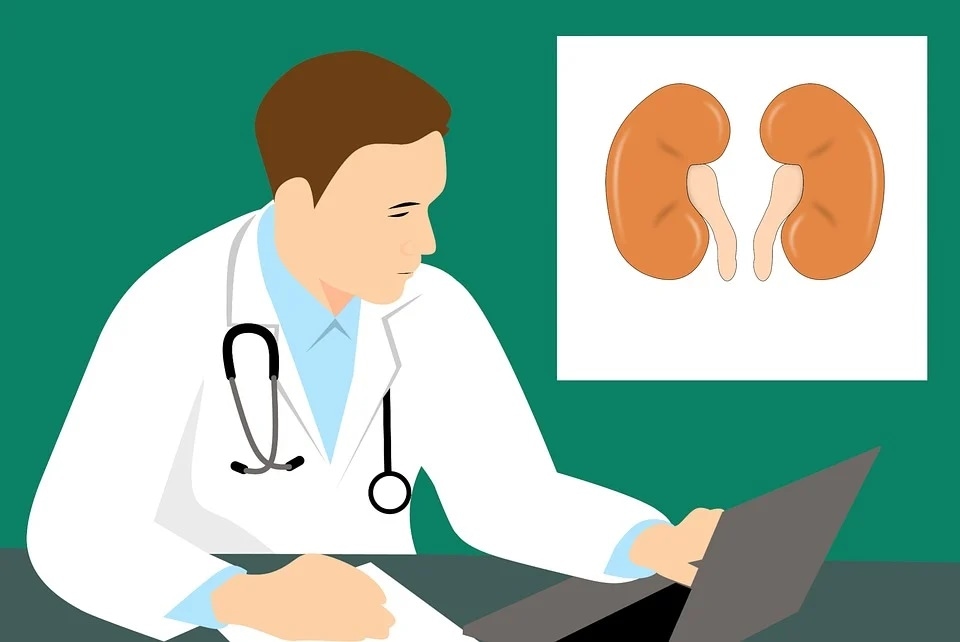
World Cancer Day: Kidney cancer does not cause pain until the advanced stages when it has started to spread. All you want to know about its warning signs.
Kidneys are a pair of bean-shaped organs located on either side of the backbone and under the rib cage. Like other internal organs, they too play a cruical role, in removing waste and extra fluid from your body. They maintain healthy balance of water, salts, and minerals such as sodium, calcium, phosphorus, and potassium in your blood. Kidneys also play a key role in controlling your blood pressure and keeping your bones and blood healthy.
Kidney cancers are not easily diagnosed as most of them do not cause any symptoms and are usually found in scans, X-ray or ultrasounds that were ordered for some other problem.
Dr. G Vamshi Krishna Reddy Director - Oncology Services, Consultant Medical Oncologist & Hemato Oncologist Yashoda Hospitals Hyderabad shared with HT Digital early signs of kidney cancer that should not be ignored.
ALSO READ: World Cancer Day: How to know if it's Covid-19 or lung cancer
What is kidney cancer?
Kidney cancer is a type of cancer that starts from the cells of the kidney. The cancerous cells divide grow out of control and create a tumor.
"When kidney cancer does cause symptoms these can be non-specific, that is, many of the symptoms that kidney cancer might cause can be mistakenly attributed to other causes, like a urine infection or a muscle twinge," says Dr Reddy.
This is the reason kidney cancers are not diagnosed at early stages.
"Mostly kidney cancer does not cause pain until the advanced stages when it has started to spread. Many people with kidney cancer are not aware they have a tumor until they have a test for another health problem," he adds.
Here are some signs and symptoms of kidney cancer you should not ignore:
* Blood in the urine
* The most common symptom and even the slightest tinge of red is a sign there is something not right with the kidney.
* Abdominal lump or mass. This can be in the abdominal region - front or back, and feels like a hard, dense bulge under the skin.
* Lower back, abdominal or flank pain
* Loss of appetite and sudden weight loss
* Newly developed high blood pressure
* Constant tiredness
* Fever or night sweats which are not linked with any other conditions


