
Is poha good for weight loss? A nutritionist explains the best way to eat poha without gaining calories
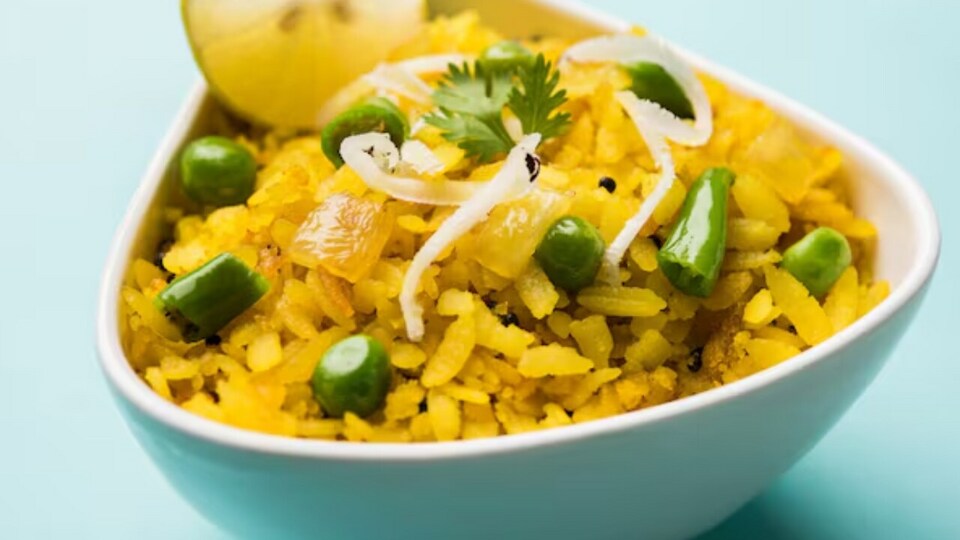
Poha, or flattened rice, is a popular Indian breakfast option that is light, quick to prepare, and plays an effective role in a weight-loss journey.
Poha is one of the more versatile breakfast options, as it can be prepared in a variety of ways. However, if you are trying to lose weight, you may wonder whether poha is actually good for weight loss, or is it just another carb-heavy meal? The answer depends on how you eat it and what you serve it with, says a nutritionist.
Ishika Narang is a Multimedia Writer at the Hindustan Times, with over three years of experience in digital journalism, specialising in health, lifestyle, beauty, and consumer-focused reporting. Her primary coverage areas include evidence-based health journalism, preventive care, wellness trends, and affiliate-driven consumer guides tailored for digital audiences. She began her professional journey in digital media, where she developed expertise in multimedia storytelling and platform-optimised editorial strategies. Over the years, she has worked with reputed organisations such as Park+, Jagran, and Wavel.ai, steadily building credibility in health and consumer journalism. Her work reflects a strong progression in editorial responsibility, combining research-backed reporting with audience-focused content formats. At Hindustan Times, she produces in-depth health and lifestyle features, expert-led explainers, and data-informed consumer stories. She also focuses extensively on affiliate articles, creating well-researched buying guides, product comparisons, and recommendation-based content that balances commercial intent with editorial integrity. Alongside writing, she conceptualises and manages social media storytelling, ensuring content is informative, engaging, and optimised for platform-specific consumption. Her subject expertise includes preventive healthcare, nutrition, supplements, women’s health, beauty trends, consumer awareness, and affiliate commerce content. She integrates expert consultations, peer-reviewed research, verified product analysis, and transparent sourcing. Her strengths lie in evidence-based storytelling, simplifying complex information, and producing reader-first affiliate content that prioritises trust and value. Ishika holds a Bachelor of Commerce (B.Com) in Marketing from Guru Gobind Indraprastha University, which enhances her understanding of consumer behaviour, digital commerce, and audience engagement, skills that complement her specialisation in consumer and affiliate journalism. She is committed to ethical reporting, transparent affiliate disclosures, rigorous fact-checking, and maintaining editorial credibility, ensuring every story upholds reader trust and journalistic standards.
Read moreRead less
Dr Karuna Chaturvedi, Head of clinical nutrition department at Max Super Specialty Hospital, tells Health Shots: "Poha, or flattened rice, is a light, easily digestible breakfast option that can align well with weight-loss goals when consumed mindfully. Its relatively low calorie density allows for a satisfying portion without excessive energy intake."
Can poha support weight loss?
Poha is primarily made up of complex carbohydrates, which provide consistent glucose release and help prevent mid-morning energy crashes. Furthermore, its low fat content and mild flavor make it easy on the digestive system, reducing bloating and heaviness.
Poha contains mild fiber, but when prepared with nuts and vegetables, they boost its fiber content. Fiber is strongly linked to offering better weight regulation by reducing the appetite, says PubMed Central.
Nutritional value of poha:
As per the nutritionist, the nutritional value of poha depends heavily on its preparation. Using minimal oil, preferably cold-pressed or vegetable oil in controlled quantities, is essential if you are on a weight loss journey. Incorporating vegetables such as peas, carrots, onions, French beans, tomatoes, and capsicum increases fiber content, promoting satiety and improved gut health. Adding a protein element, such as roasted peanuts in moderation or a side of curd, can further stabilize blood sugar levels. Avoiding excess sugar, coconut, or fried garnishes ensures the dish remains metabolically efficient.
What's the best time to eat poha for weight loss?
Poha is most effective for weight loss when consumed in the morning, particularly as a breakfast meal. At this time, insulin sensitivity is higher, allowing the body to utilise carbohydrates more efficiently for energy rather than fat storage. Eating poha early in the day also supports sustained physical and cognitive performance, reducing the likelihood of unhealthy snacking later, says the nutritionist.
Healthy poha recipes
Sprouts and Legumes poha
As per The American Journal of Clinical Nutrition, higher protein breakfasts improve appetite control and reduce subsequent calorie intake.
Healthy preparation:
- Add boiled moong sprouts/chana.
- Keep peanuts minimal
- Combine with vegetables
2. Vegetable Poha (High-Fibre, Low-Energy)
Studies in The American Journal of Clinical Nutrition and Nutrients show that high-vegetable, fiber-rich meals lower energy density and improve satiety.
Healthy preparation:
- Minimal oil (≤1 tsp)
- Add carrots, beans, peas, capsicum
- Avoid potatoes
- Finish with lemon
3. Red Rice Poha with Seeds
Whole grains are linked with better insulin sensitivity and weight regulation, as per The Journal of Nutrition and BMJ reviews.
Healthy preparation:
- Use red rice or thick poha
- Add flaxseed or chia seeds
- Pair with vegetables
Poha vs other breakfast options
According to Deepali Sharma, a clinical nutritionist at CK Birla Hospital, compared to parathas, puris, white bread, or sugary cereals, poha is a lighter and healthier option for weight loss. It is less oily, easier to digest, and contains fewer refined fats. When compared to oats or upma, poha provides similar energy but is gentler on the stomach, making it appropriate for people with digestive sensitivity. However, for effective weight loss, poha should always be combined with vegetables and protein, as plain poha may not keep you satisfied for long.
(Note to readers: This article is for informational purposes only and not a substitute for professional medical advice. Always seek the advice of your doctor with any questions about a medical condition.)
ABOUT THE AUTHORIshika NarangIshika Narang is a Multimedia Writer at the Hindustan Times, with over three years of experience in digital journalism, specialising in health, lifestyle, beauty, and consumer-focused reporting. Her primary coverage areas include evidence-based health journalism, preventive care, wellness trends, and affiliate-driven consumer guides tailored for digital audiences. She began her professional journey in digital media, where she developed expertise in multimedia storytelling and platform-optimised editorial strategies. Over the years, she has worked with reputed organisations such as Park+, Jagran, and Wavel.ai, steadily building credibility in health and consumer journalism. Her work reflects a strong progression in editorial responsibility, combining research-backed reporting with audience-focused content formats. At Hindustan Times, she produces in-depth health and lifestyle features, expert-led explainers, and data-informed consumer stories. She also focuses extensively on affiliate articles, creating well-researched buying guides, product comparisons, and recommendation-based content that balances commercial intent with editorial integrity. Alongside writing, she conceptualises and manages social media storytelling, ensuring content is informative, engaging, and optimised for platform-specific consumption. Her subject expertise includes preventive healthcare, nutrition, supplements, women’s health, beauty trends, consumer awareness, and affiliate commerce content. She integrates expert consultations, peer-reviewed research, verified product analysis, and transparent sourcing. Her strengths lie in evidence-based storytelling, simplifying complex information, and producing reader-first affiliate content that prioritises trust and value. Ishika holds a Bachelor of Commerce (B.Com) in Marketing from Guru Gobind Indraprastha University, which enhances her understanding of consumer behaviour, digital commerce, and audience engagement, skills that complement her specialisation in consumer and affiliate journalism. She is committed to ethical reporting, transparent affiliate disclosures, rigorous fact-checking, and maintaining editorial credibility, ensuring every story upholds reader trust and journalistic standards.Read More

E-Paper


