
 E-Paper



What happens to your stomach when you chew cardamom or elaichi after every meal? Doctor explains benefits for digestion
From reducing bloating and acidity to refreshing your breath, chewing cardamom after meals is a simple habit that supports better digestion and oral hygiene.

 Prefer HTon Google


With its aromatic fragrance and role as a key ingredient in both sweet and savory dishes, cardamom is rightly called the ‘Queen of Spices’. Many people also chew elaichi after meals - a simple yet powerful habit that may support digestion and oral hygiene. According to the Research Journal of Pharmacy and Technology, cardamom’s natural antimicrobial properties help make your breath fresher.
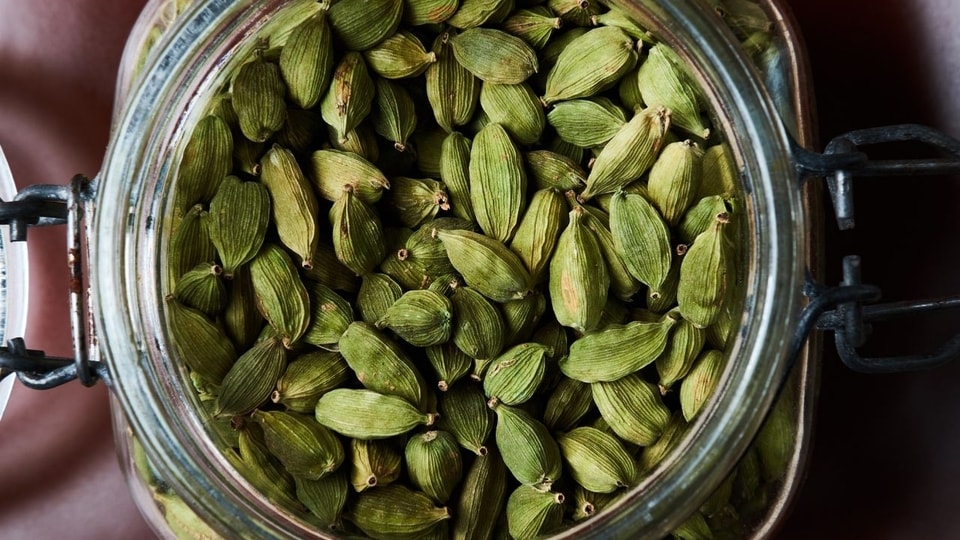

Benefits of chewing cardamom after meal
"Cineole, limonene, terpinene, and flavonoids are some of the active compounds found in cardamom. These compounds help in reducing inflammation, improving digestion, freshening breath, and supporting heart and metabolic health," Dr Manjusha Agarwal, Senior Consultant in Internal Medicine at Gleneagles Hospital, tells Health Shots.
Activates digestive enzymes
As per studies published by PubMed, chewing cardamom after a meal stimulates pancreatic enzymes like lipase, amylase, and proteases. In some cases, intestinal mucosal enzymes were stimulated, which helps in the breakdown of food.
Reduces gas, bloating, and indigestion
As per Science Gate, Cardamom acts as a carminative and anti-flatulence agent, helping to relieve bloating, gas, and abdominal discomfort.
Eases heartburn
Cardamom has compounds like 1,8-cineole (also called cineole), α-pinene, sabinene, limonene, and terpineol, which show anti-inflammatory and antioxidant effects. 1,8-cineole shows gastroprotective effects, according to PMC. As per SAGE Journal, all together these compounds may help calm inflammation in the stomach lining—reducing irritation that can exacerbate acid reflux or heartburn.
How does chewing cardamom help with improving breath after a meal?
Long-lasting freshness
The presence of numerous bioactive compounds in cardamom imparts a pleasant aroma, and chewing the seeds can help alleviate bad breath.
Improves saliva production
Dry mouth is one of the real culprits behind the bad odor of the mouth. Chewing cardamom stimulates salivary flow combined with the fibrous pod, which helps in mechanical cleansing of the teeth, says PubMed Central.
How to chew cardamom after meals?
- Choose green cardamom pods, as they are more aromatic and medicinal.
- Crack the pod gently with your teeth and chew the seeds inside.
- Allow the flavour to release slowly; there’s no need to swallow the husk.
- Chew 1 to 2 pods after meals, but avoid excess because of its warming nature.
How much cardamom to chew?
Even though cardamom is known to have many health benefits, it is important to chew only 1 cardamom after a meal, as per the doctor’s advice. It is due to likely risk factors such as skin rashes, itching in the mouth and cough.
Dr Agarwal warns that consuming large amounts of cardamom or taking it frequently may cause stomach discomfort. People with gallstones should be cautious, as cardamom can increase bile flow and trigger pain. Pregnant and breastfeeding women should avoid excessive use, and those on anticoagulant or liver medications should also exercise care. Experts recommend consuming cardamom only once in every 15 to 20 days rather than daily. Always prioritize your health and follow the expert’s guidance.
Frequently asked questions (FAQs)
What are the main benefits of chewing cardamom after meals?
Cardamom benefits include improving digestion and reducing bloating and bad odor from the mouth.
How does it help with digestion?
Cardamom has active compounds such as cineole, limonene, terpinene, and flavonoids, which improve digestion.
Are there any side effects of chewing cardamom?
Excess of cardamom can lead to rashes and irritation inside the mouth. Individuals with gallstones should be cautious, as cardamom can trigger pain by increasing bile flow.
(Note to readers: This article is for informational purposes only and not a substitute for professional medical advice. Always seek the advice of your doctor with any questions about a medical condition.)


