
 E-Paper



Lok Sabha Elections: 442 ‘election classes’ in Lucknow district to boost poll percentage, awareness
Lok Sabha Elections 2019: Despite having two Lok Sabha constituencies –Lucknow and Mohanlalganj--the state capital has not fared well in terms of voting percentage in the previous general elections. In the last four assembly elections, the voting percentage crossed 50% mark only once and has yet to break the 60% mark.


In order to spread awareness about the election process, the Lucknow district administration will organise ‘election classes’ at 442 places across the district, on Tuesday.
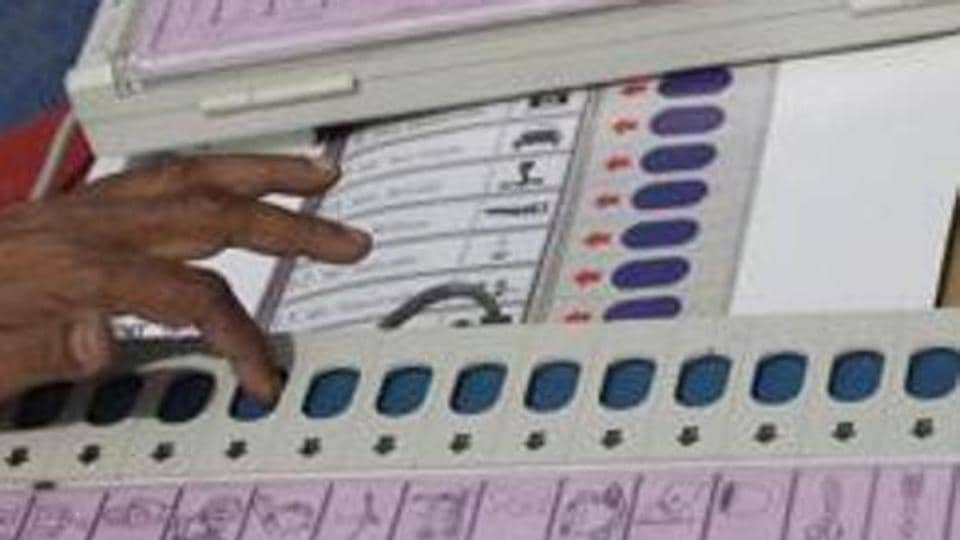
As per an order issued by the district magistrate, the participants will be made aware about elections, their importance and they will be urged to motivate people to participate in the poll process.
“We are calling this exercise ‘Chunavi pathshala’ (election class). All government officials are expected to attend these classes to be held at several government offices and schools from 10 am to 2 pm on Tuesday. These classes will be conducted by experts from election commission. The exercise is aimed at ensuring free and fair elections,” said Manish Bansal, nodal election officer, Lucknow.
“All village heads, counsellors, municipality chairman, principals, assistant teachers, aganwadi workers, Asha workers, women of self help groups, employees, secretaries of village panchayats, lekhpals and block level officers (BLOs) have been asked to attend these classes,” he said.
According to official estimates, the number of participants will go above 15,000. Besides awareness, the participants will be provided posters and other advertising material regarding the Lok Sabha election.
Despite having two important constituencies –Lucknow and Mohanlalganj--the state capital has not fared well in terms of voting percentage in the previous general elections. In the last four assembly elections, the voting percentage crossed 50% mark only once and has yet to break the 60% mark.
In the previous general election, the district recorded a voting percentage of 53%. In 2005 and 2009 elections, the voting percentage remained at an abysmal 35 % mark. This was a considerable decrease from 48% voting percentage in 1999.
The district administration is planning to change his aberration by conducting exercises like ‘election class.’
Also Read | Lok Sabha election 2019: Here is all you need to know about Uttar Pradesh


