
 E-Paper



‘Remove waste from Gomti banks within 3 days’: Monitoring Committee
The Monitoring Committee also directed the LMC to treat all waste collected in Ghaila village through bioremediation which was a purely scientific method.


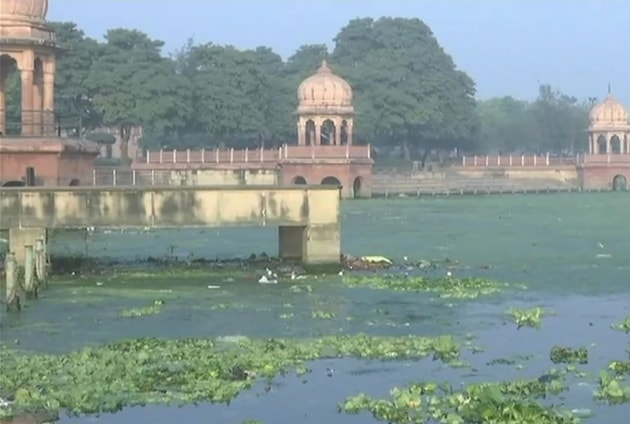
The UP Solid Waste Management Monitoring Committee (constituted by the orders of the National Green Tribunal) has directed the Lucknow Municipal Corporation to remove solid and biomedical waste dumped on the banks of river Gomti within three days. The order was given by Justice DP Singh who heads the committee and Justice Rajendra Singh who is a member of the committee.
The Monitoring Committee also directed the LMC to treat all waste collected in Ghaila village through bioremediation which was a purely scientific method.
To note, HT had highlighted the problem of Ghaila residents who opposed the dumping of waste in their village. It is said that the LMC has dumped more than 20 lakh metric tonnes of garbage Ghaila.
Justice Rajendra Singh said, “Bioremediation is a process used to treat contaminated solid waste area, including water, soil and subsurface material, by altering environmental conditions to stimulate growth of micro-organisms and degrade the target pollutants.” He said,” We have directed LMC about this process because bioremediation is less expensive and more sustainable than other remediation alternatives. The LMC has already spoiled of Ghaila but now it has to undertake scientific biological treatment of the area for future generations.”


