E-Paper



UP falls short of GST mop-up target other revenue departments too falter
Contrary to initial expectations and estimates, Uttar Pradesh appears to have faltered on Goods and Services Tax revenue realisation in the first year of introduction of the new tax regime, data available with the commercial tax department shows. Tax growth over the previous year also has been poor.

 Prefer HTon Google


Contrary to initial expectations and estimates, Uttar Pradesh appears to have faltered on Goods and Services Tax (GST) revenue realisation in the first year of introduction of the new tax regime, data available with the commercial tax department shows. Tax growth over the previous year also has been poor.
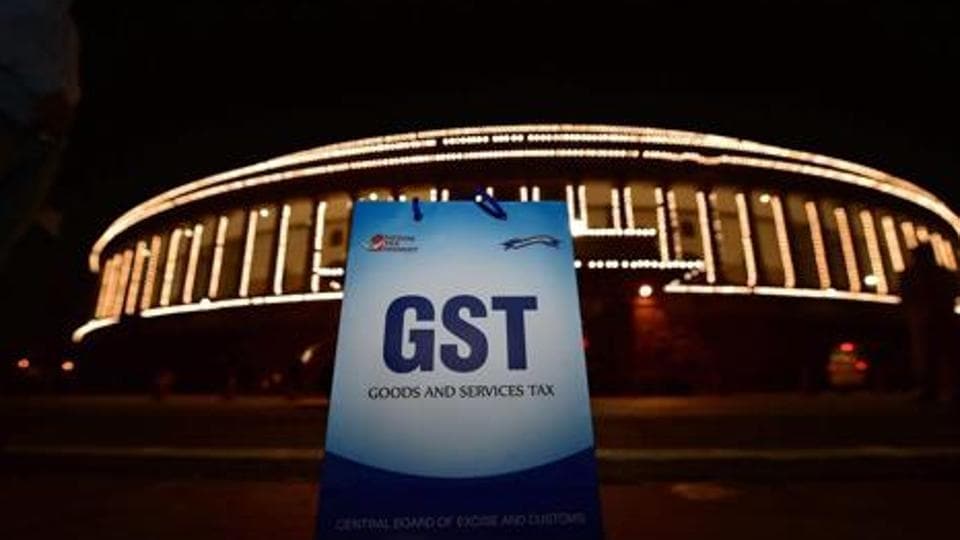
The GST collection details available with the commercial tax department here shows that the state exchequer received Rs 58,726 crore revenue from GST against the Rs 65,000 crore target during the financial year 2017-18 that ended on March 31.
The achievement is nearly 90% of the target but the tax growth during the whole year vis-à-vis the previous year was 13.30%.
The data further revealed that GST growth rate between August 2017 and March 2018 was even lower at 11.03%.
“The GST came into effect in the country from July 1. Till July, the (pre-GST) growth rate was slightly higher, that is, 15.86% but started sliding thereafter much against the guess,” said a senior commercial tax official.
Two other major tax collection departments have also faltered on revenue targets in a bigger way despite achieving a higher growth vis a vis the previous year.
The excise department, the state’s second largest revenue earning department, also fell short of meeting the target. However, it achieved a higher tax growth vis a vis the previous year. The government received Rs 17,320 crore revenue from the excise department against the Rs 20,595 target.
“Though we could achieve only 84.8% of the target during 2017-18, the revenue growth over the 2016-17 was as high as 21%, which is the highest ever in recent decades,” an excise department official said.
The stamp and registration department, the third largest revenue earning department, ended up achieving only 77% of the target by collecting Rs 13,439 crore against the target of Rs 17,458 crore.
But the department registered a relatively better growth of 15.7% over the previous year. The growth rate had fallen to -6% the previous year due to a slump in real estate after demonetisation.
The transport department, the third largest source of revenue, was found to have done pretty well by achieving 99.21% of the target. It collected Rs 6,349 crore tax from various sources against the mid-term increased target of Rs 6,400 crore. The growth was 16% over the previous year. The hike effected by the Central government in various fees is said to have significantly contributed to the transport revenue.
Around 60% of the total government revenue comes from GST alone. Therefore, not getting GST revenue on the expected lines is being viewed with concern.
“The GST is our major source of income considering the fact that of the total around 1 lakh crore revenue, around 58,000 crore has come from this source alone, “ principal secretary, finance, Sanjiv Mittal said.
“We have raised the GST target to Rs 71,000 crore for the current financial year,” he said.
“The overall revenue realisation by major tax departments cannot be said to be satisfactory since there are revenue shortfalls,” Mittal said.
The state government had expected the GST regime to bring more revenue to the exchequer on account of the GST being a destination-based tax and UP being a consumer state.
“We faced many glitches in the introductory year, but hope to do better this year,” another commercial tax official said.