E-Paper



Varanasi’s air most polluted in state, says UP Pollution Control Board report
Air pollution in Varanasi, the parliamentary constituency of Prime Minister Narendra Modi, is the highest in Uttar Pradesh.

 Prefer HTon Google


Air pollution in Varanasi, the parliamentary constituency of Prime Minister Narendra Modi, is the highest in Uttar Pradesh, according to the latest report of the UP Pollution Control Board (UPPCB).
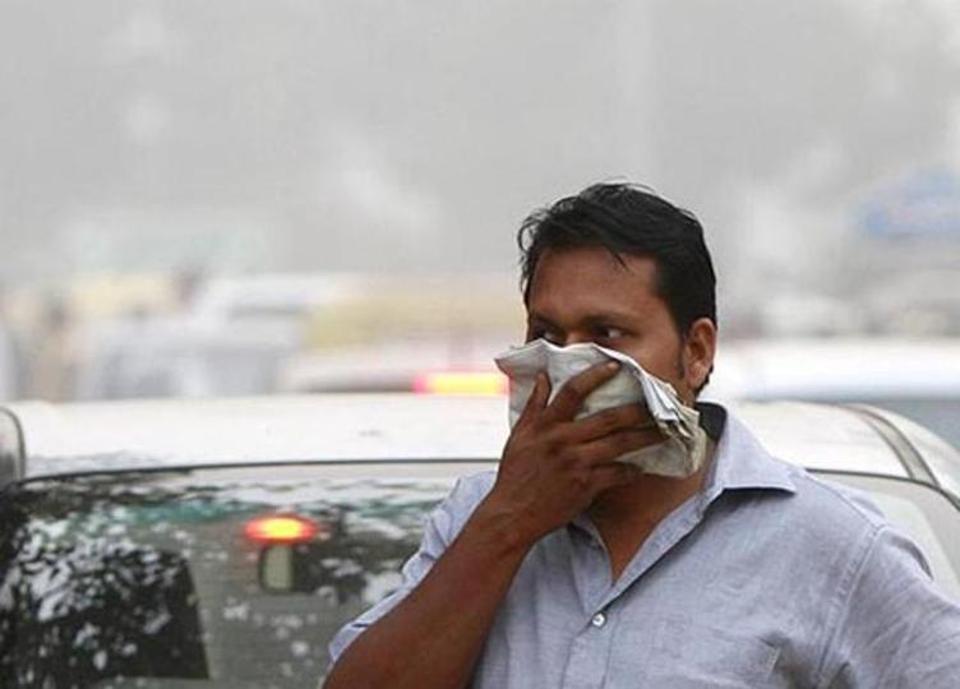
The city has the highest pollution level of PM 10 (particulate matter 10) in the state.
With Diwali round the corner, the level of air pollution is set to rise due to bursting of firecrackers.
Regional officer of UPPCB, Allahabad region, SK Mishra said vehicular exhausts and excessive presence of dust in the air were major contributors to pollution.
Against the maximum permissible limit of 100 microgram/cubic metre of suspended particulate matter (PM 10) in the air, Varanasi recorded highest values in the state.
In August 2017, the level of PM 10 was recorded at 289.28 mg/cubic metre in Chandpur area, 270.09 mg/cubic metre in Saket Nagar and 229.6 mg/cubic metre at the Banaras Hindu University (BHU).
The fourth highest level of PM 10 was recorded at 219 mg/cubic metre in Budhwa Bazaar, Moradabad, followed by 203 mg/cubic metre in Khurja, Bulandshahr.
Lucknow figured on the sixth spot with Hazratganj area recording 193.9 mg/cubic metre.
Localities of industrial town Kanpur were on the next three spots recording alarming levels of pollutants in the air.
According to UPPCB records, the pollutant level of 193.22 mg/cubic metre was recorded in Panki, 191.74 mg/cubic metre in Shastri Nagar and 184.99 mg/cubic metre at Jarib Chowk in Kanpur.
Allahabad’s Katra locality was on the 10th spot with PM 10 level of 183 mg/cubic metre.
As per UPPCB norms, the PM 10 level of below 50 microgram/cubic metre has minimal impact on human health while a level of 51-100 microgram/cubic metre may cause minor breathing discomfort to sensitive people.
The PM 10 level of 101-200 microgram/cubic metre may result in breathing discomfort to people with lung and heart disease, children and older adults and the level of 201-300 microgram/cubic metre may cause breathing discomfort on prolonged exposure.