
 E-Paper



Chef Tim Dornon wants you to ditch store-bought sauce for the real stuff

 Prefer HTon Google


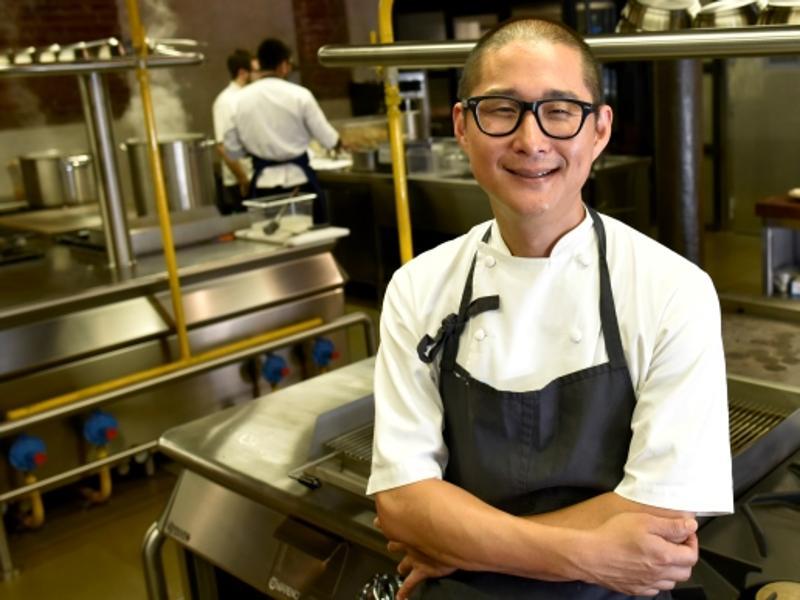
Chef Tim Dornon has cooked at the third-best restaurant in the world. And he’s urging pro and home chefs to abandon packaged sauces for the real deal
Chef Tim Dornon has cooked at the third-best restaurant in the world. And he’s urging pro and home chefs to abandon packaged sauces for the real deal.
We are at Magazine Street Kitchen (MSK), the newly opened experimental space in Byculla. Though the kitchen is in full swing (prepping for three fully booked dinners and two cooking workshops), there’s a zen-like calm in the industrial space.
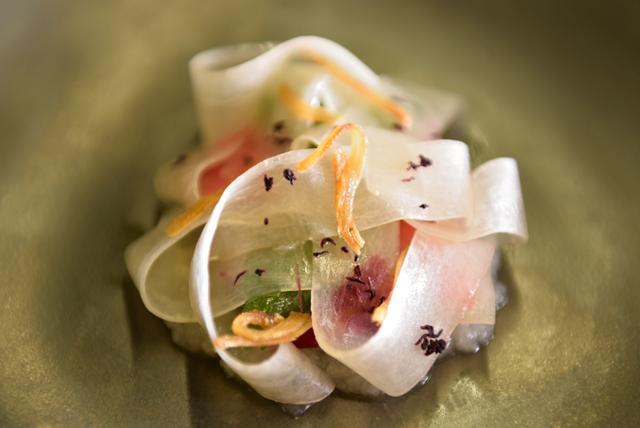
In one corner, American chef Tim Dornon (39) is quietly assembling his star dish — textures of radish — for our camera. With a set of tweezers, he carefully places pickled icicle radish and roasted radish on the fish. He then tops it with grated daikon radish (a mild-flavoured winter variety) to finish the dish. It looks like precision on a plate, a quality Dornon has mastered over the years at various illustrious kitchens. “While working with culinary giants such as Laurent Gras and Daniel Boulud, I learnt that chefs don’t have to be messy, overweight and sweaty. They can be clean and organised too,” he says.
Also read: ‘Business cannot come before our kids’, says Jamie Oliver
An ex-Eleven Madison Park (New York; the third-best restaurant in the world, according to theworlds50best.com) chef, Dornon was in the city for a weekend-only underground dinner at MSK as part of its Guest Chef Series.
Depth of flavour
Dornon, who has worked in prestigious kitchens such as Qui of Top Chef (American TV show) winner Paul Qui and Daniel, is passionate about reviving the art of sauce-making. For his sauce-making workshops, Dornon focuses on creating several layers of taste. “Over the years, sauces have lost depth. The way the food preferences have shifted, especially in the US, sauces are now used for mere presentation,” he says. At the same time, sauces lost their relevance over a period of time as people rely more on convenient foods, pre-mixes and packaged foods.
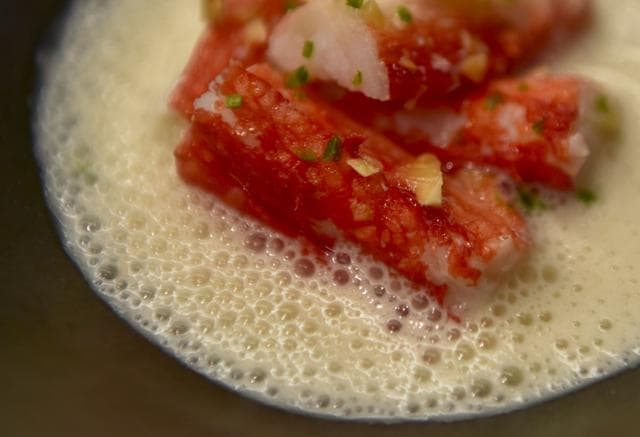
To make a good sauce, a solid base of flavours is important. “You can then do different variations on the same — thicken the base, or leave it as a broth, or add scented oils,” he says. For instance, a chicken base consommé can be further reduced to turn into chicken jus. “One of the reasons people have strayed away from sauces is because there is no versatility left. The sauces I experiment with are lighter and more contemporary and the flavours can be unlimited,” says Dornon. According to him, a great sauce can turn even an overcooked piece of fish (almost inedible) into something delicious.
During his visit, Dornon made it a point to visit city-based popular eateries such as Trishna and Chetna (both in Kala Ghoda) for their authentic regional fare. “I love Indian food. I was blown away by ker sangri and dhokla (at Chetna). I could eat dhokla as a snack at any time of the day,” says the Korean-born chef. A surfing enthusiast, Dornon also wants to check out some of the city’s beaches. “I want to go to the beach, even if it’s raining. It’s for the sound and the smell of the sea,” he adds.
Recipe for Dashi (a Japanese sauce)
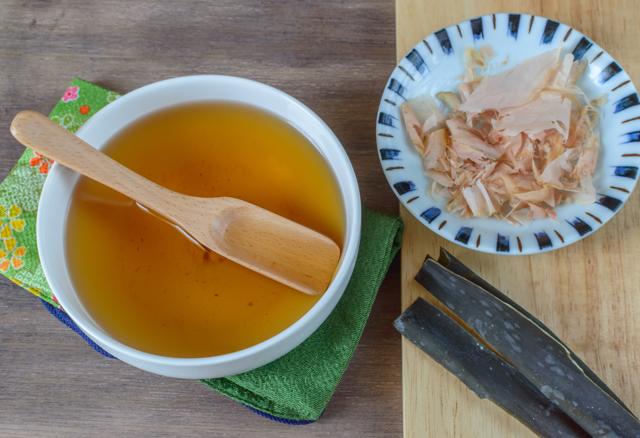
Ingredients
Water: 1,000ml
Ma Kombu: 30g
Bonito flakes: 60g
Method
Wash kombu under running water.
Soak the kombu in the water and set aside for 12 hours.
Strain and pour into a sauce pot. Bring up to 85 degree Celsius and remove from the heat.
Add the bonito flakes, allowing bonito flakes to sink to the bottom of the pot. Strain into a coffee filter. Let it cool down over ice.
Variation 1: Seasoned dashi (Vegetarian)
Ingredients
Dashi: 500g
Kaffir lime juice: ½ tbsp
Dark soy sauce: ½ tbsp
Sea salt to taste
Variation 2: Chawanmushi (Non-vegetarian)
Ingredients:
Dashi: 480ml
Whole eggs: 3
White/dark soy sauce: 1.5 tbsp
Cooked shiitake mushrooms: 2 tbsp
Sliced green onion or Mitsuba: 1 tbsp
Sea salt to taste
Method
In a large bowl, mix eggs, dashi, salt, and soy sauce together, making sure to not mix it too much. There should be no bubbles or froth at the top of the base. Strain the egg mixture through a sieve. Pass all of the egg/dashi through the chinois. Set your steamer at 90˚C with low fan.
Fill ¾ of a ramekin with a plastic wrap on top. Place the ramekin in the steamer and check after 12 minutes. To check, gently shake the cooked ramekin looking at the center. If the center is not of custard consistency, cook for three more minutes. Once cooked, garnish with the sliced green onion.


