E-Paper



Fresh catch: How to get the most out of a farmers’ market


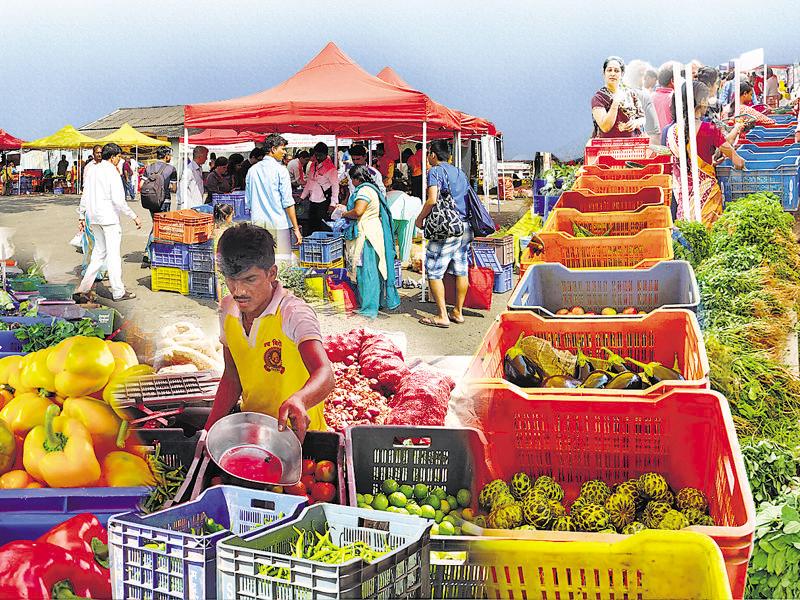
Farmers’ markets are bringing buyers and growers closer like never before. With several new ones coming up in the city, here’s you’re guide to getting the freshest, fairest deal
The pumpkins are heavy, the carrots glow a bright coral and the plump Bhavnagari chillies are warm from the sun. But the brightest thing in the new farmers’ market, set up near Vidhan Bhavan in Nariman Point every Sunday, isn’t the produce. It’s the expressions on the faces of the farmers as they meet their customers, learns what they like and get to keep every rupee they make.
About 20 stalls have been selling fruit and vegetables here since August. They’ve proven so popular that the state government plans to roll out 100 more across Thane and Mumbai.
For you and me, this is great news. It cuts out the middleman and lets you connect with those who grow your food.
But it also brings with it confusion. Mumbai has been hosting weekly farmers’ markets since nutritionist Kavita Mukhi started hers in March 2010. Smaller specialised bazaars have sold everything from indigenous white brinjals and black rice to exotic bacon jam and artisanal cheeses. No two initiatives are alike and now there might be one at your doorstep. Here’s what to keep in mind when you visit...
No, everything is not organic: Some, like Kavita Mukhi’s weekly market, are strictly for organic produce; many others aren’t. The government farmers’ markets, for instance, are meant as fair-trade initiatives. Karen Anand’s markets focus more on boutique producers.
“If you’re unsure, ask the seller, who should be able to able to display his organic certification or tell you where the food comes from,” Mukhi says. “Either way, steer clear of any bazaar that is making an urban person rich at the cost of a rural grower.”
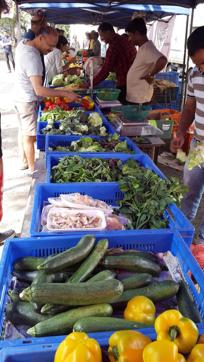
Bargaining is bad form: “Many people expect a farmer’s market to cost less than their usual bazaar,” says Neelima Baja Swamy, who runs an organic farm near Kamshet and sells directly to Mumbai and Pune homes. “But they tend to be at par with or slightly higher than the regular rates.”
To understand why, keep in mind that the average fruit or vegetable is already about five days old when it gets to you, having seen an 80% jump in its original price as it passed between an average of seven middlemen.
At a farmer’s market, you’re paying for fruits and vegetables that are fresh, brought to you directly, in small lots by growers who must bear the cost of the transport themselves. Khanderao Mahapari, who heads a collective of 11 farmers from Nashik, brings their yields to the Vidhan Bhavan and Lalbaug farmer’s markets by the morning after they are harvested.
“Prices will also fluctuate, because they depend directly on the harvest,” Mahapari says. “So please stop haggling over five and ten rupees.”

But keep the questions coming: Farmers can tell you which brinjals are more fibrous and better suited for roasting. They’ll explain that tomatoes that are orange and not red are more flavourful because they weren’t artificially ripened. That the gourds are bigger because they were allowed to grow completely instead of being harvested early for a long wait with the middlemen.
“You should be able to taste that difference and then you can establish a trust and a bond with the farmer,” says Swamy.
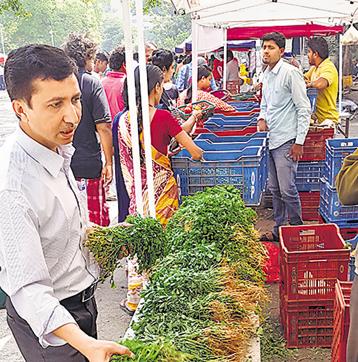
Ask and you shall receive: Mukhi believes that bonding is the best way for farmers to grow you exactly what you want and create a sustainable business model for themselves.
Sustained patronage will strengthen the grower-buyer ecosystem, encouraging farmers to grow seasonal produce and deliver food that your family prefers, Swamy adds. “Farmers typically grow vegetables separately for themselves, with fewer chemicals and artificial methods. Get them to treat your food like they would treat theirs.”
Read: Organic food is getting popular with more urban consumers
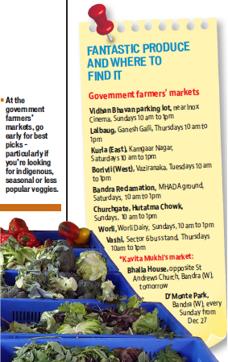
Early or late, it’s all good: At the government farmers’ markets, go early for the best picks – particularly if you’re looking for indigenous, seasonal or less popular veggies. Snow peas, purple yams, red guavas, radish pods, amaranth leaves and dill sell out faster than, say, cabbage or pumpkin. And go late for the best prices. “Farmers have no access to storage, so they need to clear out their stock by closing time and will offer you a good deal then,” Mahapari says. At most markets, regulars can also phone ahead and reserve portions to beat the rush.