
 E-Paper



ACB looks to deliver more convictions
The ACB’s conviction rate in 2016 is 23%; of the 487 cases that went to trial, 371 resulted in acquittals and only 116 in convictions. Worse still, the ACB’s conviction rate in Mumbai is a paltry 3%.


The Maharashtra anti-corruption bureau (ACB), under pressure to improve its conviction rate, will soon implement a slew of measures aimed at achieving this. The ACB’s conviction rate in 2016 is 23%; of the 487 cases that went to trial, 371 resulted in acquittals and only 116 in convictions. Worse still, the ACB’s conviction rate in Mumbai is a paltry 3%.
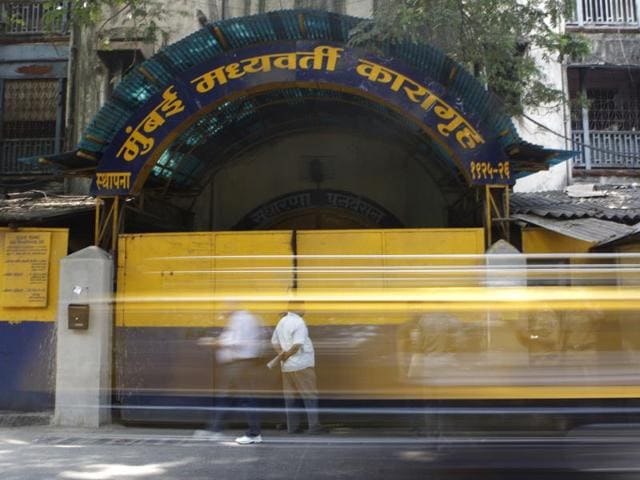
Vivek Phansalkar, additional director general of police, Maharashtra ACB, confirmed that all eight ranges of the bureau — in Mumbai, Thane, Pune, Nashik, Nagpur, Amravati, Aurangabad and Nanded – are chalking out an action plan to improve the conviction rate, which they will submit to him. The Mumbai ACB, which has the worst conviction rate of all eight ranges, has already submitted its list of measures.
Phansalkar told HT, “It is a matter of serious concern. For us, it is a top priority.”
A senior ACB officer, who did not wish to be named, said, “We are training our officers on how to make a watertight case and improve the conviction rate. We are also taking help from legal experts for this. All our officials have been told to read all court orders and find out why the accused were acquitted.”
Some officers rued that in some cases, the accused are let off on technicalities or because certain pieces of evidence, such as audio recordings, are not considered evidence.
The officer added, “Another issue is the use of the same panchas (witnesses) in many cases. They are termed habitual witnesses. Then there is the issue of judges or the defence questioning the qualification and competency of investigating officers, including those from forensic labs. Also, most cases that remain pending for a long time in court end in acquittals.”
Top reasons for low conviction rate
Variations in the statements given by the complainant to the ACB at the time of filing an FIR and the one given in the court. An accused stands to benefit if these statements mismatch
An illiterate complainant ends up giving a statement that doesn’t match the one given while lodging a complaint. This mostly happens during cross-questioning by the defence
Failure to prove that the accused demanded bribe
The complainant loses interest or turns hostile
Improper execution of the sanction from government authority concerned
Failure of the ACB to prove that assets were amassed illegally in cases pertaining disproportionate assets
Unable to prove that public servants misused their position
Prosecution’s failure to nail the accused in cases where only complaints are filed without nabbing the accused red-handed and the complainant is unable to state his accusation clearly
*Above reasons were mentioned in the reply by the ACB to an RTI query field by HT
Stay updated with all the Breaking News and Latest News from Mumbai. Click here for comprehensive coverage of top Cities including Bengaluru, Delhi, Hyderabad, and more across India along with Stay informed on the latest happenings in World News.


