
 E-Paper



Changing the face of the transport system in Mumbai
The crux is that Mumbai’s transport needs and demands have kept changing; its transport systems and options have not, thanks to what passes for urban planning.


Who amongst us has not wondered at the sudden exponential rise of two-wheelers on Mumbai’s streets in recent years? Well, official data tells us that there are now nearly two million two-wheelers on the city’s roads, a staggering rise of more than 58% in the last five to six years, which makes it an average of 975 two-wheelers for every kilometre.
This rise has brought a host of issues such as rash and reckless riding, driving in the wrong direction, jumping signals, bike races and other violations. Road accidents involving two-wheelers have increased too.
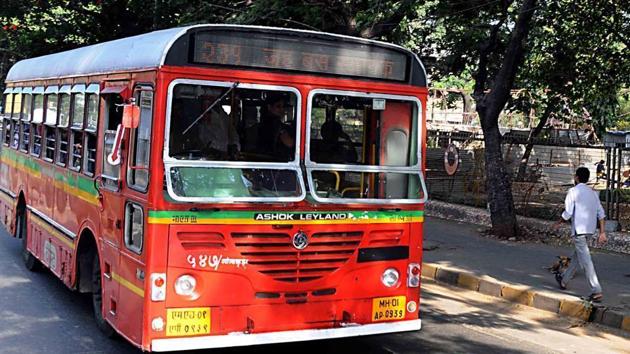
In about a decade, the number of Mumbaiites using the BEST bus system has declined from 4.2 million to under 3 million, and almost all of the transport undertaking’s 500-plus routes have run into losses. Is there a co-relation? Perhaps, yes. Should the shift towards two-wheelers have been anticipated and planned for? Yes, indeed.
Similarly, the pattern of commuter movement on Mumbai’s famed suburban rail network has been changing over the last decade. Once a strictly north-south linear movement, commuters have been thronging railway stations not known to carry the city’s professional workforce. The older business districts in south Mumbai – Fort, Nariman Point, Ballard Estate – are now less crowded than they used to be at the start of this century.
The city sports new business districts that rival the old at Parel, Bandra-Kurla complex, Andheri, and Malad. The pattern of footfalls shows that these stations are as busy and crowded at peak hours as say Churchgate and Chhatrapati Shivaji Maharaj Terminus used to be. Again, was this planned for, budgeted for? Were the carrying capacities of say Parel, Kurla, Andheri increased or feeder routes from these stations to office complexes created? We know the answers.
The crux is that Mumbai’s transport needs and demands have kept changing; its transport systems and options have not, thanks to what passes for urban planning.
Cities change and metamorphose all the time. So it is with Mumbai. This constantly mutating character makes urban planning, forecasting and projections both difficult and exciting. Yet, without a comprehensive plan, key elements such as jobs, transport, housing and social services age, disintegrate, and show fatigue or breakdown.
Land use planning or Development Plan for 2014-34 has just been green-lighted, four years after it was supposed to have kicked in. The less said about a comprehensive transport plan, the better. The mismatch between demand and supply, and haphazard growth are now evident in the city’s transport structure.
Mumbai, at its heart, is a commuter city by day and night. Its once-famous transport grid is dated, over-loaded and out of step with the times. Of the grid comprising trams, Victorias, buses and suburban trains, the first two are nostalgic memories or urban historians’ delight. The burden of the city’s public transport was borne by the over-burdened but efficient suburban train network and the BEST bus system in recent decades.
As Mumbai transformed in the post-liberalisation era and per capita incomes increased, its transport demand and pattern changed too. If urban planning was done diligently and honestly, it might have projected the city’s growth which, in turn, might have called for new and improved transport strategies and projects.
But in the first decade of this century, urban planning was hijacked by corporate bodies and consultants who drew up “visions” from their (limited) perspectives. These vision documents gave primacy to roads and flyovers which encourage private transport.
This, at least partly, explains the astounding rise of two-wheelers and private cars. Meanwhile, the city’s road length has remained constant at around 2,000 kilometres. No wonder then that average speeds have dropped, road congestion and road rage are the order of the day.


Stay updated with all the Breaking News and Latest News from Mumbai. Click here for comprehensive coverage of top Cities including Bengaluru, Delhi, Hyderabad, and more across India along with Stay informed on the latest happenings in World News.


