
 E-Paper



How Ganesh Chaturthi evolved over decades
Ganesh Chaturthi was first observed after the Maratha empire was set up by Chhatrapati Shivaji in the 16th century


While millions in Maharashtra observe the largest festival of Ganesh Chaturthi in the state, it may be difficult to believe that the celebrations, at least in its current form, are over a century old.
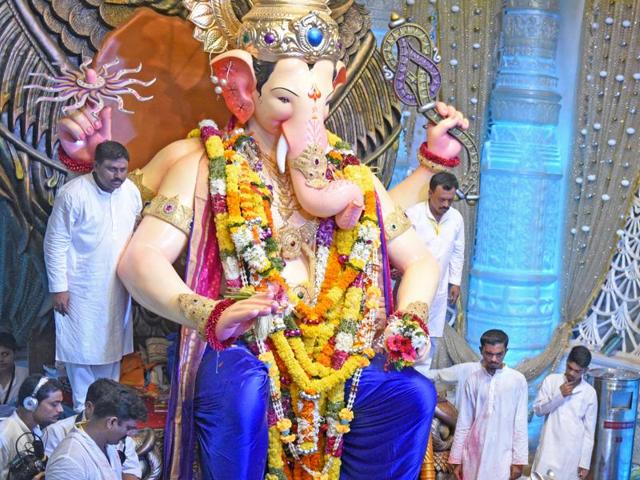
The Hindu festival held in honour of the elephant-headed god is primarily celebrated in homes and in public by local community groups or mandals who install images of Ganesha in their homes and pandals.
Ganesh Chaturthi was first observed after the Maratha empire was set up by Chhatrapati Shivaji in the 16th century. Since then, it has been an important day in the festival calendar of the Peshwas, the prime ministers of the Maratha rulers, but was largely confined to individual homes.
In 1892, one of the stalwarts of India’s freedom movement, Bal Gangadhar Tilak, reintroduced the festival as a rallying ground for nationalists. The streets of Mumbai and Pune turned into venues for the 10-day celebrations and huge gatherings of devotees.
“Tilak channelised the patriotic spirit by bringing the household Ganapati out onto the streets of Pune. He was able to bring a feeling of unity among the masses against the British through the festive fervour as opposed to a political gathering that the British would not allow,” Tukaram Raut, treasurer of Brihanmumbai Sarvajanik Ganeshotsav Samanvay Samiti (BSGSS), said.
“Within a decade, the spirit of the festival spread like wildfire with mandals coming up in small pockets at Dadar, Parel and Girgaum. People from different religions had 10 days to interact with each other without the British beating down on them,” Raut said adding that from then on, independence and nationalism became central themes during festival days all the way up to 1947.
Post Independence, the festival took a religious turn as Hindu culture was the primary theme for devotees visiting each mandal, president of BSGSS Naresh Dahibhavkar said.
“Themes such as Mahabharata, Ramayana and other stories from the Bhagavad Gita were enacted through plays, essays, drawing competitions, and dance programs during all 10 days of the festival,” he said.
Stay updated with all the Breaking News and Latest News from Mumbai. Click here for comprehensive coverage of top Cities including Bengaluru, Delhi, Hyderabad, and more across India along with Stay informed on the latest happenings in World News.


