
 E-Paper



Scientists bust myths about ‘immunity-boosting’ substances in fighting Covid-19
Any substance is considered effective only after rigorous testing through randomised clinical trials with Covid-19 patients, and additional laboratory analyses, the scientists said.

 Prefer HTon Google


Indian scientists on Thursday released a statement against the promotion of “immunity-boosting substances” to protect oneself from being infected with the novel coronavirus. Citing lack of scientific evidence, scientists said consuming mustard oil or tea, homaeopathic solutions or ayurvedic preparations, or modern medicines like hydroxychloroquine that are claimed to provide either immunity or cure “do not provide any known and/or validated protection against Covid-19”.
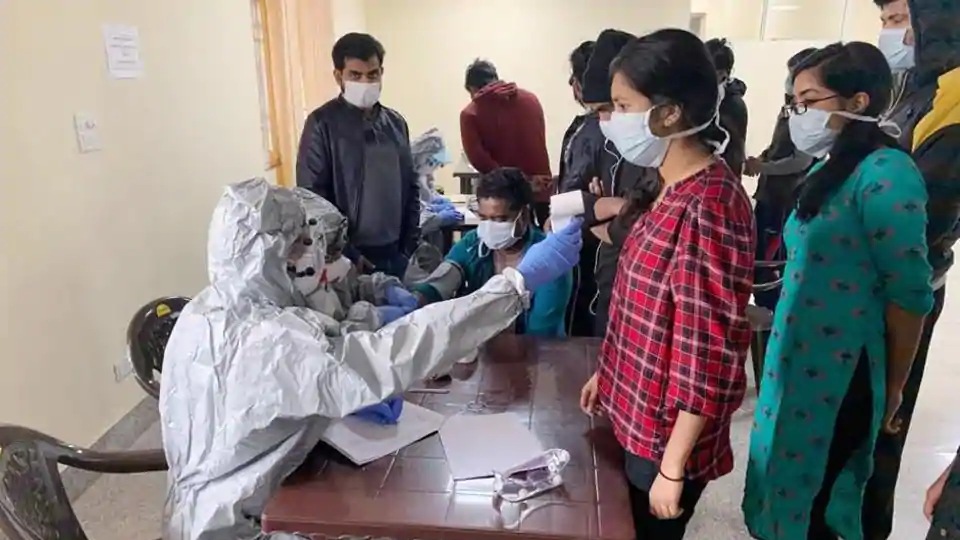
Any substance is considered effective only after rigorous testing through randomised clinical trials with Covid-19 patients, and additional laboratory analyses, the scientists said.
Additionally, drinking cow urine, wearing talismans, exposure to ultraviolet light or injecting disinfectants are harmful to the human body, while excess consumption of supplements such as zinc or datura seeds can prove to be fatal.
Aniket Sule, astrophysicist at Homi Bhabha Centre for Science Education and one of the signatories, said, “Since the beginning of Covid-19 epidemic, several statements have propagated ‘immunity-boosting’ substances. Some assertions were also supported by a few government functionaries at the Centre and in various states; and we, therefore, wanted to place scientific facts in the public domain.”
Explaining how an individual develops immunity against a bacterium or a virus, the statement reads, “Either we were infected and recovered from the illness, or we are vaccinated; in either case we develop antibodies that can target the specific virus or bacterium...The most severe cases of Covid-19 are made worse by an overreaction of the immune system. So trying to boost general immunity using untested methods may be risky.”
The scientific community has urged citizens to continue wearing masks, wash hands, and follow physical distancing protocols.


