
 E-Paper



Stiff parking penalties not a problem, lack of policy is
Little to no attention was paid to Mumbai’s parking system in the last decade, even as the number of vehicles on the streets multiplied

 Prefer HTon Google


It’s been more than two weeks since the new rules on no-parking zones began to be implemented. Vehicle owners who were penalised have felt the pinch of high fines – from ₹5,000 to ₹15,000 depending on the type of vehicle – but there is, broadly speaking, happy news for Mumbai.
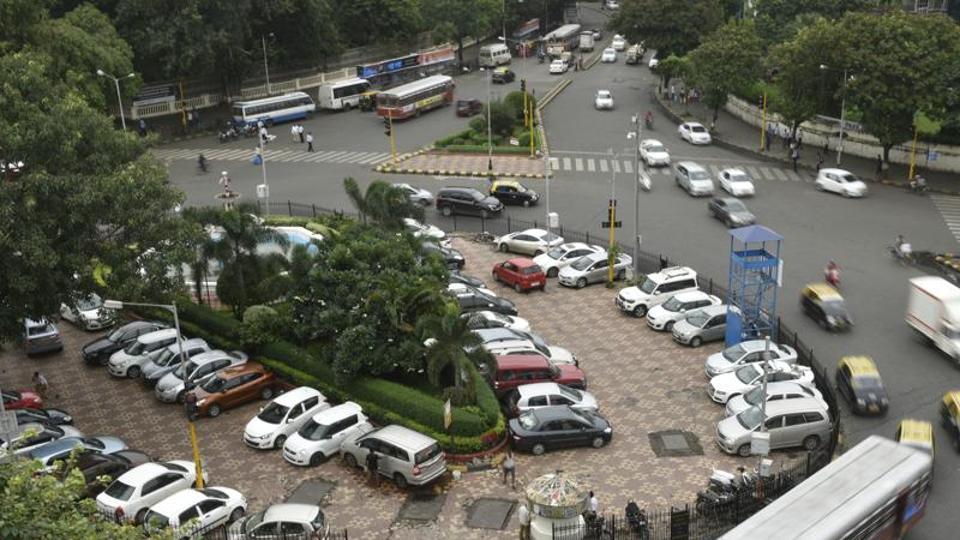
Streets in the vicinity of the 26 designated public parking lots where the new rules are in force are relatively free of parked vehicles; the occupancy in these designated lots has increased by nearly 25%; and the Brihanmumbai Municipal Corporation has earned upwards of ₹32 lakh revenue, according to the civic body. The BMC must not rest at this.
The high penalties, critics must note, are for parking on the street in a no-parking zone when designated parking space is available within 500 metres. It took the steep fines, nearly 1,000% higher than what used to be levied, to make Mumbai’s vehicle users realise that road space does not come cheap – and certainly not free. This penalty was necessary but it is only one step. The need of the hour is to factor it into a comprehensive and rational parking policy for the entire city, with an aim to curb on-street parking and creatively use off-street parking avenues.
Little to no attention was paid to Mumbai’s parking system in the last decade, even as the number of vehicles on the streets multiplied beyond projections. With more than 500 vehicles per square kilometre, Mumbai has an unusually high density. An over-burdened public transport system, coupled with flyovers and freeways constructed across the city, meant that Mumbaiites were encouraged to buy and use private vehicles. The parking mess was in the offing.
Building plans, especially for commercial structures, were sanctioned without matching parking infrastructure. The spill-over has been on the streets, impeding traffic, cyclists and pedestrians. With roads dug up for Metro and other work, traffic movement has been a severe problem. Parked vehicles add to the road congestion. That’s why measures to decongest roads are welcome.
Those complaining that there aren’t enough parking bays across the city, are partly correct and the BMC could do more to create additional bays – like the BEST depots which have now been opened for individual parking, with reasonable rates and time slots – but it’s also true that the existing bays were not used. Civic officials have said that barely 15% of the space in these was being used but the streets outside them would be clogged with parked vehicles. This is a criminal waste of space in a congested city. Optimal use of existing space should be part of the parking policy.
Also, unlike in many international cities, the ownership of second and third vehicles in Mumbai does not carry a premium and has not been linked to parking spaces available in public and private areas. Parking fees in designated parking areas are not linked to the demand for parking slots in each area, though it has been well proved that a demand-responsive price for parking tends to regulate both parking and transport.
Then again, pay-and-park zones are basically the city’s public land rented to private contractors for a fee. This could do with a major revision like Chennai is doing. Instead of leasing out a public road to contractors for fixed amounts and a fixed lease period, they are paid a fixed fee per parking slot per hour, for the parking management services they provide. These issues, besides many others, should be part of a comprehensive policy.
The crux, of course, is that a small percentage of Mumbaiites use private vehicles while the majority depend on public transport and walking. Using the revenue from steep fines to improve public facilities, including pavements, would be in order. Let’s view the new parking rules and penalties in the larger context, not merely from the view of those who might have to pay them.


