
 E-Paper



Five years on, Japanese recount life post Fukushima N-disaster
More than 300,000 people had to be evacuated after three of Fukushima’s six reactors blew up following the huge tsunami


Masami Yoshizawa was minding cattle on the morning of March 11, 2011, when he heard loud blasts from the Fukushima Daiichi Nuclear Power Plant – a result of an earthquake and tsunami. Living only 10kms away from the radioactivity, Yoshizawa spent four days on a nearby mountain.
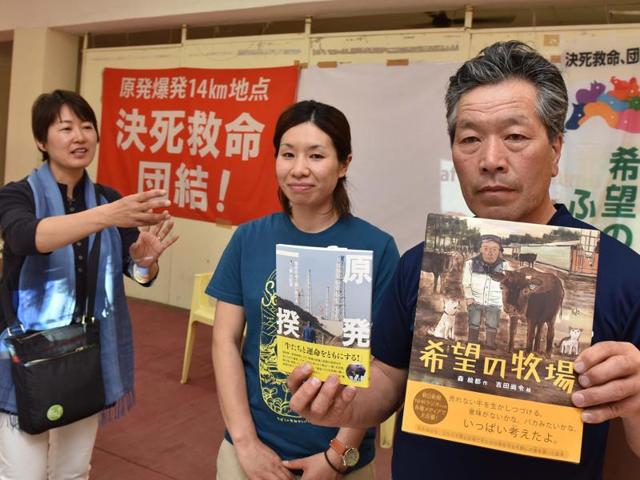
“While humans were evacuated, cattle that were being reared for their meat were left behind. The government then passed an order to kill all cattle since they were contaminated and unfit for consumption,” said Yoshizawa.
The 62-year-old along with eight farmer families decided to look after 500 cattle on their farm, called the Ranch of Hope.
Yoshizawa and Mizuho Sugeno, 28, were in Mumbai on Monday to recount their experiences of Fukushima nuclear accident.
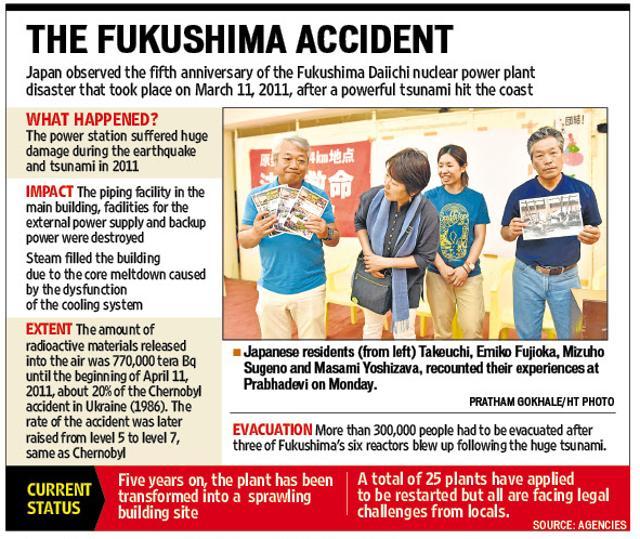
This, in the backdrop of a reactor in Unit I of the Kakrapar Atomic Power Station at Gujarat, which continues to be cooled by the shutdown cooling system down after leakage of heavy water, and Indian government’s expansion plans for nuclear energy.
“The Japanese government thinks nuclear power plants bring comfort but they also bring discomfort and disasters,” said Sugeno. “What happened at Fukushima shouldn’t happen anywhere in the world. Each one needs to make an effort and Indians and Japanese must join hands to stop the construction of nuclear plants.”
Though beyond the evacuation zone, Sugeno unlike most families decided to return to her home 47 kms away from the epicentre, and restarted organic farming on contaminated soil. Founder of ‘Seeds of Hope’, Sugeno along with scientists has successfully demonstrated methods to prevent crops from absorbing radiation.
“Every single bag of rice is inspected for contamination and 99.98% were free of radioactive material. It’s a similar case with vegetables and fruits grown organically,” said Sugeno.
According to Emiko Fujioka, 50, secretary general of Fukushima Beacon for Global Citizens Network, despite several court rulings, the power company which was running the plant continues to hide information. “It has come to light that the company did not reveal information for two months after the incident and the public continues to protest against them,” said Fujioka.

Stay updated with all the Breaking News and Latest News from Mumbai. Click here for comprehensive coverage of top Cities including Bengaluru, Delhi, Hyderabad, and more across India along with Stay informed on the latest happenings in World News.


