
 E-Paper



Mumbai demographics: Old strongholds crumble, new ones take their place
The redevelopment boom in Mumbai over the past two decades has changed the city’s demographics profoundly. Market dynamics have diffused old community strongholds, while creating new ones.


The redevelopment boom in Mumbai over the past two decades has changed the city’s demographics profoundly. Market dynamics have diffused old community strongholds, while creating new ones.
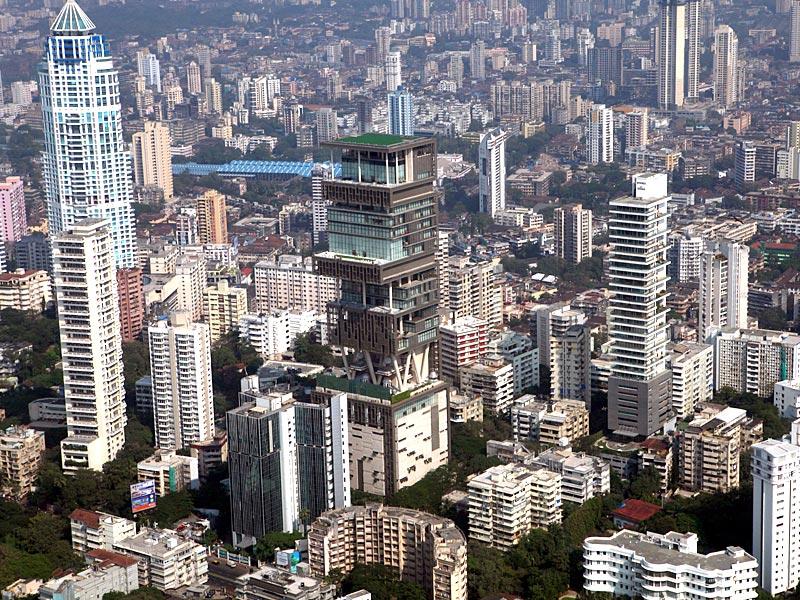
For example, many Maharashtrians who once lived in chawls have moved outside city limits following the redevelopment of their old homes. “Many families suddenly got bigger, more expensive flats, upon which all the heirs started demanding their share. This forced many to sell, and with their individual shares, each could afford homes only on the outskirts,” said former Shiv Sena legislator Dagdu Sakpal.
So, as Girangaon of the 1980s transformed into Upper Worli, Dombivili became a new hub for Maharashtrians, while vegetarians cornered Ghatkopar and Malabar Hill. The mill lands of Parel and Lalbaug, once almost exclusively Maharashtrian, became far more diverse. Meanwhile, Muslim-dominated areas such as Mumbra, Naya Nagar at Mira Road, Kurla and Govandi turned into virtual ghettos thanks to a huge influx of Muslims from south Mumbai.
Over the past two decades, the phenomenon of ‘vegetarian societies’, which effectively excluded Maharashtrians and Muslims, among others, came to dominate areas such as Parel, Lalbaug, Girgaum, Ghatkopar, Mulund, Juhu and Malad. Builders started constructing luxury houses catering exclusively to vegetarians. In Parel and Lalbaug, rich Maharashtrian businessmen were denied flats on the grounds that their non-vegetarian diets would cause problems to other residents.
And while the slowdown in the market has opened to door to more inclusive housing in some parts, the legacy of Hindu- and Muslim-dominated areas continues unabated, with the former commanding a high premium, according to Pankaj Kapoor, CEO of Liases Foras.
“For Hindus, the desire to live only among one’s own comes at a cost, and many are priced out of properties in such exclusive areas,” he added.
The situation is different for low-income Muslims. While flats in Muslim-only areas are cheap, the poor quality of buildings – and rampant illegal construction – is turning these areas into inescapable ghettos. For example, in Mumbra, a Muslim-dominated area rife with illegal buildings, one can easily buy a house for as little as Rs 1,500 per square foot.
According to Congress legislator Amin Patel, this ghettoisation has stunted the growth of the Muslims. “Muslim families have to make compromises as they are not allowed to buy property even if they have the money. Even those who aspire to home with better amenities cannot fulfil their aspirations thanks to discrimination, and remain stuck in their ghettoes,” he said.

Stay updated with all the Breaking News and Latest News from Mumbai. Click here for comprehensive coverage of top Cities including Bengaluru, Delhi, Hyderabad, and more across India along with Stay informed on the latest happenings in World News.


