
 E-Paper



Wind speeds down, pollution up
Why can we no longer use the wind to separate grain from chaff? A simple question put forth by farmers in north India has helped reveal the steady decline in wind speeds across India and the major implications for metro cities. Snehal Rebello reports.


Why can we no longer use the wind to separate grain from chaff? A simple question put forth by farmers in north India has helped reveal the steady decline in wind speeds across India and the major implications for metro cities.
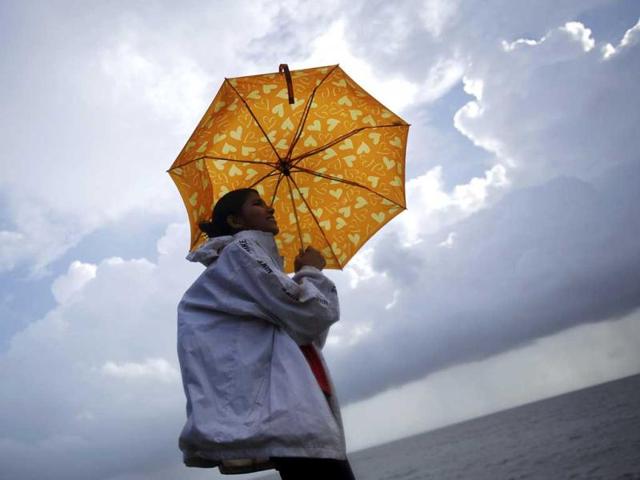
A nationwide study by two scientists at the Pune-based India Meteorological Department (IMD) has revealed a 49% drop in near-surface wind speeds over the past 50 years.
An analysis of data across 170 stations between 1961 and 2008 shows that average wind speed dropped from 9.7 kmph in 1961 to 5 kmph in 2008, with a 9.2% decline in annual average wind speed per decade.
Scientists AK Jaswal and AL Koppar have found that the dip in wind speeds had led to a decline in the number of good visibility days in urban areas as pollutants remained suspended in the air.
Significantly, they have also discovered weakening intensity of southwest monsoon circulation, which is responsible for the Indian monsoon.
Global warming, urban heat islands, urbanisation and unplanned growth, changes in land-use patterns and deforestation have been linked to falling wind speeds.
“Such dips in wind speeds have a major and dangerous impact on local air pollution levels, especially in metropolitan cities such as Mumbai and Delhi, since pollutants emitted by fossil fuels do not get dispersed but remain concentrated,” said Gufran Beig, senior scientist at the Indian Institute of Tropical Meteorology.
The most significant declines in wind speeds were recorded in Maharashtra, Gujarat, Tamil Nadu, north Karnataka, coastal Orissa and coastal West Bengal.
“The cyclonic disturbances over the Bay of Bengal and Arabian Sea that generate wind speed have eased,” says Jaswal, lead author of the study. “An increase in sea surface temperatures, in the Arabian Sea, has also brought down wind speeds.”
Stay updated with all the Breaking News and Latest News from Mumbai. Click here for comprehensive coverage of top Cities including Bengaluru, Delhi, Hyderabad, and more across India along with Stay informed on the latest happenings in World News.


