
 E-Paper



Are malls the new venues for music concerts?
Vengaboys, Shaggy and Honey Singh have one thing in common — they’ve all performed at a mall in Mumbai.

 Prefer HTon Google


Vengaboys, Shaggy and Honey Singh have one thing in common — they’ve all performed at a mall in Mumbai.
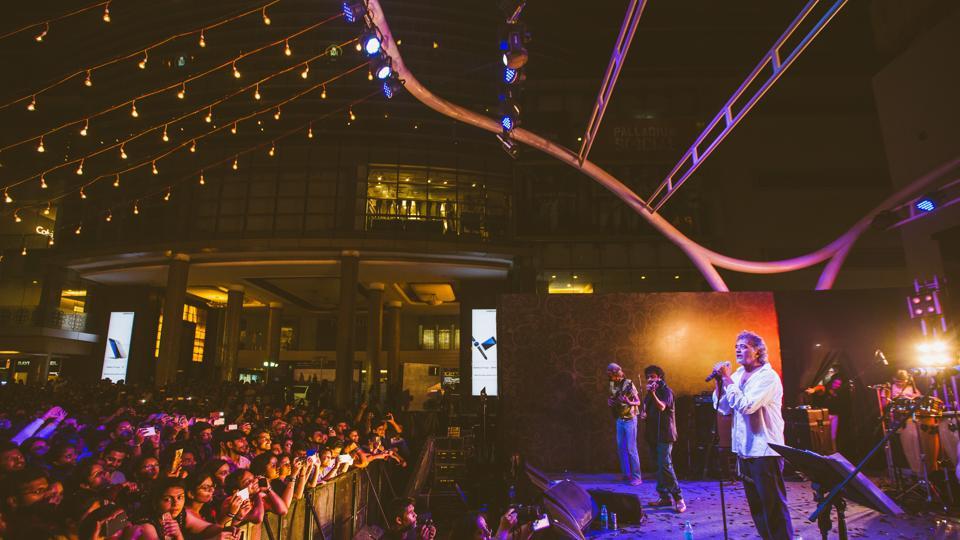
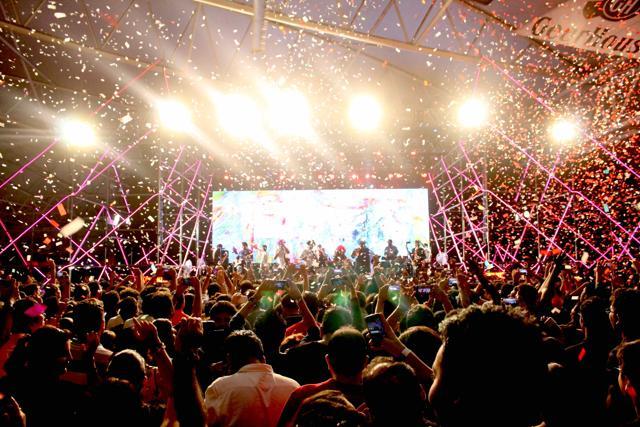
In 2015, when the ’90s Dutch Eurodance group Vengaboys announced their India tour, the news was met with mixed reactions. This was their fourth visit to the country — after a multi-city tour in 2000-2001. Back then, they had performed at proper venues like the Jawahar Lal Stadium in Delhi, Royapettah YMCA ground in Chennai, and Sector 17 Circus Grounds in Chandigarh.
Now, they were playing at Dublin Square, an enclosed performance area in Phoenix Market City, a mall in Kurla.
A concert in a mall was a first for an international act in Mumbai. When was the last time you went to the mall to see your favourite band play? “I cracked a few jokes when I heard of the venue. But Vengaboys was a part of the music I grew up listening to, so I still went. Surprisingly, it was an amazing experience,” says Pankaj Ahuja (30), a real estate marketing consultant.
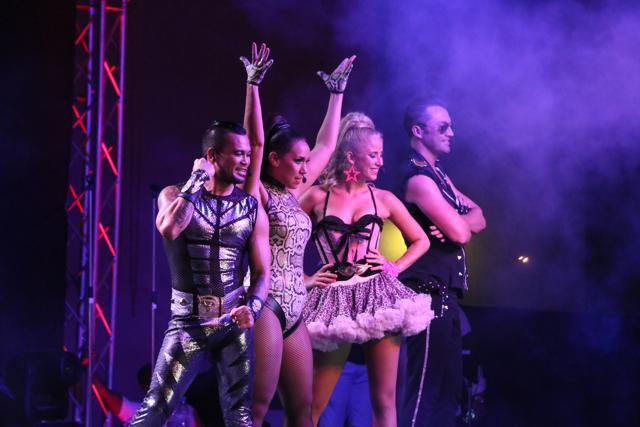
Ahuja is now a convert. He’s attended other concerts at malls, and watched musicians and bands such as Edward Maya, Amit Trivedi and The Manganiyar Seduction perform. The latter, in fact, is a production with an elaborate set-up – 43 Rajasthani folk musicians perform together, seated in individual cubicles stacked up in four tiers. “Watching them made me realise that malls are a great way for concept music to evolve,” adds Ahuja.
READ MORE: Mumbai’s eateries, pubs and libraries turn into performance spaces
Market City isn’t the only one that’s reinventing the mall. Others like Inorbit in Malad and High Street Phoenix in Lower Parel have played host to Bollywood and indie musicians. Infiniti in Andheri, and Viviana mall in Thane have regular weekend gigs by amateur musicians, college bands, and even music reality show contestants.
So, how did malls emerge as music spaces?
Transforming spaces
In the late ’90s and early 2000s, when the first malls began cropping up in Mumbai (Crossroads in SoBo, Inorbit in Malad), they were a new space for family entertainment, not just shopping. They were an introduction to a uniquely Western concept — where shopping, food, gaming and people-gazing came together. In the years since, malls became a big part of the city’s leisure habit.
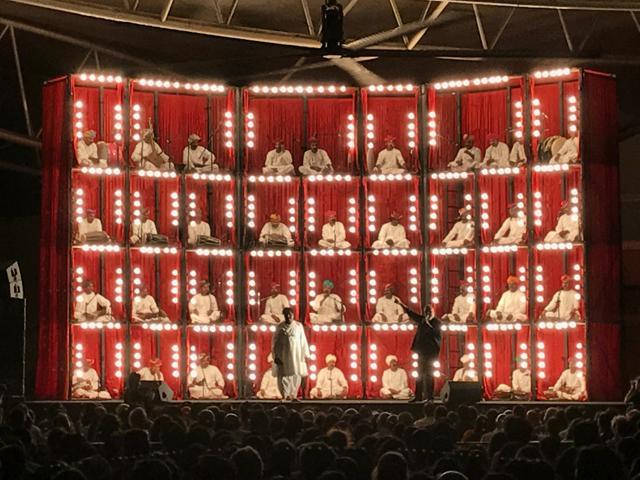
In a city with space constraints and expensive real estate, malls felt the need to utilise their open spaces. And they found an older demographic who wanted to see their favourite Bollywood musician perform, but not brave the crowds or pay to attend a music festival. Rajendra Kalkar, president (west), Phoenix Mills Limited, says they began experimenting in their Bengaluru mall. Market City Bengaluru could accommodate four to five thousand people. So they roped in commercial musicians like Atif Aslam, Arijit Singh, Shreya Ghoshal and Udit Narayan for ticketed concerts on weekends, priced between `500 to `1,500. “They were successful. Earlier, families would shop, eat and leave. Now, they stay longer,” he says.
READ MORE: Theatre, food, workshop: 10 things to do in Mumbai this weekend
Similarly, Inorbit’s parking lot and garden have seen Honey Singh, Arijit Singh, Hard Kaur and Sivamani perform to crowds of up to 10,000 people in the last two years. After Vengaboys, the 40,000sqft Dublin Square has had its share of Indian and international names like Shaggy, Boney M, Rekha Bhardwaj and Amit Trivedi. While most of these are ticketed, their prices are lower than those at dedicated performance venues.
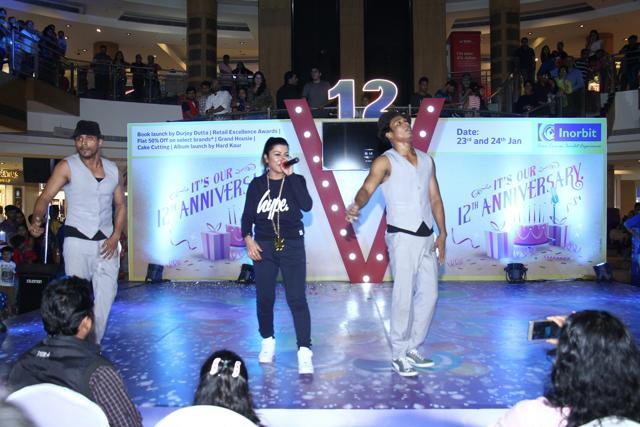
There are other reasons that make malls successful venues – no parking hassles, no compulsion to serve alcohol (which widens the target age group). And there are ready food options all around. “Instead of selling alcohol separately, we tie up with the restaurants and pubs already in the mall so customers can pay for what they like,” says Kelkar.
More for less
With non-ticketed concerts, malls also serve as platforms for new talent. Viviana has let out its space to Indian Idol contestants and college bands in the past. Awestrung, a monthly gig series by High Street Phoenix, was started in early 2015 to promote music from across the country. The likes of DJ Nucleya and Lucky Ali have performed as part of it. Even though it’s free, Awestrung tries to recreate the concert experience by barricading a section of the courtyard and giving attendees concert-y wristbands.
“When you’re an indie act performing at a club, you know how many people will turn up. But here, the audience is diverse; many shoppers stay back because they find the music interesting,” says Ruell Barretto, the guitarist of Bombay Basement, that also performed at UK’s Glastonbury Festival last year.
Rapper Prabh Deep says the younger lot, which doesn’t fulfil the age criteria at clubs, discover his music through a platform like this, so “it’s a win-win”. And since most young artists perform for free, malls don’t have to recover costs — the basics are often covered through brand partnerships.
But do only obscure bands or acts beyond their prime (Vengaboys, Shaggy, Boney M) agree to mall gigs? Kalkar says they don’t actively seek out older names, but get in touch with artist agencies when they hear of an India tour. Arjun S Ravi, co-founder, NH7 and director of Only Much Louder, compares this to the ‘Big in Japan’ expression – used to describe musicians from the West who did well only in Japan. “Malls see huge footfalls, from a wide demographic, so economically it makes sense. Tomorrow, if malls discover that stand-up comedy is drawing in more people, that can be the next trend,” he says.


