
 E-Paper



Technology blends with tradition to serve a digital music fest fit for the Gods
The 97-year-old Sankat Mochan Sangeet Samaroh, held annually in Varanasi, went online this year thanks to the lockdown

 Prefer HTon Google


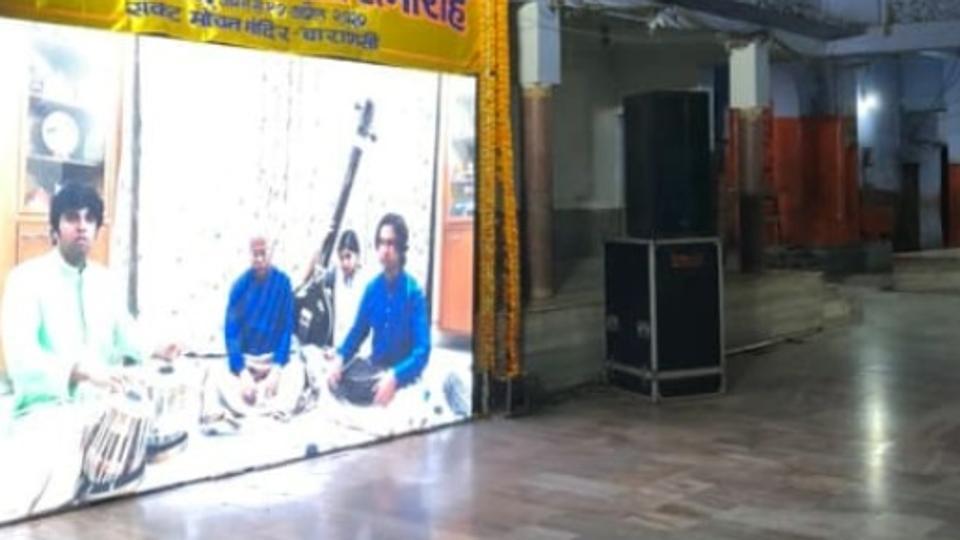
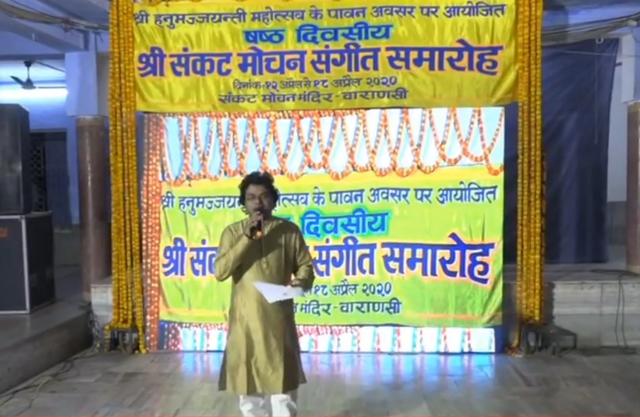
Known for its glorious history and timeless traditions, there’s something that Varanasi, the city of Ganga and the ghats, holds most dear to its heart — the reputed Sankat Mochan Sangeet Samaroh. But owing to the nationwide lockdown, the 97-year-old festival went digital this year, with live online performances of the artistes, for the first time in its history. Standing up to the challenges thrown by the Covid-19 pandemic were several renowned artistes, who went online for their live performances from their respective homes across the world. The entire programme was also broadcast in the temple complex, which is the festival’s traditional venue, besides on social media.
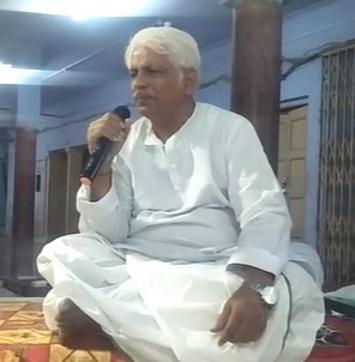
Elaborating more about the initiative, the president of Sankat Mochan Foundation, Vishwambhar Nath Mishra, tells us, “It is the first time in the 97-year history of this festival that things are being organised in this unique way. The annual music fest is held soon after the Hanuman Jayanti celebrations and this year, due to the lockdown we were wondering about ways to continue the tradition. We can only call it divine intervention that technology came to our rescue and we were able to organise it so beautifully, by coordinating with different artistes from across the world.”
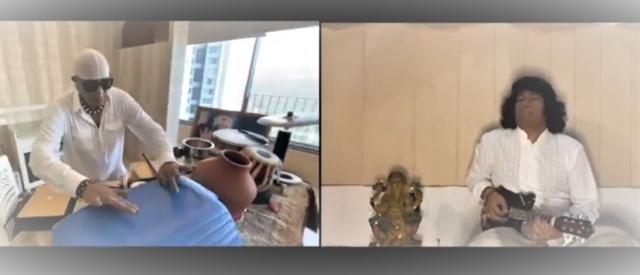
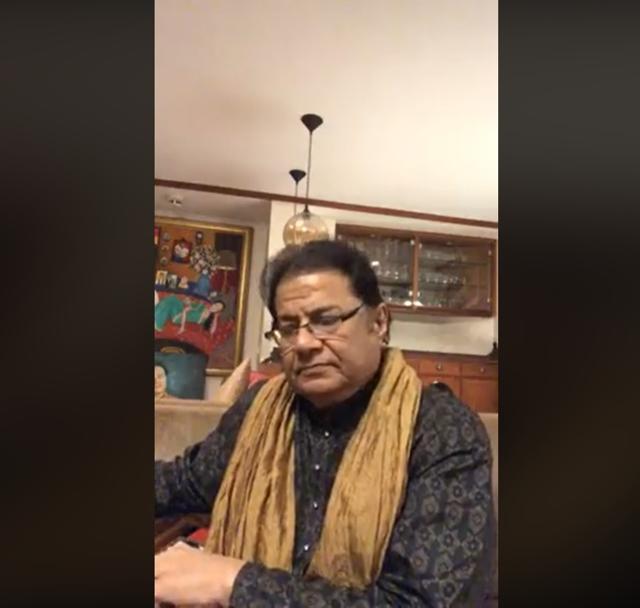
A global congregation of music maestros, is how Mishra terms the festival. Among those who marked their attendance in this year’s edition of the music festival included singer Anoop Jalota, classical vocalist Pandit Jasraj, sitarist Shakir Khan, Kathak dancer Anuradha Singh, sitar maestro Mehtab Ali Niyazi and drummer Sivamani, among others. Previously scheduled for six days (April 12 to April 17), the fest was extended by a day, owing to the euphoric response from the audience.
According to organisers, as many as 2 lakh viewers watched the performances live on most days of the festival, with Pandit Jasraj’s performance alone garnering a viewership of over 1.71 lakh during the live broadcast, on the third day.
Mishra goes on to explain how they pitched this concept of holding this year’s fest digitally to different artistes, who all readily agreed and managed their schedules accordingly, despite being in different time zones. “While Pandit Jasraj performed live from the USA, Suman Ghosh on the other hand, wooed the audience while performing from Houston. Artistes from Chennai, Kolkata, Lucknow, Delhi, Bhopal among other places, also participated in this music festival. We got a tremendous response from music lovers with lakhs of them joining our live broadcast every day,” he says. “We had to extend it by a day as more and more artistes wanted to give their performances. Though it continued late into the night, we couldn’t accommodate all of them in five days,” he adds.
What also makes this festival special is the unique format in which it is held every year. Completely different from the usual black box theatre setup, a basic open stage is erected right in front of the presiding deity, thus allowing the audience to hear their favourites by sitting close to the base of the podium where the artistes perform, in true baithak style. And what’s better? This unique music fest has always remained free for all to attend, as the artistes do not charge hefty fees for performing here. This year as the festival went digital, a special screen was also set-up in front of the sanctum-sanctorum of the 16th century temple, where all performances were played live, using a projector.
“Basically, this festival is an opportunity for the artistes to perform for God himself. Many renowned names from Indian classical music have been performing here regularly, year after year. It is their hajri (attendance) at God’s court. Their performance at this festival is dedicated solely to Hanumanji and everyone else is only a co-audience. It’s just him (Lord Hanuman) who decides the schedule, brings artistes to us and has this year also extended the festival by a day. So we are just a medium and it is all his doing,” says Mishra eloquently.
The festival is still considered one of the most unadulterated and raw platforms for witnessing Indian classical music and dance. Shehnai maestro, late Ustad Bismillah Khan, Kathak exponent Birju Maharaj, Pakistani ghazal singer Ghulam Ali, classical dancer Sonal Mansingh, playback singer Suresh Wadkar, sarod player Ustad Amjad Ali Khan are some of the many renowned names that have graced the stage with their performances in the past. And the festival, though held inside the temple complex, has always transcended all religious and geographical boundaries.


