
 E-Paper



Assam's floods deserve national calamity status
Assam’s floods are no longer seasonal disasters but a recurring national emergency.

 Prefer HTon Google


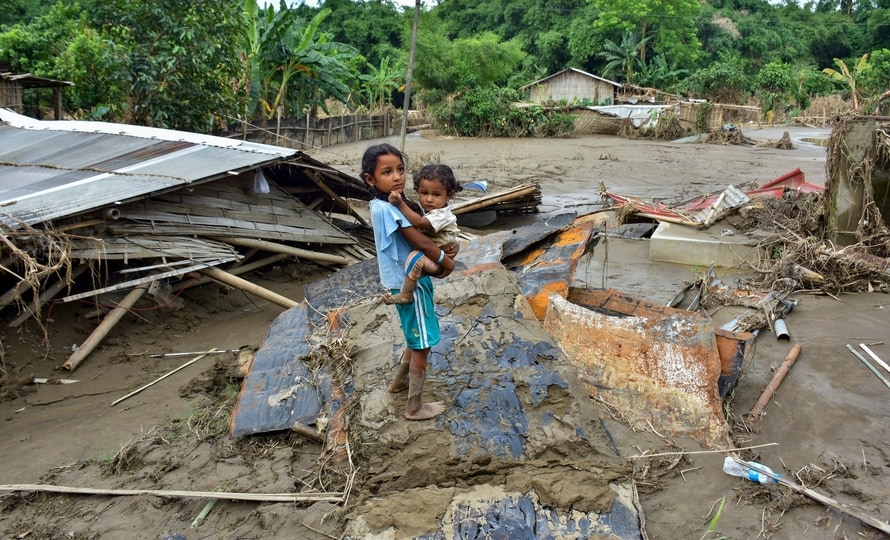
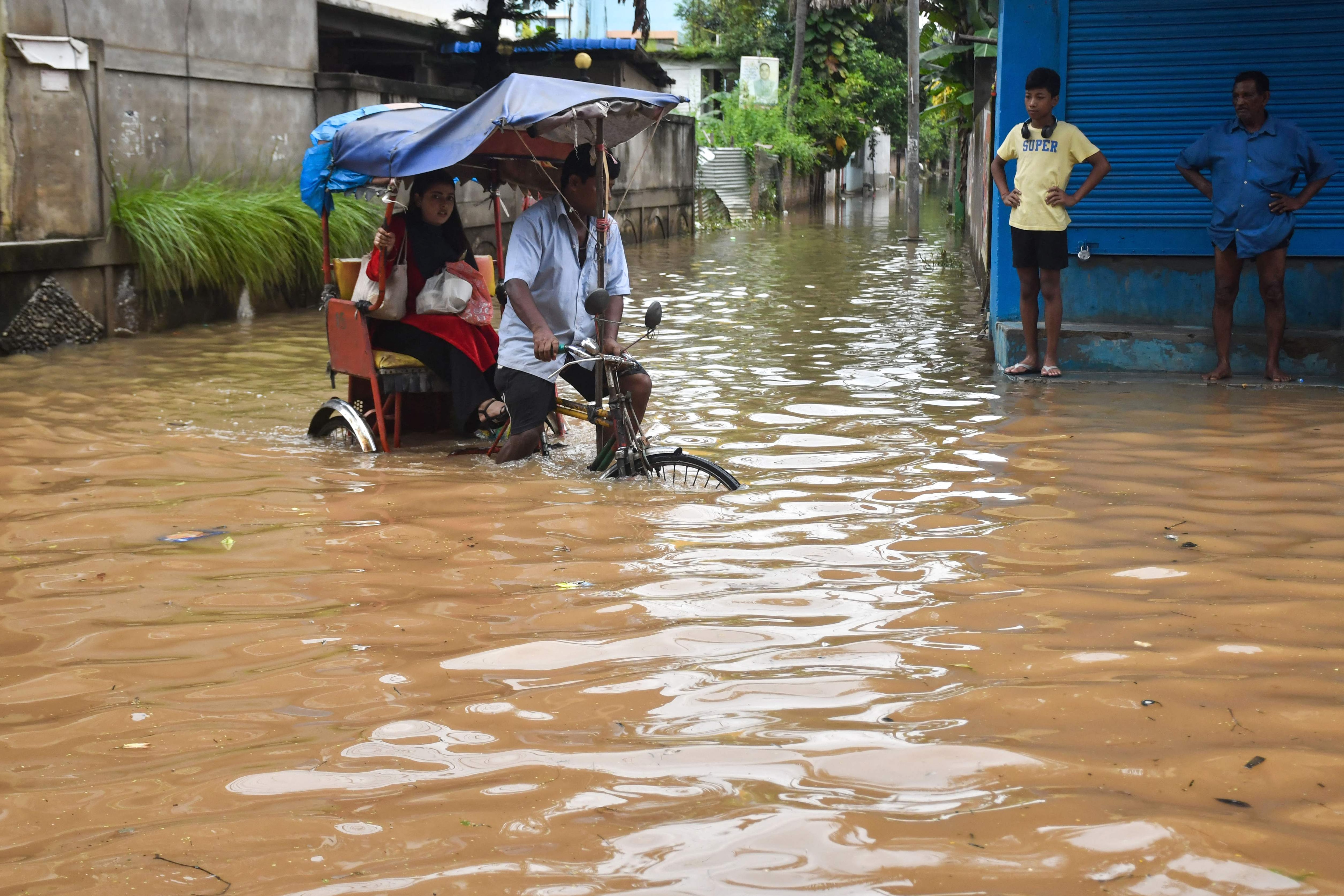
Every monsoon, India watches Assam disappear beneath water. Images of submerged villages, rescue boats navigating inundated roads, families taking refuge on embankments and wildlife fleeing flooded forests briefly dominate national headlines before attention inevitably shifts elsewhere. Relief is announced, compensation follows, and reconstruction begins, only for the same tragedy to return the following year. The devastating floods of 2026 should force India to confront an uncomfortable truth: Assam’s floods are no longer seasonal disasters but a recurring national emergency that deserves recognition as a national calamity.
ALSO READ | Why Assam floods: The obvious answer is Brahmaputra, but there's so much more to it
According to the Assam State Disaster Management Authority (ASDMA), the 2026 floods have claimed 100 lives to date. Millions were affected during successive waves of flooding, while even after the waters began receding, nearly 1.8 lakh people across seven districts continued to suffer the consequences. According to Assam’s disaster management minister, floods have claimed approximately 836 lives in the state over the past decade. The Union government sanctioned ₹379 crore for relief and rehabilitation, yet emergency assistance cannot substitute for a permanent strategy to address a crisis that repeats itself almost every year.
Assam’s geography makes it uniquely vulnerable. Nearly 40% of the state’s geographical area lies within the Brahmaputra floodplain, accounting for almost one-tenth of India’s total flood-prone land. Satellite analysis found that nearly 30% of Assam’s land was inundated at least once between 1998 and 2015. These are not isolated disasters but recurring events that shape the state’s economy, society, and development trajectory.
ALSO READ | Flash floods wreak havoc in Assam, Arunachal; over 22,000 people affected, railway bridge collapses
The 2026 floods exposed this vulnerability with alarming clarity. Sivasagar and Charaideo emerged among the worst-affected districts after exceptionally heavy rainfall. Assam typically receives between 2,800 and 3,000 millimetres of annual rainfall, nearly 70% of it during the southwest monsoon. This year, prolonged rainfall across upstream catchments, coupled with rising river levels and sediment accumulation in the Brahmaputra, overwhelmed embankments and drainage systems. The disaster was not the result of one extreme event but of multiple interacting climatic and ecological pressures.
ASDMA reported 401 houses completely destroyed and another 1,856 partially damaged. Hundreds of kilometres of roads, embankments and public infrastructure require repairs, while 185 livestock deaths dealt another blow to already vulnerable rural households. Agricultural losses affected thousands of farmers whose incomes depend entirely on a single cropping season. Every flood pushes families deeper into debt, forcing many to rebuild homes and livelihoods with limited financial support.
ALSO READ | Assam govt begins flood damage survey, compensation to start by mid-September
Flooding is integral to sustaining Kaziranga National Park and Assam’s wetlands, yet intense floods also threaten endangered wildlife, damage habitats, and disrupt conservation efforts. This year, centuries-old Sanchipat manuscripts in Sivasagar were endangered, illustrating that floods destroy not only infrastructure but also cultural heritage.
Critics argue that granting national calamity status to Assam could encourage similar demands from other disaster-prone states. That concern ignores Assam’s exceptional circumstances. The Brahmaputra is a transboundary river originating beyond India’s borders, carrying enormous sediment loads before traversing one of the world’s most fragile floodplains. Managing such a river demands coordinated action involving the Centre, state governments, scientific institutions, and neighbouring countries. No single State possesses the financial or technical capacity to shoulder this responsibility alone.
ALSO READ | Assam flood: Over 1.55 lakh people hit, toll at 98; damage assessment from Sunday
Recognition must translate into institutional reform. India requires a permanent Brahmaputra Basin Authority with statutory powers over basin-wide planning, sediment management, flood forecasting and riverbank erosion. Investment priorities must shift from annual relief to long-term resilience through elevated infrastructure, climate-resilient housing, wetland restoration, modern forecasting systems and scientific river management. Global evidence shows that investing in resilience before disasters is significantly cheaper than rebuilding after them.
Declaring Assam’s floods a national calamity will not prevent the Brahmaputra from overflowing. Rivers cannot be legislated into submission. But such recognition would acknowledge that a disaster recurring every year is no longer merely a state concern. It is a national developmental challenge. India cannot aspire to become a developed nation while accepting the annual devastation of an entire region as inevitable. The true test of disaster governance lies in the foresight to prevent predictable suffering. Assam has waited for that commitment long enough.
Siddharth Roy is a consultant to the Rashtriya Raksha University under the Union home affairs ministry. The views expressed are personal.


