
 E-Paper



Darjeeling tea industry is in peril. Here’s how to fix it
Despite its complicated history, fame, and the growing global demand for fine teas, Darjeeling’s premier position in the trade is in peril, with a dangerous combination of factors bringing it to the cusp of a crisis.

 Prefer HTon Google


The British created the tea industry in India in the 1840s to counter the growing dependence on Chinese tea. What began with the great tea heist from China by Robert Fortune, a Scottish botanist, plant hunter and traveller, ultimately led to the dislocation of indigenous Lepchas from erstwhile Dorje-Ling and then the migration and oppression of Nepalis. These migrants were vital for creating engineering marvels such as the Toy Train, highways on the steep hills of Darjeeling, and the carving out of plantations on hills originally occupied by ancient forests. All this was done to quench the demand for tea back in London.
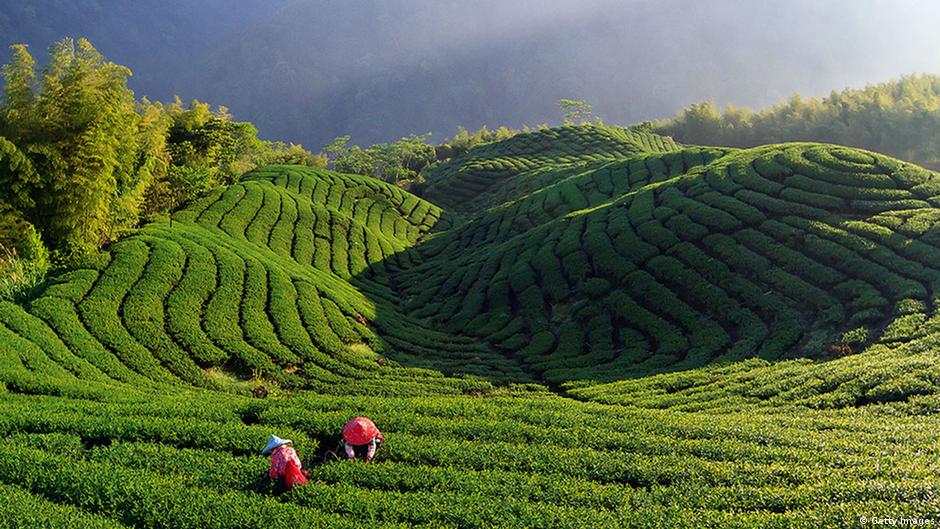
But despite its complicated history, fame, and the growing global demand for fine teas, Darjeeling’s premier position in the trade is in peril today. Recent news reports have relayed what planters were warning: Over half of the 87 tea gardens are up for sale due to large-scale bankruptcy or out of fear of default. This is happening despite the demand for Darjeeling tea rising worldwide and its production reducing annually, pointing to structural problems rather than a bad business cycle.
A dangerous combination of factors has brought Darjeeling to the cusp of a crisis. The first is the inability to enforce the Darjeeling Geographical Indication Status. Even though the region of Darjeeling produces only about eight million kgs of tea annually, approximately 20 million kgs of tea are sold as Darjeeling Tea in the international market. Darjeeling suffers from the concerted illegal trade and smuggling of Nepal teas into India, and the fact that these spurious varieties find their way to the export market under the Darjeeling label.
Second, labour laws. Darjeeling and Nepal are not only separated by the Mechi river, but also by different tea traditions, seasons, and the quality of their products. Nepal teas are cheaper due to the absence of adequate labour unionisation rules. Indian planters are bound by law to implement these rules. As a result, Nepal teas sold as “Darjeeling” are cheaper and of much lower quality.
Third, in 2017, the 104-day Gorkhaland agitation strike prevented the production of Darjeeling teas during its primary harvest months. This created an opportunity for smugglers and unscrupulous tea traders to capture the domestic and export markets. The pandemic further compounded the issue by keeping workers out of the fields.
Fourth, there has been a general lack of concern from local politicians, and the state and central governments. While progress was made on the labour organisation front, local politicians have led a negative campaign against plantation owners, labelling Darjeeling tea “blood tea” and calling for its boycott.
While much remains to be done to improve labour conditions and to make workers genuine stakeholders in the tea gardens, there is no denying that Darjeeling is a success story when it comes to unionisation and the reinforcement of welfare measures. Local leaders must realise that the tea industry remains the primary employer for people in North Bengal. Enforcing boycotts in a free-falling industry like Darjeeling will only lead to further closures instead of the intended wage hikes.
What is the way forward?
Consumers in India must become more conscious about tea sourcing. On the supply side, Indian producers require proper protection for their teas. We can start with more significant funding and a stronger mandate for the Tea Board of India, which needs to become the focal point for tackling the contraband tea problem. This effort must involve enforcing rules with local producers, traders and intermediaries, the national and international corporations that purchase tea, and most importantly, local tea shop owners.
In addition, producers and local elected representatives should join their efforts to support and defend this crucial industry rather than engage in bickering. This involves serious conversations around land rights, the climate crisis, and a radical reimagining of the space of the tea estate from the model of a plantation to a more just and inclusive garden.
Darjeeling has elevated tea production to an art form. Its name is as ubiquitous as Cuban cigars, French wine or Russian caviar. Losing this industry would be a tragedy, and an irreparable loss of heritage and identity for all.
Sparsh Agarwal is the co-founder of Dorje Teas and a member of the management committee of the Tea Research Association of India
The views expressed are personal


