
 E-Paper



Gig law can shape 21st century welfare models
The Rajasthan law is a stepping stone towards understanding and learning how to help gig workers as they deal with dynamic income insecurity

 Prefer HTon Google


July has been an important month for gig and platform workers with the G20 labour and employment ministers’ meeting foregrounding social security thanks to India’s stewardship, and creating a policy imagination on social security for these workers, despite their nebulous classification. The Rajasthan assembly also took up this commitment by passing the Rajasthan Platform Based Gig Workers (Registration and Welfare) Act, 2023. The legislation creates a worker welfare board – a policy model that acts as a workaround in the unorganised sector where it is difficult to establish a worker-employee relationship. It creates a tripartite structure between worker, State and enterprise, which is key for identifying workers in need and building programmes that plug these needs. India has used the welfare board model for many years now, with varying measures of success. The Hamal and Mathadi worker welfare board has been a particularly excellent example of a model working to safeguard vulnerable workers. Hamal and Mathadi workers – manual labourers in Maharashtra who organised themselves in the 1960s and 70s – serve as an example of how to model a tripartite relationship. But compared to previous models, the gig workers have one crucial difference – their work is linked closely to technology.
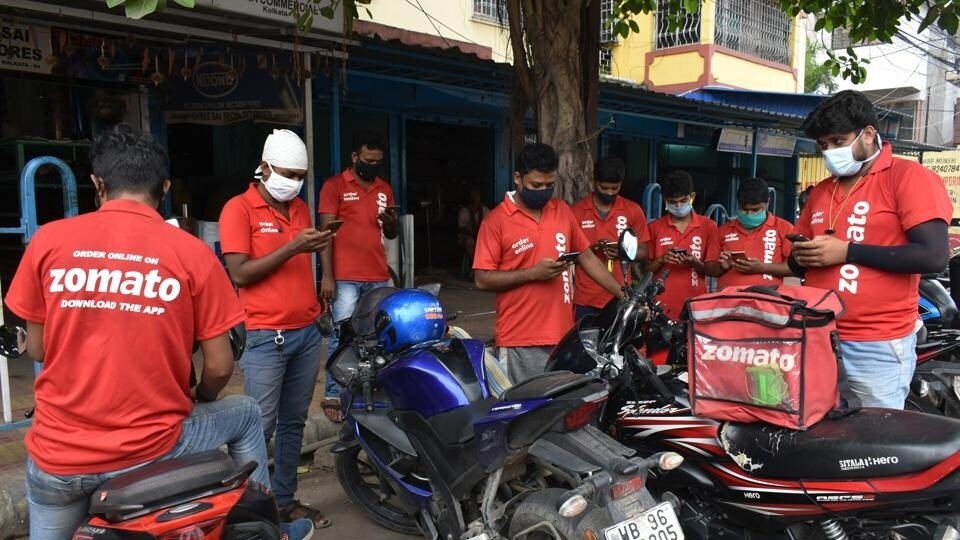
Gig work takes place in technology environments where smartphone usage is high and work is mediated through applications and web interfaces. The new board – which will have two representatives from platforms, two from worker associations, and government officials – wants to be able to use the efficiencies of the platform economy by automatically registering all new gig workers that join companies or get onboarded on aggregator platforms. Each worker will have a unique identity number which will keep them in the social security net, irrespective of how long they have been associated with a platform. This provision might seem meek, or an obvious administrative point, but it is important. Registration of workers has become a tough barrier in the delivery of welfare. In the construction worker board, for example, the registration process is onerous since workers have to go in person to register every year. They end up losing time and wages in this process. The disbursement of benefits is uneven for this occupational set, and the benefits are often unknown to both workers, contractors and employers. This arises primarily due to the lack of training of construction workers, or a lack of information on behalf of the employers.
Such design flaws, coupled with political and administrative issues that fall short on the ground, make the registration process for various welfare boards a challenge to the very workers they are supposed to benefit. Since registration is the first step, gaps in it hurt the board and its strength in delivering on promises. Platforms and aggregator companies will hopefully share worker details for those already registered. Good intentions and efficiencies of platform technologies can turn the welfare board model around.
The Rajasthan law is a stepping stone towards understanding the administrative hurdles to finding workers, and learning how to help gig workers as they deal with dynamic income insecurity, internet shutdowns, road accidents, unique occupational health issues, and lack of basic infrastructure for sanitation in work that requires being on city streets. The board’s job is now to correctly assess the needs and the financial requirements that can fund quality social protection programmes.
The requirements of women gig workers who often use platforms for home-based work, or have gender-specific social protection requirements, need to be especially identified. The Rajasthan ecosystem of worker associations, unions, civil society and platform companies is strong, and hopefully, this will ensure that all kinds of gig and platform workers – men and women – working on smaller and lesser-known platforms are also brought under this umbrella.
The Rajasthan example can be used as a model for other state governments. It can give the rest of India a way to understand how the welfare board model can work together with technology. By using a framework that has been established as legal precedent, and implemented at the central and state level, state governments can have ample opportunity and information on what challenges in this model are, and how to overcome them. This will benefit not just gig workers, but also any sector served by a welfare board.
Aditi Surie is with the Indian Institute for Human Settlements. The views expressed are personal.


