Pride Matters | Queer literature: Everyone deserves a seat at the table
As contemporary literature makes more space for queer stories, the LGBTQIA+ community needs to be represented accurately, with sensitivity, and compassion. This is in fiction and non-fiction, in real and imagined worlds alike.
Writer Sujatha’s short story, Karuppu Kuthirai (Black Horse), which is also the title of his anthology of 12 short stories, is about cricket match-fixing, written when nothing of the sort was known.
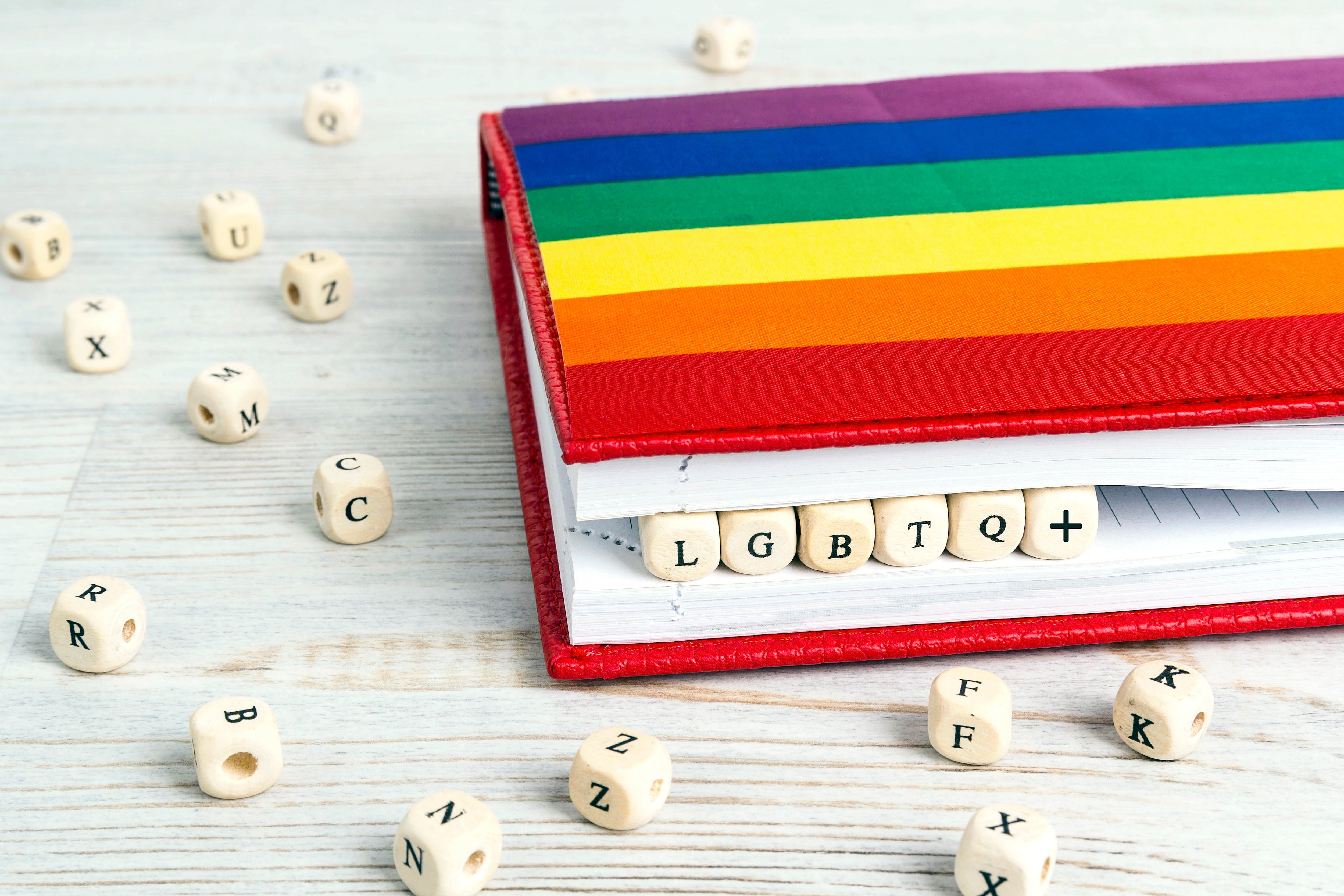
The queer literature fest is also a necessary platform in today's world, to highlight the oft-unseen works of the queer commuunity, of writers and artists whose identity is crucial to their art. (Shutterstock)
These short stories were written in 1995 for the Tamil weekly magazine, Anandha Vikatan, under the title Puthiya Thoondil Kathaikal (New Bait Stories), and were together published later, as an anthology, in 2000. In the same year, when the India-South Africa match-fixing scandal erupted, the author wrote about his surprise at how he had written about the issue long before it was considered a big phenomenon in cricket and other sports.
I am not fond of cricket, and perhaps that is why that story didn't quite appeal to me. But that the author wrote about something that didn't have a name in popular culture holds lessons for society — that evolution and change are inevitable, and in cases of social transformations (and definitely not match-fixing), we must make room for it. There was, for instance, a time when the queer (LGBTQIA+) community didn't have a name of its own, but here we are today.
What stuck with me years after reading it, however, is another short story in the same book, about two men working together in managerial positions. The end of the story insinuates that both men were in a sexual relationship, as suspected by a co-worker.
This story stayed with me for several reasons: Before this, I had only read news reports about homosexual men involved in crimes or pocket novels which carried curious and scandalous write-ups about male sex workers who cater to other men.
This short story wasn’t exactly positive about the same-sex relationship between the two co-workers, but the shock element, the surprise twist, the "bait", was what caught my eye. However, knowing that it was written by a popular writer made me think that people perhaps knew men like me in their everyday lives, working in offices, while some lead a life of secrecy, because of prevailing social conditions.
Then and now
Historically, South Asian texts, irrespective of language, have elements of queerness in them — intentionally and unintentionally. But many literary works have used queerness as an element of shock, ridicule, or disgust. It reflected the social attitude and hatred towards queer persons.
Today, things have changed. While there are writers who capture same-sex desire beyond hate and disgust, others often don't. For instance, Sri Lanka-born writer and actor Shobasakthi’s short story Kaaythal (Waiting) from his 2003 collection Thesathurogi (Anti-national) is a story about two Tamil men, displaced by the civil war in Sri Lanka, who live in Paris.
The story captures their complicated relationship away from the homeland, with undertones of disgust. However, as a reader, the disgust is of the character in the story, and not of the author himself. Later, I met and interacted with the author about Kaaythal at the 2021 Chennai Queer Literature Fest, where he shared his thoughts, the context of the story, and his journey in understanding the queer community.
This conversation with writer Shobasakthi, from a queer perspective, on a queer platform, is important. It was an opportunity for many to talk about his literary work from the prism of queerness, which often finds no space on other platforms.
What is queer literature?
In early 2018, when writer Violet and I brainstormed about organising a literature festival, with a focus on queer literature and queer authors, we had many questions: What is queer literature? Are works by queer-identified authors "queer literature", even if they do not have socially-expected queerness in them? Can works by non-queer authors with queer characters in them be considered queer literature? Or are works that defy the normative, "queer"?
These are complex questions, the answers to which I still do not have. But we have had four editions of the Chennai Queer LitFest so far. The journey made me realise that even though the festival is called the "Queer LitFest", and we do indeed prioritise the literary works of queer-identified authors, it is a festival for everyone. What started as a festival to establish our existence and be vocal about our works has become a space where everybody has something to learn, and unlearn.
The queer literature fest is also a necessary platform in today's world, to highlight the oft-unseen works of the queer commuunity, of writers and artists whose identity is crucial to their art. The fest is meant to provide queer artists with the platform they need to: A) be unabashedly themselves, B) promote their art, and C) not be boxed in, as “just another LGBTQIA+ writer”. This gives them the room that they need to move beyond a singular identity — of being queer — to embrace the various identities that they possess — as artists and writers.
A queer perspective
The question of authenticity in stories is also important. Literature — both fiction and non-fiction — is a form of documentation of the people who lived in certain times, real or imagined. This is where the political argument about who tells the story comes in, to ensure that the voices of the community are not overshadowed by those who may choose to appropriate their lived experiences. It would do us well to remember that the queer community is as diverse as the society that it inhabits, and so their space — in literature and art — is integral.
This is because we do not share the same experiences. Therefore, it is when stories are told by us that we bring in our unique perspectives and experience and create a narrative of our own. In telling our own stories, in building our own narratives, and in creating our own characters, we help people understand more about their neighbours or family members, adding to the character of the land we all live in.
Over the four years, we have had discussions on various topics: Publishing, media representation, oral history, storytelling, mythology, inclusive children's literature, and so on. These discussions have had a healthy mix of writers, translators, and publishers who identify as queer persons and allies.
However, while they bring in their own perspectives on the queer community, it begs reiteration that queer literature does not exclude those who are not from the community.
While story-writers must be true to the experiences of the community, it is as important for people outside of the community — when they write queer literature — to represent it accurately, with sensitivity and compassion for a marginalised community. This is where mainstream literary festivals fail. Their lack of inclusion or their need to box LGBTQIA+ writers of different genres into one category (of just being queer) is fundamentally problematic. This, in simple words, is not inclusion — it is tokenism.
Sujatha’s short story in the 90s wasn’t particularly homophobic. It reflects the time that the story was written, and he has since passed away. And I would never know the conversation that happened around that story. And if there was a conversation, I am almost certain that there was no seat at the table for a queer person to share their opinion about it.
Today, however, we are making room to have such discussions. Queer festivals and events enable them. As we move forward, we need more publishers and editors who understand the nuances of writings by queer authors.
After all, fiction and non-fican, and must, make room for everybody.
C Moulee is the founder of Queer Chennai Chronicles (QCC), an independent publishing house and literary forum based in Chennai. QCC is also the organiser of India’s first queer literature festival: Chennai Queer LitFest. Moulee juggles between his corporate consultant job as a diversity, equity and inclusion strategist and as a queer cultural curator and publisher
This is part of a special HT Premium series, spanning personal essays, reportage and analyses, to mark Pride Month

 E-Paper




 Prefer HTon Google