
 E-Paper



Renew, don’t renegotiate, 1951 Refugee Convention
The Convention’s legal framework has demonstrated a remarkable ability to adapt — through interpretation, State practice, and regional instruments.

 Prefer HTon Google


The 1951 Refugee Convention recently marked its 75th anniversary. A reflection on the future of refugee protection, and India’s role in shaping it, is merited. Long before a modern refugee protection regime emerged, the institution of asylum embodied the humanitarian tradition of protecting refugees. This found expression in the 1951 Convention, adopted in response to the displacement that followed World War II. The Convention enshrined the principle of non-refoulement: States must not send refugees back to territories where their lives or freedom are under threat. Today, refugee crises, from Myanmar to Ukraine, continue to test the resilience of the framework. Is the world ready to renew the commitment that gave birth to the Convention?
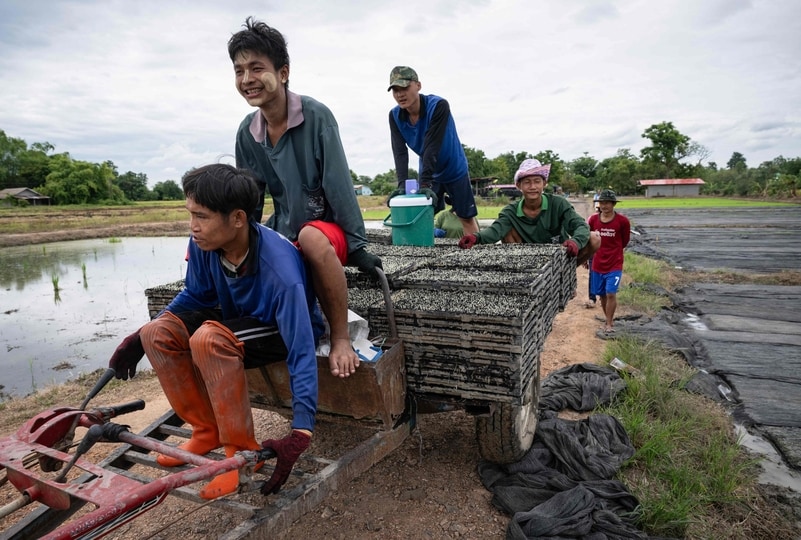
The Convention’s legal framework has demonstrated a remarkable ability to adapt — through interpretation, State practice, and regional instruments — without needing renegotiation. Yet calls to reopen or replace it have become more frequent. Critics argue a post WW-II treaty can’t adequately respond to protracted conflicts, mixed migration, climate-induced displacement, and growing national security concerns. These concerns deserve attention. But, reopening the Convention amid rising scepticism towards asylum risks weakening existing protections.
Also Read | UN sounds warning as refugee convention turns 75
The Convention does not establish a binding framework for equitable responsibility-sharing among States that can deliver durable solutions for refugees. As a result, neighbours of conflict-afflicted countries shoulder a disproportionate share of housing the displaced simply because of proximity. Recognising this, the New York Declaration for Refugees and Migrants was adopted in 2016, followed by the Global Compact on Refugees (2018), to affirm more predictable responsibility-sharing, strengthen international cooperation, and expand third-country resettlement and complementary pathways. Their success depends on whether States back these commitments with sustained political will, equitable responsibility-sharing and support for refugee-hosting countries.
A second challenge concerns the definition of a refugee under the Convention. While it has provided protection to millions fleeing persecution, many people displaced by generalised violence, State collapse, and the climate crisis fall outside its scope. Additional protection frameworks can respond to these emerging forms of displacement without weakening the Convention’s core guarantees.
Also Read | To save the asylum system, reform it
Although India is not a party to the Convention, it has provided refuge to Tibetan refugees, Sri Lankan Tamils, Chakmas, Afghans, and others through executive action, judicial intervention and constitutional protections — showing that refugee protection need not depend on treaty commitments alone, but can also be supported through administrative practice, judicial engagement, and humanitarian commitment. Its position, reflected in the Bangkok Principles, places it in a unique position to contribute to discussions on the future of refugee governance, as the geography of displacement shifts towards the Global South. The 1951 Convention is premised on a timeless principle: People fleeing persecution deserve protection grounded in law. Preserving that needs renewing the commitment that gave birth to it.
Vinai K Singh is an associate professor at JNU, and Jyoti Singh is an advocate based in Delhi and visiting faculty at the Indian Society of International Law. The views expressed are personal


