
 E-Paper



Who will speak in the House for the citizens?
Arbitrary suspensions of parliamentarians undermine the character of Parliament. Such actions hurt the soul of parliamentary democracy

 Prefer HTon Google


A record 146 members of Parliament (MPs) were suspended from Parliament within a span of 48 hours in the winter session. This is unprecedented, both in the way this exercise was carried out and the sheer number of MPs targeted. The intent of this article is not to draw further attention to the undemocratic suspensions but to a much more critical concern. When MPs get suspended, a set of denials follows them. They are refused permission to enter galleries, lobbies, and chambers; they cannot attend committee meetings (there are several committees in Parliament that every member is a part of); and, they also cannot join in official tours of the committee and other events during the period of suspension. Their daily allowance is also withheld for the duration of the suspension.
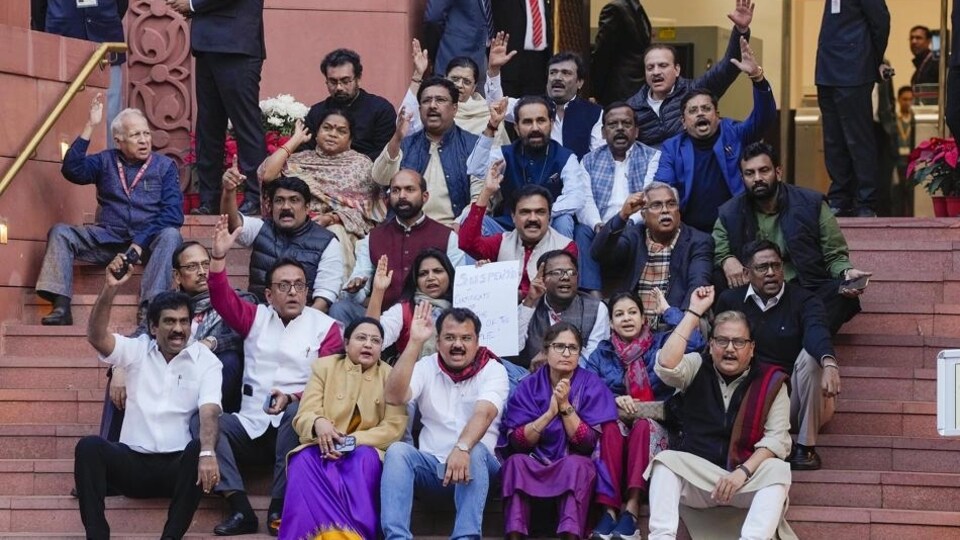
A key part of the punishment is that the suspended MPs are prohibited from posing questions and receiving answers in Parliament. Such a punishment goes beyond the MPs and the parties involved and directly hurts the voters who have sent them to Parliament to shape the contours of legislative proceedings. This newspaper wrote about 264 questions that had been listed in the Lok Sabha and the Rajya Sabha but were removed when the MPs got suspended.
I have argued on different platforms that parliamentary democracy relies on established norms and procedures. Arbitrary suspensions of parliamentarians undermine the very character of this venerable institution. Such actions hurt the soul of parliamentary democracy, which is still young in India. It weakens democratic institutions and fosters a perception that the government is choking democratic processes and established traditions that it is uncomfortable with. MPs often use parliamentary questions to represent the concerns and interests of their constituents. By seeking information and clarifications from government officials, they address the specific needs and issues faced by the people they represent. Moreover, responses to parliamentary questions often lead to debates and discussion, which helps in shaping public discourse on important matters and can help improve policies.
The records of House proceedings bear witness to the fact that questions by MPs have served as a check on the powers of the executive branch of the government. The requirement on the part of ministers to answer questions from MPs helps to maintain a balance of power between the legislature and the executive and prevents potential abuse of authority.
In my case, I had several questions, starred as well as unstarred, lined up. One of those questions was related to the issue of displacement of ad hoc teachers in the University of Delhi (DU) – hundreds of them have been teaching on contract for more than a decade. An honest answer to this could have influenced future recruitment policies not only in DU but in other universities as well. Following my suspension in the House, this and other questions by me were also suspended. Hundreds of questions from several MPs met the same fate.
Even the treasury benches, which read out the suspension resolutions, cannot deny that Parliament is a forum for open debate, where different political perspectives are expressed. Members who voted to throw out their peers from Parliament are essentially suppressing these debates, curtailing the Opposition’s ability to relay the concerns of their constituents and offer alternatives to policies or the legislative agenda. This became abundantly clear in the passage of different bills, particularly the set of three crime codes, without proper scrutiny.
Parliamentary questions are an essential aspect of the democratic process and play a crucial role in holding the government accountable. MPs use questions to probe government policies, their rationale and expected outcomes, and may help in providing suggestions that address anomalies if there are any. The starred and unstarred questions in Parliament are instruments to seek answers and clarifications with policy implications.
If thought through dispassionately, even the treasury benches would realise that punitive steps such as suspension from the House do irreparable damage to parliamentary democracy. All stakeholders who are part of such illogical decision-making should realise that parliamentary questions are a fundamental component of the democratic process, and foster accountability, transparency, and informed decision-making within the government. They provide a means for elected representatives to fulfil their roles as scrutineers and advocates for the interests of their constituents as well as for the larger polity.
Manoj Kumar Jha is a Rajya Sabha MP from Rashtriya Janata Dal. The views expressed are personal


