
 E-Paper



Why Air India’s overhaul plan has hit an air pocket
What is wrong with Air India and now, by proxy, the Tata group’s handling of it?

 Prefer HTon Google


Rahu and Ketu, the two “dashas” (phases) as per Hindu mythology, are phases that offer an opportunity for a transformative experience if one is able to overcome the obstacles and challenges one encounters during them with wisdom, balance and self-realisation. By all indications, India’s erstwhile national carrier Air India, now owned by Tata Sons, is undergoing an intense period where both phases appear to be occurring simultaneously, with several negative effects all around!
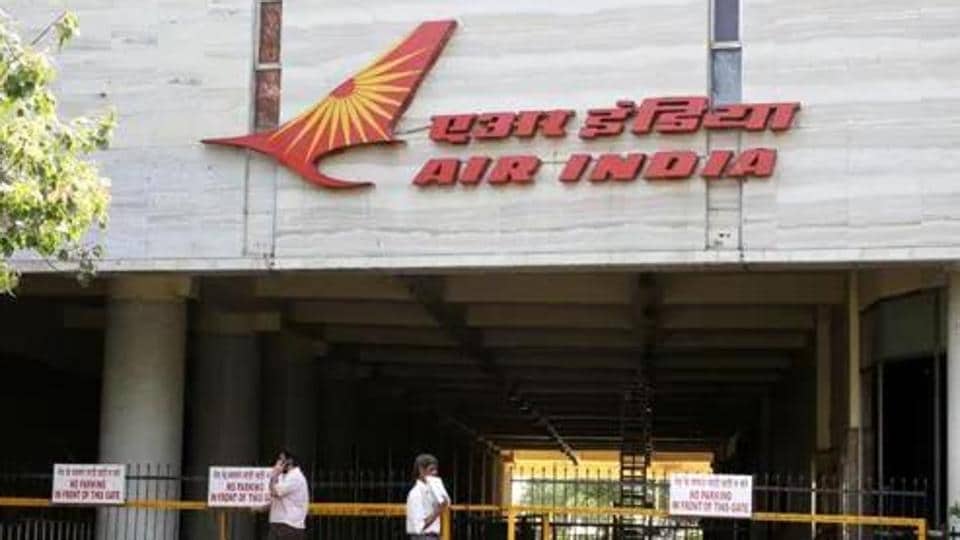
In the last fortnight, two incidents involving inordinate delays in Air India long-haul flights caught national attention even as the eyes and ears of the nation were focused on the exit polls and results of the 2024 Lok Sabha elections. In one case, passengers claimed to have felt faint as the aircraft remained parked on the runway prior to takeoff for several hours while the air conditioning malfunctioned in Delhi’s sizzling heat. In the second, a flight was delayed by nine hours due to a technical delay.
Coming as they did in close succession, the incidents attracted considerable interest as many in the industry and outside of it took to social media to express their inability to grasp this. What is wrong with Air India and now, by proxy, the Tata group’s handling of it? More than one government official — several of whom were against the privatisation — argued that “even the government was doing a better job of managing operations” and that things appeared to have gone from bad to worse under the private owner’s watch,
As with most things, it is a combination of factors and not one single reason why things are going awry. I’ll list what I have gleaned about the airline for readers in as succinct a manner as possible for those interested.
To begin with, as per my understanding from more than one person in the know, Tata Sons has not taken this headache off the government’s hands of its own volition, and it is something the group is now saddled with. Was Air India a coveted asset for a group, which already had two airlines it was grappling with, one of which (AirAsia India) was more of a struggle than anything else?
Two, Campbell Wilson is perhaps more of a compromise candidate suggested and accepted at the last minute by the new owners after the first pick from Turkish Airlines failed to fructify. While Wilson might be a great professional, he has neither the experience of handling a merger of this magnitude nor the understanding of working in an Indian environment and in an organisation as radically different from where he has cut his teeth. Putting myself in his shoes, must be mind-boggling!
Right from the takeoff stage, there has been a panicky sense of urgency to the whole exercise — chasing growth at all costs. A sense of immediacy has, in my view, thrown the invaluable introspection and careful planning required to pull off something like this out of the window. From the moment the Tata Sons. took charge, the country expected change overnight and those in charge rose to the bait. The result of this rush is the chaos we see today in operations and a slip in flying training standards, the most worrying aspect of all.
A consequence of this rush plus the need to keep a spy-like eye on the happenings while filling critical positions in the senior management has ensured that most of the top positions have been filled by Tata insiders, none of whom have any prior airline experience. While the new incumbents might be great professionals with stellar records, the airline business is a tricky one. This is where I think the airline will pay its heaviest price, if not in the immediate future, then over a longer period of time. The only two airlines in India that can be called successful — Jet and IndiGo — have both been run and managed by primarily airline professionals, right from the word go.
Three other aspects are concerning. One, too much of the focus of the team in charge appears to be on cosmetic changes — gimmicky videos on safety, new uniforms and looks, better food, and so on — with too little attention paid to the actual operations, rostering of pilots, improving ground operations, and focussing on improving training standards and procedures.
Two, in the garb of aiming for “nothing but the best,” money is being squandered like water. And while allegations of corruption may be unproven, similar allegations have dogged both the erstwhile national carrier and private airlines almost all through their history. Private sector corruption in the airline industry is alive, kicking and thriving, I am told.
A third worrisome aspect of the Air India turnaround remains the tendency of the senior management to rule from afar. I have pointed this out in several columns in the past as well, but aviation is not a business that can be controlled or managed from glass cabins and fancy chrome buildings. Those in charge need to step out of their comfort zones and be available, especially in times of crisis, to instruct and guide the ground staff. My sympathy lies entirely in these crisis situations with the ground staff, who are not in a position to take a snap decision to allay angry fliers and face the entire ire of irate passengers. There is no justification for this, and the top management is wholly and entirely to blame. Step out onto the battleground and see what your foot soldiers endure on a daily basis.
Anjuli Bhargava is a senior journalist who writes on governance issues. The views expressed are personal


