
 E-Paper



Japanese handicrafts bring the country’s art history alive
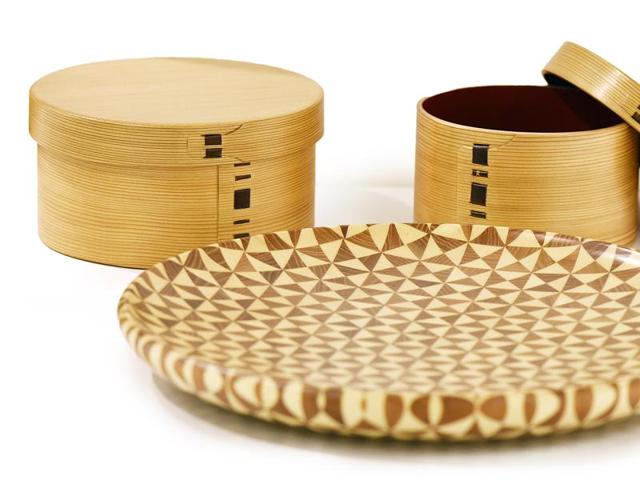
A tray and lunch boxes made out of cedar wood , that is cut into thin slices, soaked in water and joined together to make these objects. Photo by Raj K Raj / Hindustan Times) (Hindustan Times)
Updated on: Feb 20, 2016 9:35 AM IST


Share via


Copy link

1/13
 View Photos in a new improved layout
Updated on Feb 20, 2016 9:35 AM
A tray and lunch boxes made out of cedar wood , that is cut into thin slices, soaked in water and joined together to make these objects. Photo by Raj K Raj / Hindustan Times) (Hindustan Times)
2/13
 View Photos in a new improved layout
Updated on Feb 20, 2016 9:35 AM
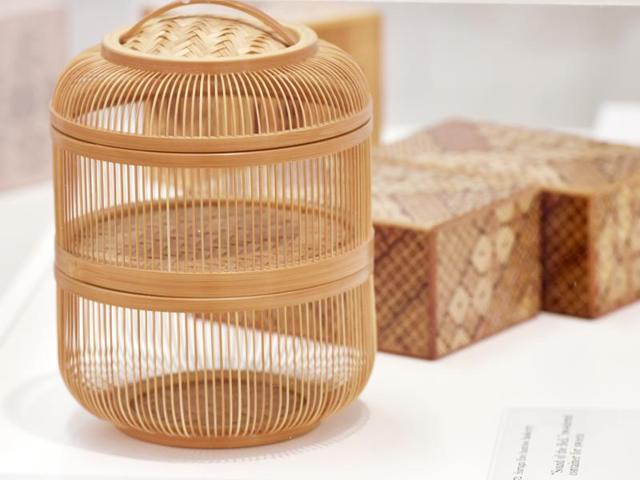
Insect cage and a secret box (in the background) made using the ancient art of marquetry that features delicate patterns by juxtaposing different colours and grains of natural wood. (Photo by Raj K Raj / Hindustan Times) (Hindustan Times)
3/13
 View Photos in a new improved layout
Updated on Feb 20, 2016 9:35 AM
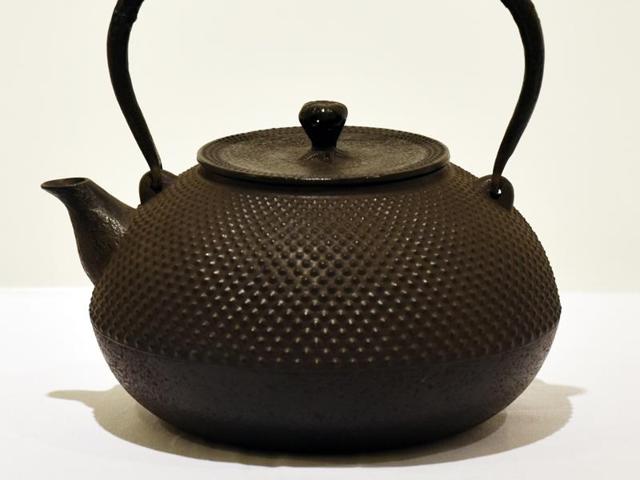
The Nanbu kettle, which is crafted by using molten metal that is poured into a sand mould. These are placed in a charcoal fire at 1652 degrees Fahrenheit. (Photo by Raj K Raj / Hindustan Times) (Hindustan Times)
4/13
 View Photos in a new improved layout
Updated on Feb 20, 2016 9:35 AM
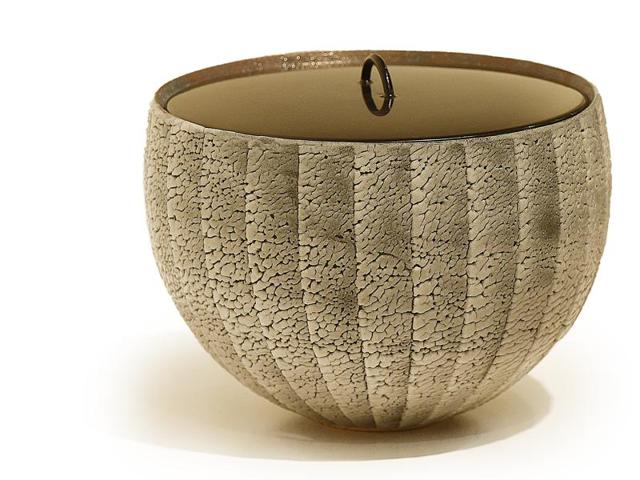
A bowl that is part of the Mino ware or stone ware collection at the exhibition. Here, the potter has created a bumpy surface called “sharkskin”. (Photo by Raj K Raj / Hindustan Times) (Hindustan Times)
5/13
 View Photos in a new improved layout
Updated on Feb 20, 2016 9:35 AM
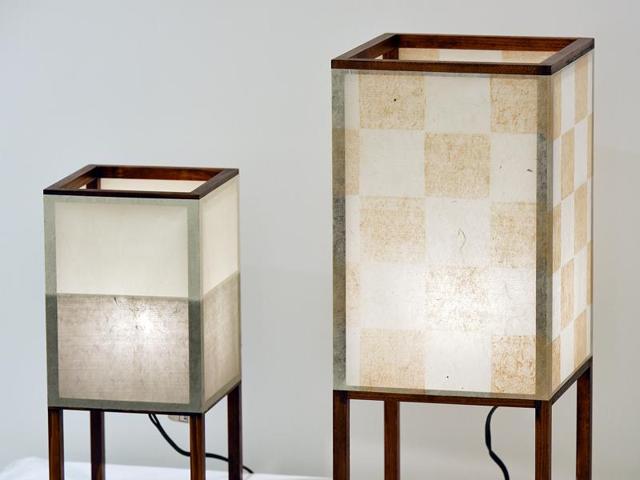
Lampshades made out of handmade paper. (Photo by Raj K Raj / Hindustan Times) (Hindustan Times)
6/13
 View Photos in a new improved layout
Updated on Feb 20, 2016 9:35 AM
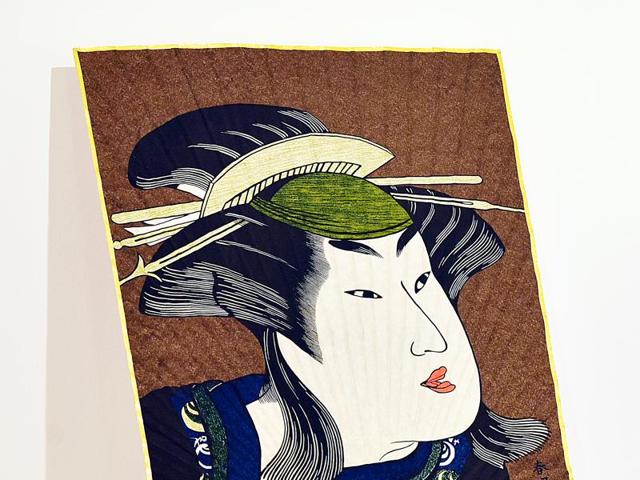
A Chinese-style non-folding fan, made out of handmade paper. (Photo by Raj K Raj / Hindustan Times) (Hindustan Times)
7/13
 View Photos in a new improved layout
Updated on Feb 20, 2016 9:35 AM
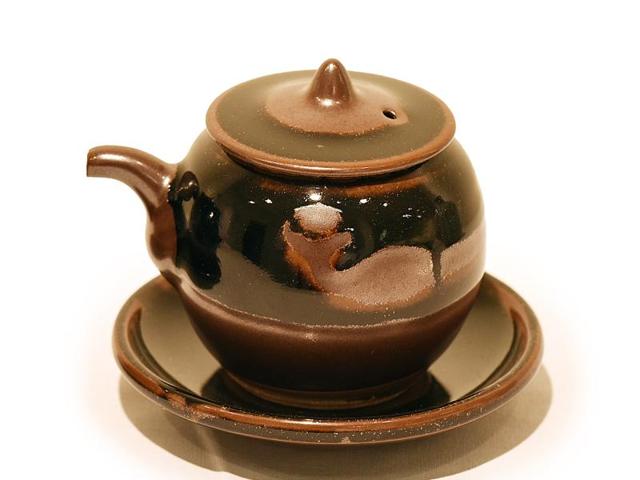
A soy sauce jug made out of iron-rich clay of Kasama area. (Photo by Raj K Raj / Hindustan Times) (Hindustan Times)
8/13
 View Photos in a new improved layout
Updated on Feb 20, 2016 9:35 AM
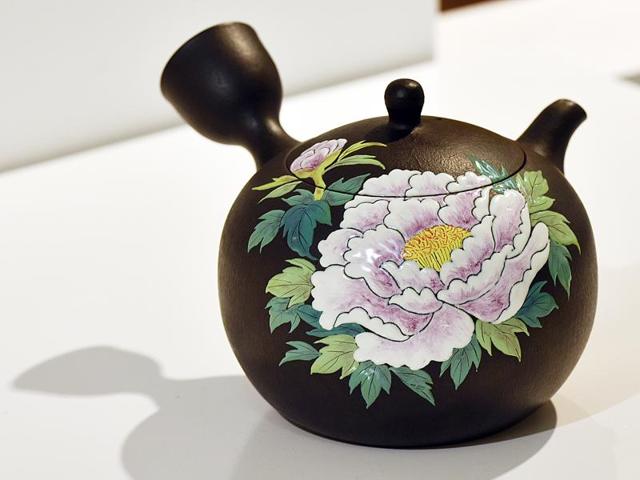
A Banko ware teapot with pottery design in relief. (Photo by Raj K Raj / Hindustan Times) (Hindustan Times)
9/13
 View Photos in a new improved layout
Updated on Feb 20, 2016 9:35 AM
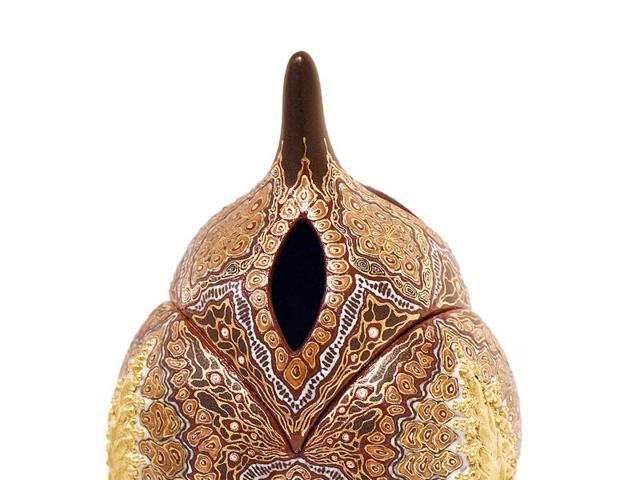
An incense burner in overglaze enamels and gold. The design is based on the Yokkaichi relief technique. (Photo by Raj K Raj / Hindustan Times) (Hindustan Times)
10/13
 View Photos in a new improved layout
Updated on Feb 20, 2016 9:35 AM
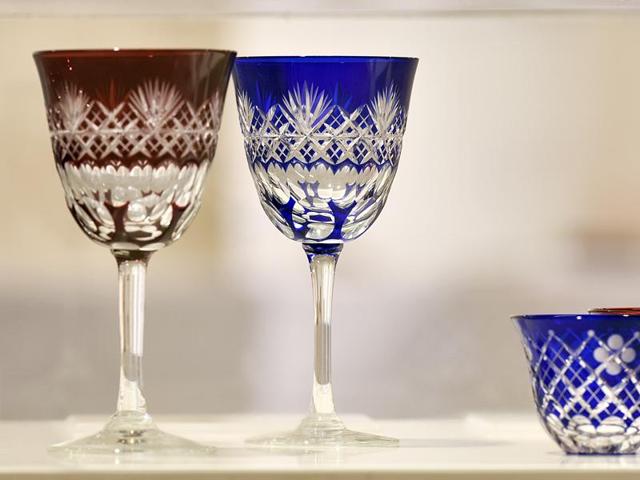
The Edo cut glass is made by carving sharp patterns into the clear, colourless surface of glass. (Photo by Raj K Raj / Hindustan Times) (Hindustan Times)
11/13
 View Photos in a new improved layout
Updated on Feb 20, 2016 9:35 AM
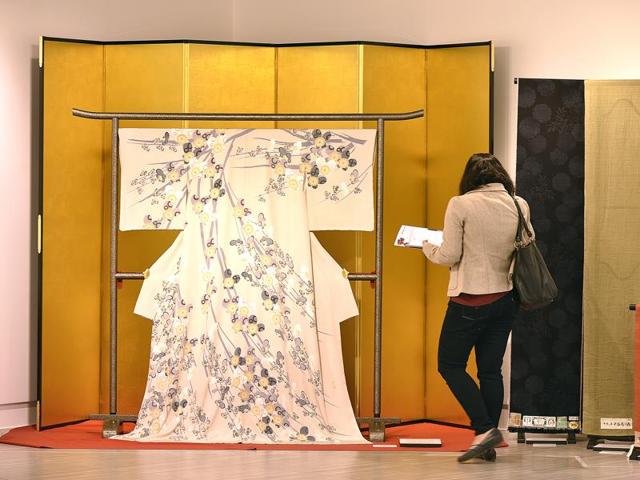
(Photo by Raj K Raj / Hindustan Times)
12/13
 View Photos in a new improved layout
Updated on Feb 20, 2016 9:35 AM
HT Image
13/13
View Photos in a new improved layoutUpdated on Feb 20, 2016 9:35 AM


