
 E-Paper



Photos: Art spruces up colonial-era buildings in Dakar neighbourhood
Dakar’s working-class Medina neighbourhood has its roots in Senegal's colonial past, when in 1914 French authorities moved black people from central Dakar's Plateau neighbourhood, according to historian Ibrahima Thioub. Since then, the tight-knit community has nurtured artists across generations and has retained its identity even as new migrants moved in from the countryside.
Updated on: Jan 22, 2020 6:53 PM IST


Share via


Copy link

1/9
 View Photos in a new improved layout
Updated on Jan 22, 2020 6:53 PM
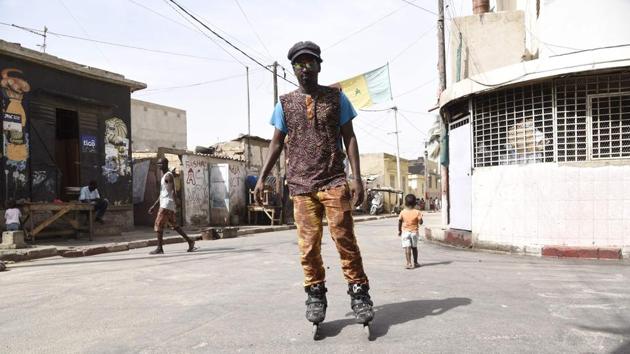
Mamadou Boye Diallo, an art curator with a penchant for heart-shaped glasses, calls Dakar’s working-class Medina neighbourhood an open-air museum. Flitting on rollerblades between colourful murals in this part of the West African metropolis, Diallo, who is also a guide to the area, points to works by artists from all over the world. (Seyllou / AFP)
2/9
 View Photos in a new improved layout
Updated on Jan 22, 2020 6:53 PM
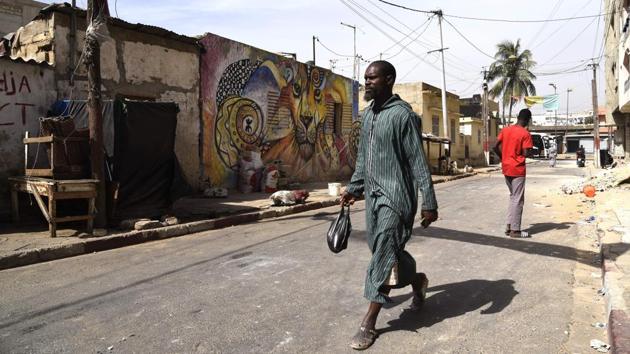
Diallo heads an association which aims to use murals to save fading colonial-era buildings from destruction and to make art accessible to all—not just “guys in suits and ties”. The result is beautiful, if jarring. Swirling tableaux of geometrical or animal motifs enliven the walls in an otherwise nondescript cityscape. (Seyllou / AFP)
3/9
 View Photos in a new improved layout
Updated on Jan 22, 2020 6:53 PM
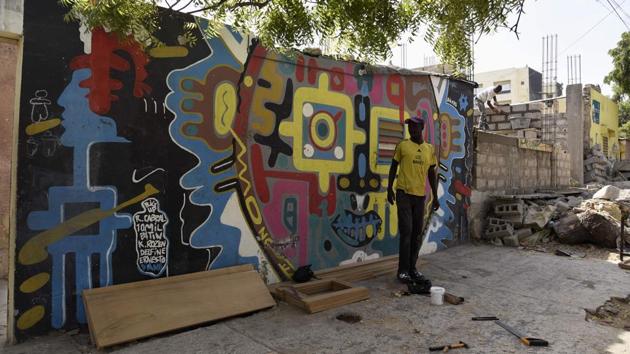
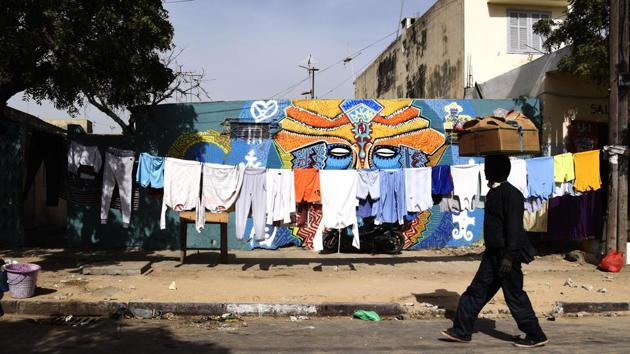
One mural features a fist raised against a hypnotic-blue background, for example. Underneath it, carpenters work steadily at wood pallets. Another mural has two mysterious women set against brilliant indigos and azures staring into the distance. A real-life cow rummages on the ground at their feet. (Seyllou / AFP)
4/9
 View Photos in a new improved layout
Updated on Jan 22, 2020 6:53 PM
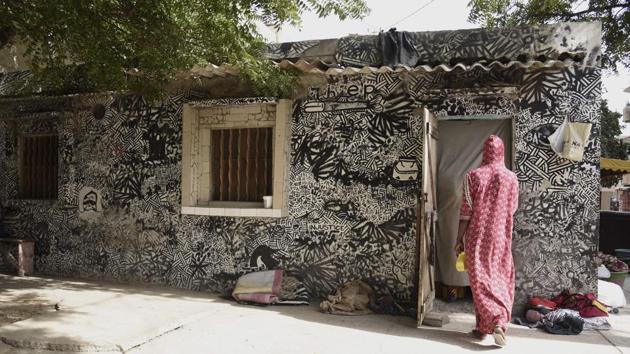
A resident enters her home with graffiti on her walls. Diallo and some associates started the association Yataal Art—which means “expand art” in the Wolof language—in 2010. They were initially asking artists to decorate walls. But now artists are coming to them, Melodie Petit, the associations’ vice-president told AFP. (Seyllou / AFP)
5/9
 View Photos in a new improved layout
Updated on Jan 22, 2020 6:53 PM
Petit added that artists approach families and ask permission before painting, often offering them dinner in return. “It’s not a contract with a motorway company or a commercial sign. It’s really a human contact,” she said. (Seyllou / AFP)
6/9
 View Photos in a new improved layout
Updated on Jan 22, 2020 6:53 PM
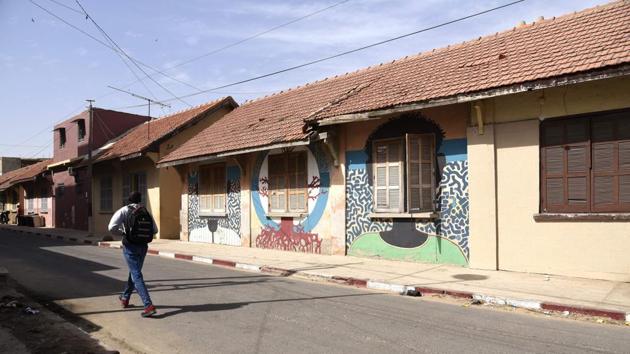
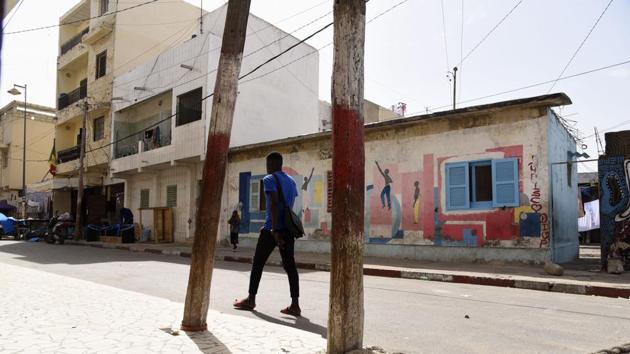
A man walks past murals. The group is also seeking to protect Medina’s old colonial-era buildings from a construction boom that is transforming Dakar. “While the Plateau was sleeping at night, Medina was waking up,” historian Ibrahima Thioub told AFP. World-renowned Senegalese singer Youssou N’Dour is from Medina, for example, and painter Kre M’Baye kept his studio there. (Seyllou / AFP)
7/9
 View Photos in a new improved layout
Updated on Jan 22, 2020 6:53 PM
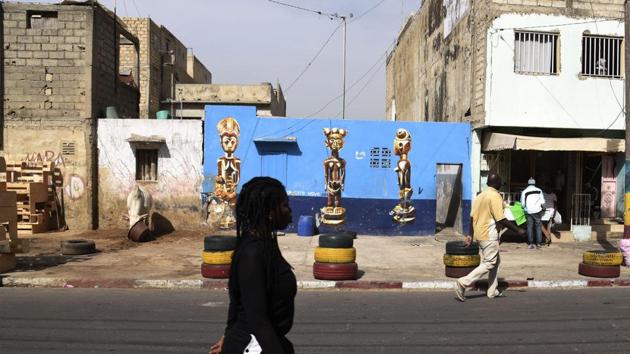
But change is coming to Medina, as rents skyrocket and large retailers set up shop. Sociologist Djiby Diakhate said residents at one time all knew one another and shared strong values. “Nostalgic people can’t find their way around now,” he told AFP. Guide Diallo wants to save the soul of the neighbourhood from “certain groups of elitists” who come as developers. (Seyllou / AFP)
8/9
 View Photos in a new improved layout
Updated on Jan 22, 2020 6:53 PM
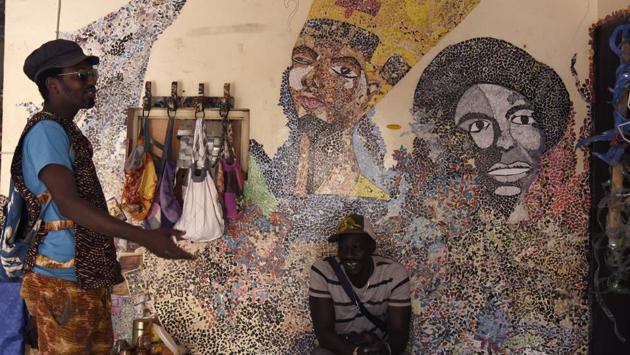
Mamadou Boye Diallo (L) speaks with a friend. Painting the walls of old colonial buildings is meant to save them. “We started little by little, now there are nearly 90 murals,” Diallo said. In many settings, murals are likely to cause hostility as well as popularity, but in this case, the majority of local people interviewed by AFP said they liked the art. (Seyllou / AFP)
9/9
 View Photos in a new improved layout
Updated on Jan 22, 2020 6:53 PM


