
 E-Paper



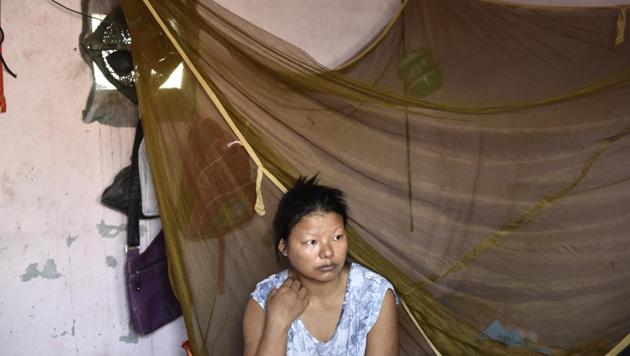
A home away from home: Burmese, Afghan, Somali refugees in Delhi
Delhi is home to about half of the 24,000 refugees and 9,000 asylum seekers — mostly Somalis, Syrians, Afghans, Burmese — registered with UNHCR in India. (Saumya Khandelwal/HT Photo)
Updated on: Mar 21, 2017 5:40 PM IST

Share via


Copy link

1/9
 View Photos in a new improved layout
Updated on Mar 21, 2017 5:40 PM
Delhi is home to about half of the 24,000 refugees and 9,000 asylum seekers — mostly Somalis, Syrians, Afghans, Burmese — registered with UNHCR in India. (Saumya Khandelwal/HT Photo)
2/9
 View Photos in a new improved layout
Updated on Mar 21, 2017 5:40 PM
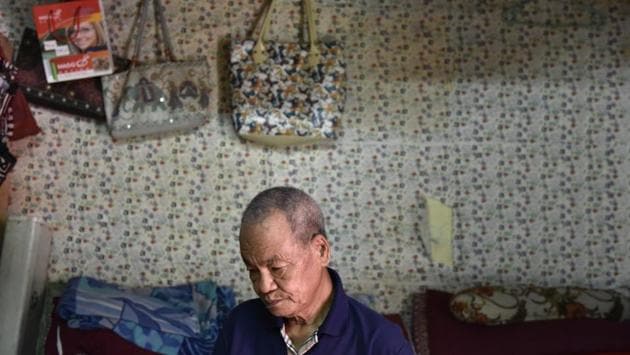
Bodella in west Delhi is home to about 4,000 Chin refugees from Myanmar. Lian Khawen, 77, who came to India in 2010 lives in a one-room house with his wife, son and daughter. He says he fled Burma after facing persecution at the hands of the military junta. (Saumya Khandelwal/HT PHOTO)
3/9
 View Photos in a new improved layout
Updated on Mar 21, 2017 5:40 PM
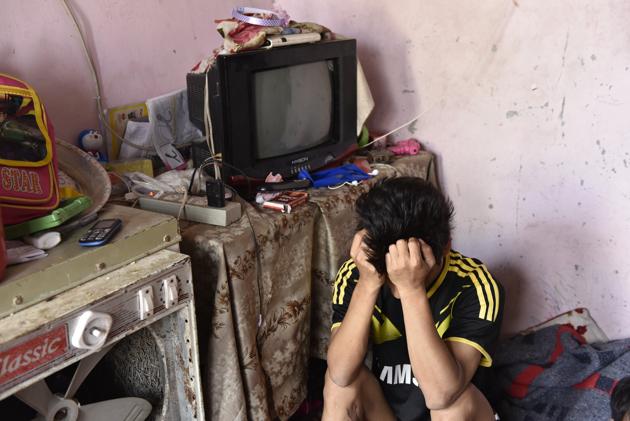
Joseph Khar, 32, who lives with his wife in a cramped room in a narrow lane in Bodella, suffers from Hepatitis-C. He is immobile and the family survives on a subsistence allowance of Rs 3,800 from UNHCR. (Saumya Khandelwal/HT PHOTO)
4/9
 View Photos in a new improved layout
Updated on Mar 21, 2017 5:40 PM
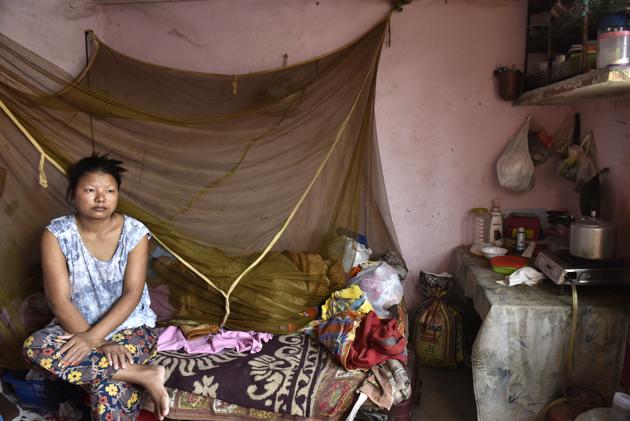
Khar’s wife, Ngaideilum, wishes she had a job to support him and her five-year-old daughter. But for refugees, finding a job is difficult -- the only documentation they have is a UNHCR card, so the only jobs they get are in the informal sector. (Saumya Khandelwal/HT PHOTO)
5/9
 View Photos in a new improved layout
Updated on Mar 21, 2017 5:40 PM
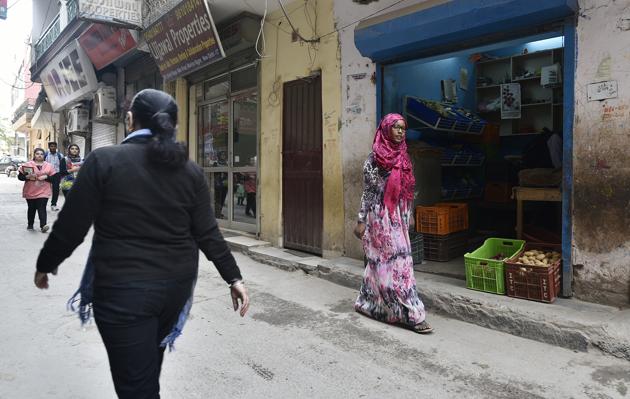
Sadio Sheikh, 28, a refugee from Somalia, completed her post graduation in medical laboratory technology. Though she applied for many jobs, she never got through. “One of the biggest problems we face here is that we are mistaken as Nigerians,” she says. (Vipin Kumar/HT PHOTO)
6/9
 View Photos in a new improved layout
Updated on Mar 21, 2017 5:40 PM
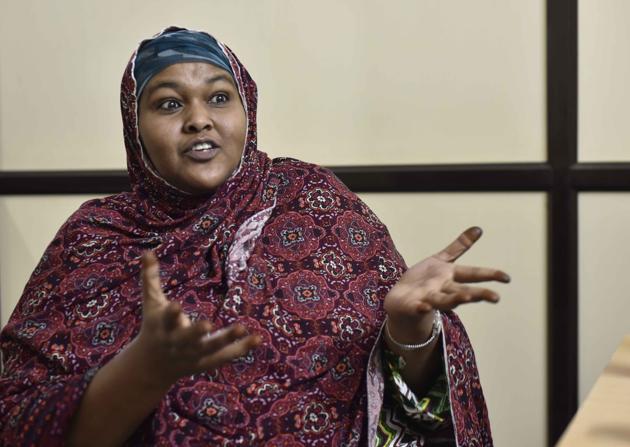
But amid hardship, there is hope. Shukri Aden , 47, came to India two years back after her husband and daughter were killed in the conflict. She lives in Wazirabad, earns through odd jobs, and her children study in a government school here. “If possible I want to live in India forever. I feel loved and safe in this country,” she says. (Vipin Kumar/HT PHOTO)
7/9
 View Photos in a new improved layout
Updated on Mar 21, 2017 5:40 PM
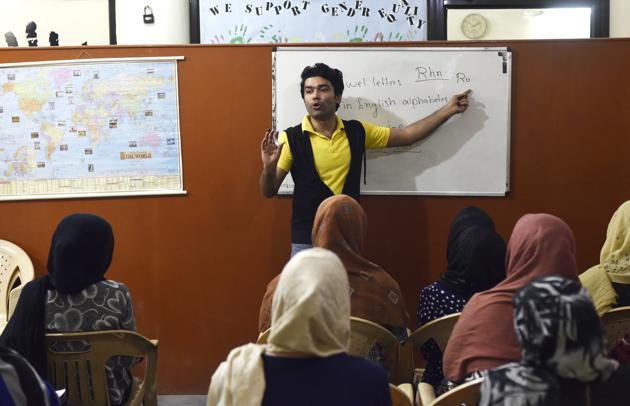
Abdul Wali Ahadi, 22, is a refugee from Afghanistan. Ahadi says one of the biggest problems of young refugees is lack of education and job opportunities.“No university was willing to give me admission because I did not have documents,” he says. (Vipin Kumar/HT PHOTO)
8/9
 View Photos in a new improved layout
Updated on Mar 21, 2017 5:40 PM
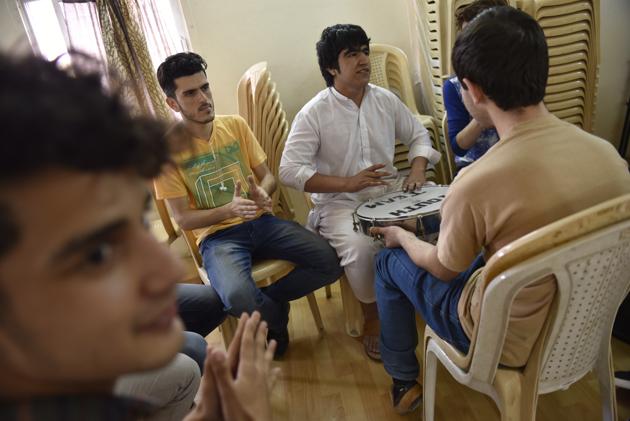
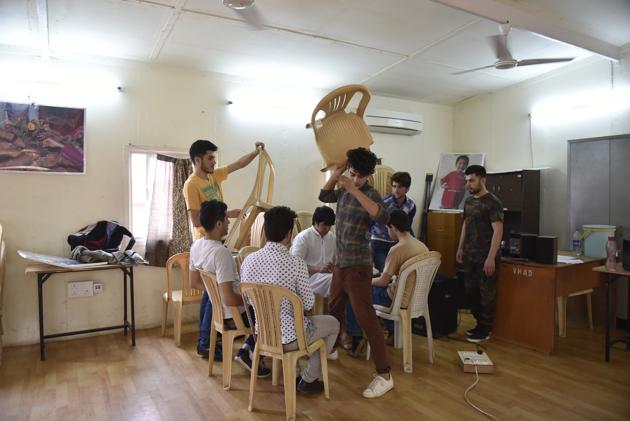
Refugee Assistant Centres run by UNHCR’s partner organisations are trying to help refugees bridge the social handicap. At one such centre in Vikaspuri, a group of young refugees from Afghanistan sing songs. (Saumya Khandelwal/HT PHOTO)
9/9
 View Photos in a new improved layout
Updated on Mar 21, 2017 5:40 PM


