
 E-Paper



Photos: South India’s wildlife comes alive in a new book of photographs
Known naturalists Surya Ramachandran and David Raju’s new book, “Photographic Field Guide – Wildlife of South India,” is a comprehensive field guide comprising all mammals, birds, butterflies, dragonflies, reptiles and amphibians of the six states (Tamil Nadu, Kerala, Karnataka, Goa, Andhra Pradesh and Telangana) of South India. The book covers 1,920 species belonging to the six taxa using 1,850 photographs contributed by around 280 photographers from India and abroad.
Updated on: Jan 30, 2021 3:16 PM IST


Share via


Copy link

1/8
 View Photos in a new improved layout
Updated on Jan 30, 2021 3:16 PM
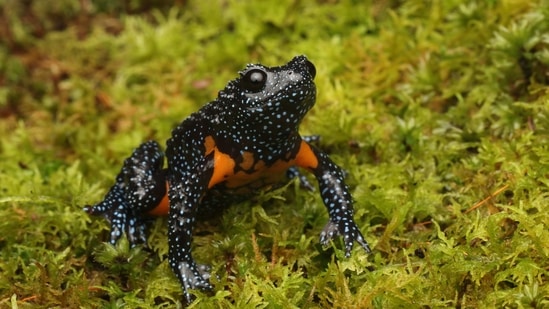
An extremely rare species, the galaxy frog faces the main threat from the conversion of forested areas to cultivated land. (Photo by David Raju)
2/8
 View Photos in a new improved layout
Updated on Jan 30, 2021 3:16 PM
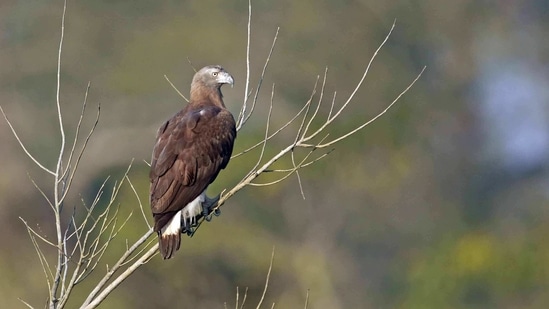
The grey-headed fish eagle is a fish-eating bird of prey from South East Asia with a moderately small population. (Photo by Surya Ramachandran)
3/8
 View Photos in a new improved layout
Updated on Jan 30, 2021 3:16 PM
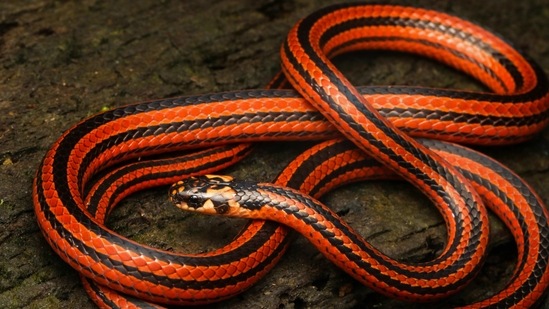
A striped coral snake. The book, "Photographic Field Guide – Wildlife of South India" covers all mammals, birds, butterflies, dragonflies, reptiles and amphibians of India's six southern states (Tamil Nadu, Kerala, Karnataka, Goa, Andhra Pradesh and Telangana). (Photo by David Raju)
4/8
 View Photos in a new improved layout
Updated on Jan 30, 2021 3:16 PM
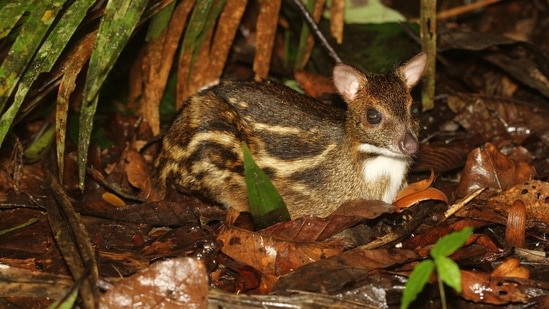
Among the 12 species of deer found in India, the mouse deer is the smallest, and they live a fairly reclusive life in the forest. (Photo by David Raju)
5/8
 View Photos in a new improved layout
Updated on Jan 30, 2021 3:16 PM
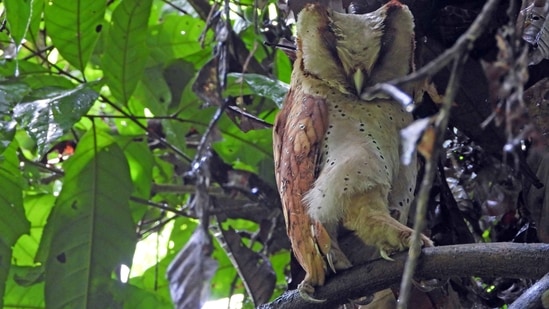
A relatively small owl with rounded wings, the Sri Lanka Bay Owl is uncommon and known to breed in hollow trees. (Photo by Surya Ramachandran)
6/8
 View Photos in a new improved layout
Updated on Jan 30, 2021 3:16 PM
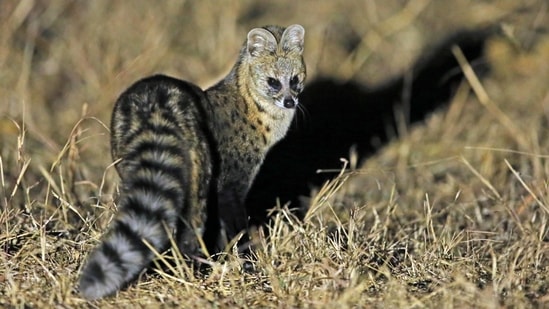
Found all over India, in 2008, a small Indian civet was recorded for the first time in Jammu and Kashmir’s Dachigam National Park. They are nocturnal, mostly terrestrial and insectivorous. (Photo by Surya Ramachandran)
7/8
 View Photos in a new improved layout
Updated on Jan 30, 2021 3:16 PM
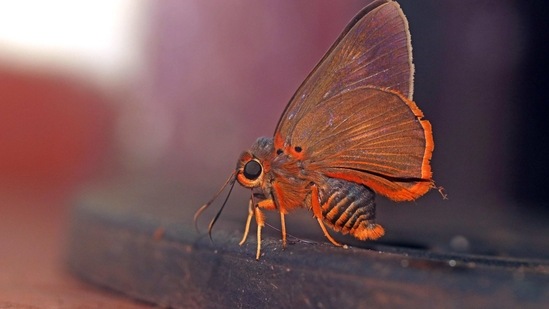
Burara jaina, the orange awlet, is a species of hesperid butterfly found in Asia. (Photo by Surya Ramachandran)
8/8
 View Photos in a new improved layout
Updated on Jan 30, 2021 3:16 PM


