
 E-Paper



Photos: At akhadas, ancient wrestling helps some grapple at a future
In akhadas or wrestling hostels in Delhi and Haryana, hulking men devote themselves full-time to kushti, the ancient Indian style of wrestling. Following ascetic customs dictating diet and lifestyle, the wrestlers, seek athletic glory in the form of an Olympic medal or more realistically a means of money through wrestling fixtures, employment in a government job or simply respect.
Updated on: Dec 13, 2017 12:01 PM IST


Share via


Copy link

1/10
 View Photos in a new improved layout
Updated on Dec 13, 2017 12:01 PM
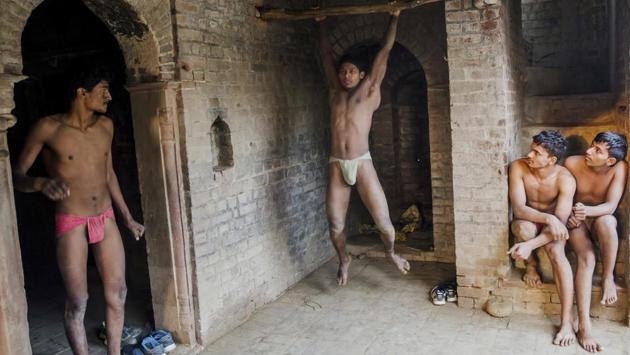
Kushti wrestlers warm up during their daily training at an akhada in Bahadurgarh, Haryana. Like many traditions in rapidly modernizing India, the ancient style of kushti wrestling faces the threat of being left behind. But for many poor families, success in this sport provides a glimmer of hope in the form of money, respect in their communities and even a secure livelihood through particular jobs. (Dar Yasin / AP)
2/10
 View Photos in a new improved layout
Updated on Dec 13, 2017 12:01 PM
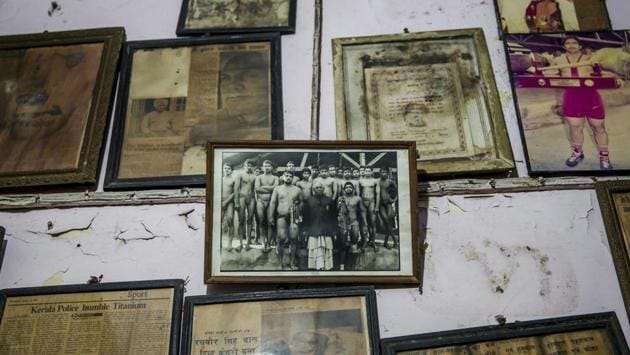
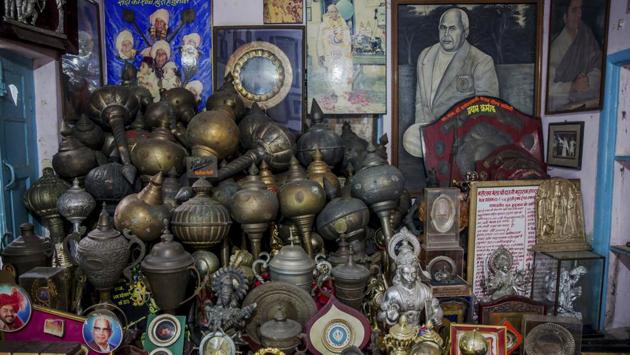
Photographs and certificates marking kushti accolades are displayed on a wall at Guru Hanuman Akhada, one of India’s oldest at Sabzi Mandi, in New Delhi. The sport, thought to be 2,000 years old is mentioned in ancient Hindu texts and depicted in temple carvings. Although women wrestlers have made strides recently in India, the vast majority of its participants are men. (Dar Yasin / AP)
3/10
 View Photos in a new improved layout
Updated on Dec 13, 2017 12:01 PM
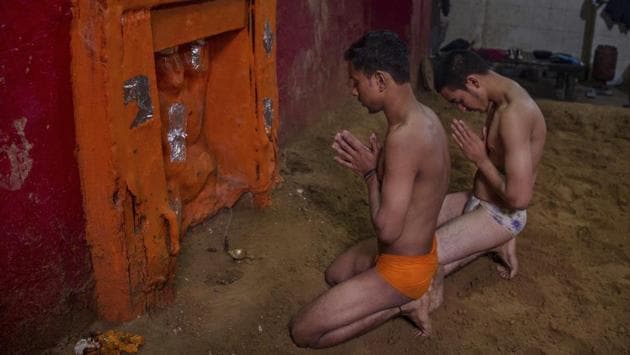
Kushti wrestlers or pehelwans pray near a temple to Hanuman --seen as a kind of patron saint to the sport-- before starting the day’s training at Guru Hanuman Akhada. As dawn wanes, these devotees, make good on a commitment that extends beyond the hours they spend practicing each morning and evening. (Dar Yasin / AP)
4/10
 View Photos in a new improved layout
Updated on Dec 13, 2017 12:01 PM
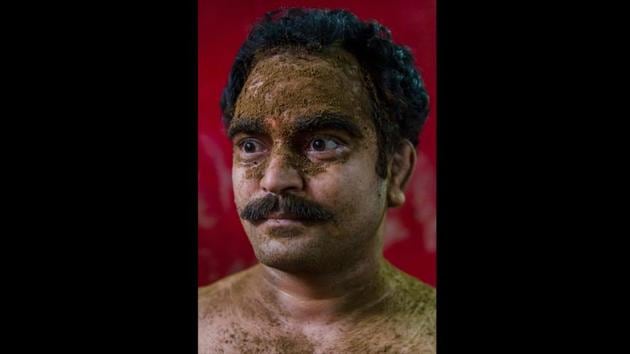
Uday Shiv, a kushti wrestler, is seen caked with earth from a kushti pit, during his daily training in New Delhi. The pehelwans live an ascetic lifestyle, eating specific foods like almond milkshakes and chapattis slathered with ghee. They don’t eat meat and refrain from smoking, drinking and dating. (Dar Yasin / AP)
5/10
 View Photos in a new improved layout
Updated on Dec 13, 2017 12:01 PM
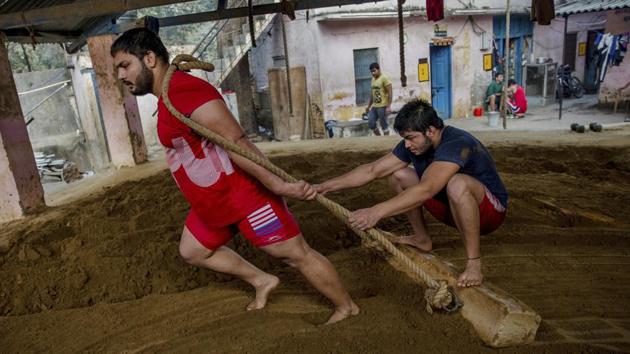
Wrestlers circle the arena dragging a thick piece of wood to level the earth in the ring for a training session as others crush almonds with a large mortar and pestle in the background, at Hanuman Akhada. About 25 resident pehelwans here, most of them in their 20s and early 30s train full-time vying for Olympic glory or even employment by the police force or railways. (Dar Yasin / AP)
6/10
 View Photos in a new improved layout
Updated on Dec 13, 2017 12:01 PM
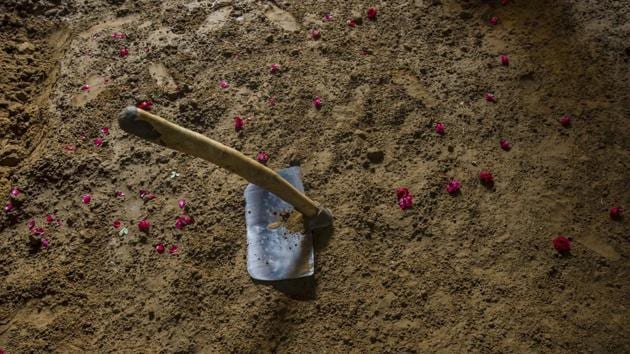
The earth is turned over and mixed with sawdust, turmeric and ghee making it mildly fragrant, soft to the touch and easier on the wrestlers’ skin. Jai Prakash, a former Olympic wrestler, and president of the Delhi Amateur Wrestling Association, says land and sponsorship needed for new akhadas are hard to come by. “Wrestling bouts in villages used to be like the festival season, with a joyous mood and crowds celebrating victories of their favorite wrestlers,” he recalls. (Dar Yasin / AP)
7/10
 View Photos in a new improved layout
Updated on Dec 13, 2017 12:01 PM
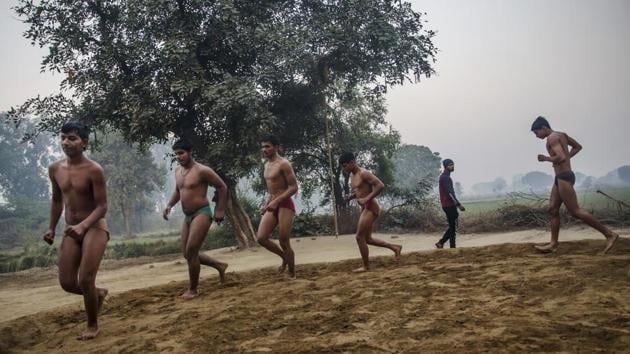
Wrestlers practice at an akhada at Bahadurgarh, Haryana. Coach Hemand Kumar, 35, recalls starting at age 10; getting up before dawn to watch his father wrestle. The boys who take it up are saved from “the nonsense” of the streets, he says. But kushti’s future is uncertain faced with a rapidly rising middle class. “The rich kids, they don’t want to do it,” he says. “Those people who don’t have the money, they’re interested. But they don’t have the resources.” (Dar Yasin / AP)
8/10
 View Photos in a new improved layout
Updated on Dec 13, 2017 12:01 PM
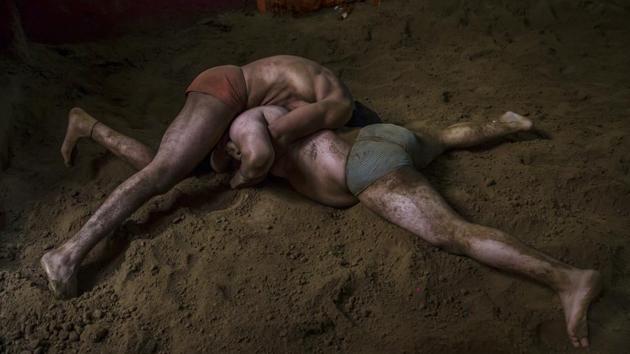
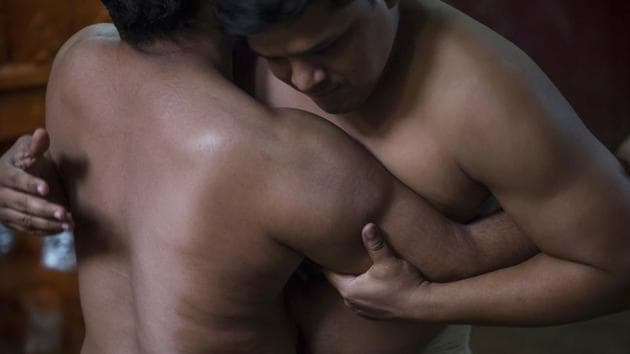
Pehelwans battle it out in the ring at Hanuman Akhada. Under a coach’s watchful eye, they lock arms, lunging for their opponents’ legs as they try to flip them onto their backs and into submission. Many Indian wrestlers start out in the pit and later gain proficiency on a mat --the standard arena for most international bouts. (Dar Yasin / AP)
9/10
 View Photos in a new improved layout
Updated on Dec 13, 2017 12:01 PM
Sitting back watching the men practice is coach Naveen Mor, who has won a number of international fixtures and attributes his job with the Haryana state police to his wrestling prowess. Having cut down on wrestling himself, he remains optimistic for kushti –his first love. “No working. No shopping,” he says with a grin. “Only wrestling, wrestling, wrestling. My life is wrestling. I love wrestling.” (Dar Yasin / AP)
10/10
 View Photos in a new improved layout
Updated on Dec 13, 2017 12:01 PM


