
 E-Paper



Photos: Hundreds of thousands laid off despite post-GST growth
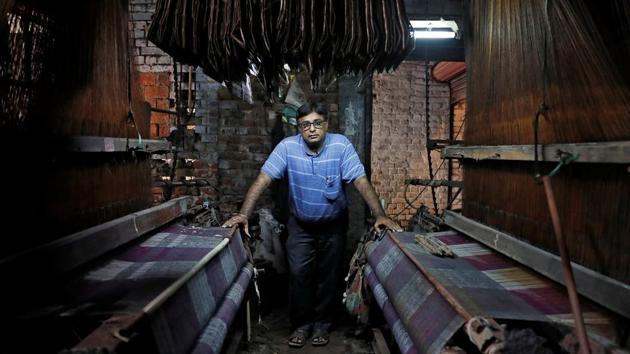
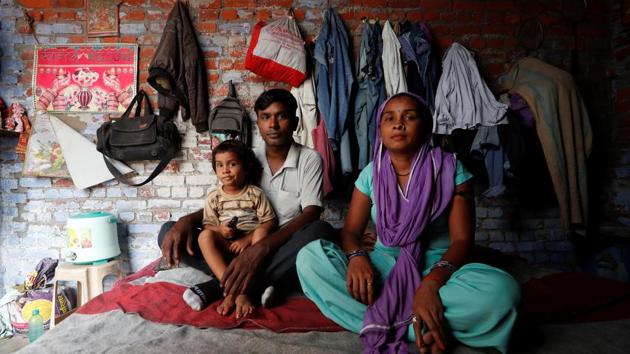
Tilak Raj Bathla's tiny weaving factory is one of the few still humming on a once busy road in Panipat, known as the country's "handloom city". India launched the Goods and Services Tax (GST) just over a year ago, aiming to replace more than a dozen federal and state levies and unify the sprawling economy. The move improved economic efficiency but critics say the complexities of the new regime have driven many small enterprises out of business and forced hundreds of thousands out of jobs.
Updated on: Sep 07, 2018 5:02 PM IST

Share via


Copy link

1/13
 View Photos in a new improved layout
Updated on Sep 07, 2018 5:02 PM
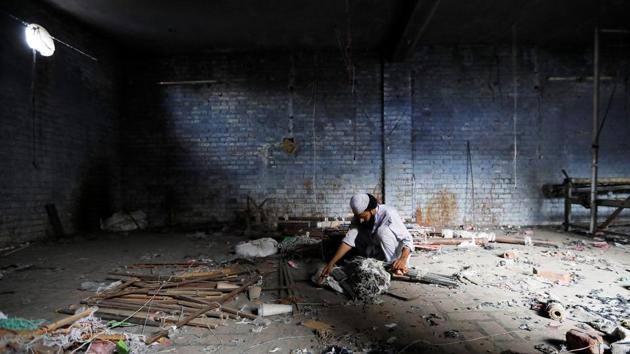
A scrap dealer searches for useful material at a weaving factory that was shut a year ago, in Panipat, Haryana. India launched the Goods and Services Tax (GST) just over a year ago, its biggest ever tax reform, aiming to replace more than a dozen federal and state levies and unify the sprawling economy. (Adnan Abidi / REUTERS)
2/13
 View Photos in a new improved layout
Updated on Sep 07, 2018 5:02 PM
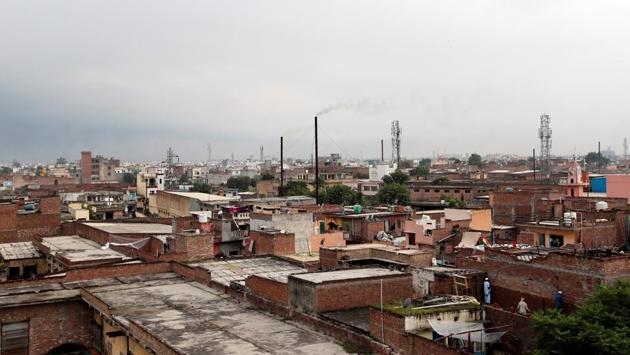
A general view shows an industrial area in Panipat. The move improved economic efficiency but critics say the complexities of the new regime have driven many small enterprises out of business and forced hundreds of thousands out of jobs. (Adnan Abidi / REUTERS)
3/13
 View Photos in a new improved layout
Updated on Sep 07, 2018 5:02 PM
Tilak Raj Bathla, 50, is the owner of a weaving factory. His tiny factory is one of the few still humming. “I have a GST registration, but I can't work as my vendors and buyers are unable to comply with a complex tax structure,” Bathla said, adding his monthly sales had fallen to about 250,000 rupees from about one million rupees before the GST. (Adnan Abidi / REUTERS)
4/13
 View Photos in a new improved layout
Updated on Sep 07, 2018 5:02 PM
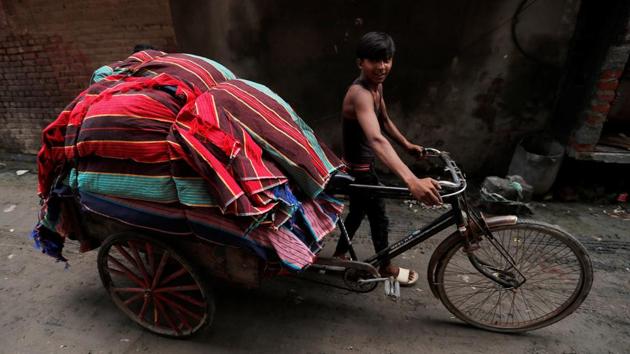
A man carries rugs on a rickshaw in an industrial area in Panipat. Bathla also said that his neighbours, most of them unschooled, could not comply with monthly online filings required under the GST regime. (Adnan Abidi / REUTERS)
5/13
 View Photos in a new improved layout
Updated on Sep 07, 2018 5:02 PM
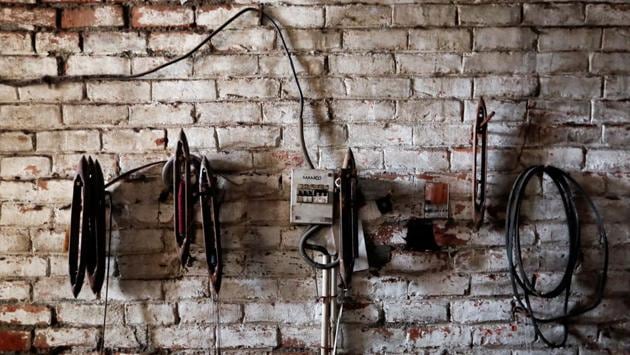
Parts of a powerloom machine are seen inside a weaving factory, which was shut earlier this year. Some of his customers and suppliers could not afford to hire accountants to navigate a system which has been amended more than 200 times already, while others struggled to cope with delays in tax returns caused by glitches in the centralised software. (Adnan Abidi / REUTERS)
6/13
 View Photos in a new improved layout
Updated on Sep 07, 2018 5:02 PM
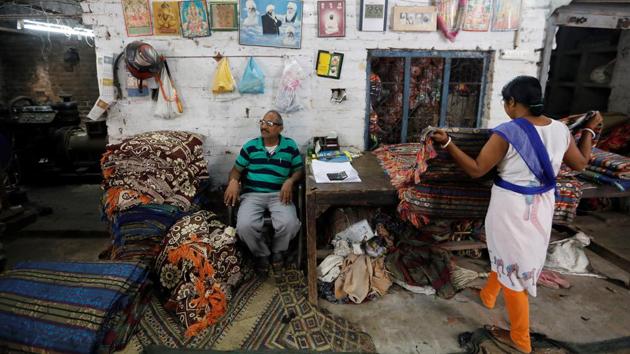
Bharat Lal (L) who lost his job as a powerloom operator at a weaving factory earlier this year now works as a clerk in a factory in Panipat. "It's really getting very difficult for us to survive now, I have a son who is still in school and I'm really worried about his future. I want to save as much as I can for his studies," Lal said. (Adnan Abidi / REUTERS)
7/13
 View Photos in a new improved layout
Updated on Sep 07, 2018 5:02 PM
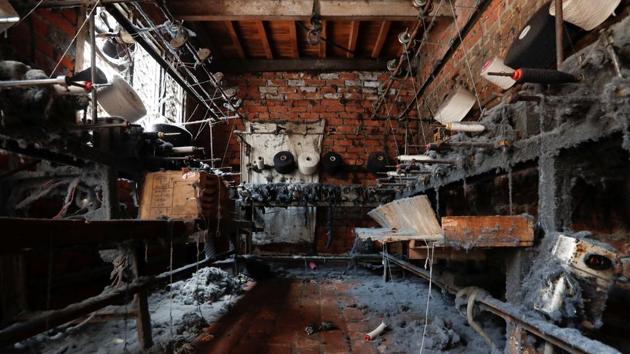
Dust-covered winding machines are seen inside a weaving factory. The government has said it is simplifying the tax measure to make it accessible to everyone. Finance Ministry spokesman D.S. Malik said requests from small businesses have been considered “from time to time.” But he declined to comment on job losses. (Adnan Abidi / REUTERS)
8/13
 View Photos in a new improved layout
Updated on Sep 07, 2018 5:02 PM
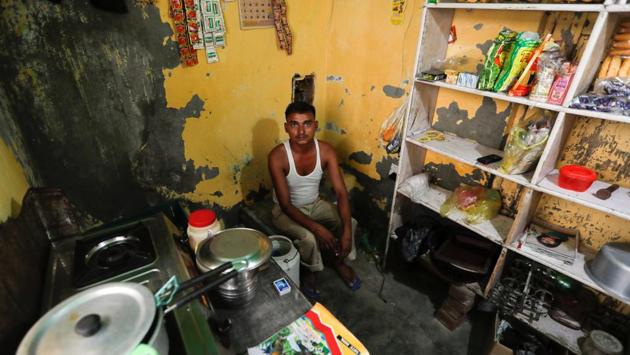
Raj Narayan, who lost his job as a powerloom operator earlier this year, now runs this tea shop in Panipat. "I sent my family back to the village because I am not earning like I used to and it was getting very difficult to support them and bear the expenses," Narayan said. (Adnan Abidi / REUTERS)
9/13
 View Photos in a new improved layout
Updated on Sep 07, 2018 5:02 PM
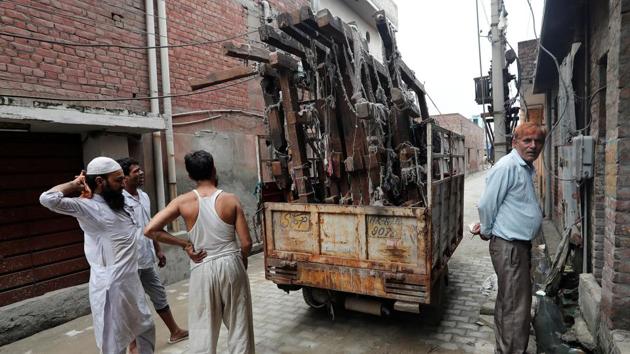
Scrap dealers load dismantled powerloom machines outside a weaving factory. India’s economy gathered pace in the April-June quarter, expanding 8.2% compared to 5.6% a year earlier. Economists said the number was coming off a low base as companies held off production in the period ahead of GST implementation last year. (Adnan Abidi / REUTERS)
10/13
 View Photos in a new improved layout
Updated on Sep 07, 2018 5:02 PM
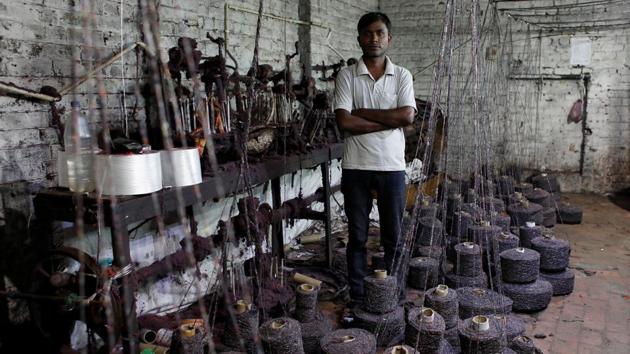
Ram Pratap, who lost his job as a powerloom operator, at the factory where he worked. A survey by the All India Trade Union Congress (AITUC) in July found that a fifth of India’s 63 million small businesses – contributing 32% to the economy and employing 111 million people - faced a 20% fall in profits since GST rollout, and had to sack hundreds of thousands of workers. (Adnan Abidi / REUTERS)
11/13
 View Photos in a new improved layout
Updated on Sep 07, 2018 5:02 PM
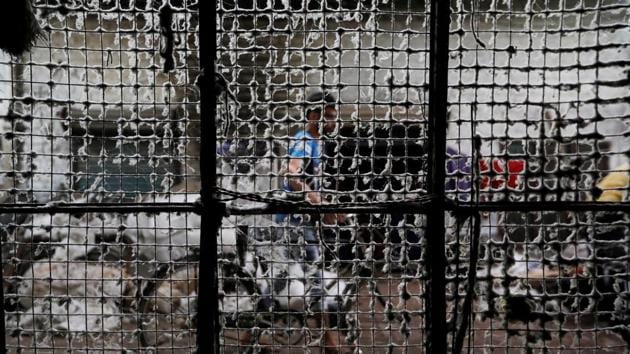
Chand Multani, president of the Panipat Handloom Owners’ Association, pointed to the tax headaches behind a bedsheet that costs barely Rs 150 as an example. Weaving, dyeing, embroidering and packaging are all done by separate businesses. Each business has to pay GST which they can claim back provided they have a GST number. For a lot of small businessmen this is way too much work. (Adnan Abidi / REUTERS)
12/13
 View Photos in a new improved layout
Updated on Sep 07, 2018 5:02 PM
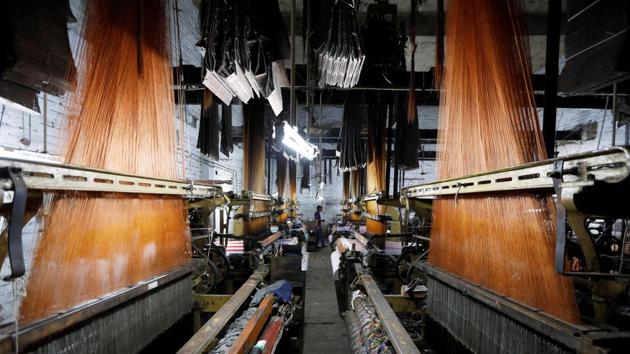
A labourer works on a powerloom. To address grievances, the GST Council, which administers the measure, has approved more than 200 amendments since the law came into force. The Federation of Indian Export Organisations estimates that nearly $2 billion of tax credits were yet to be refunded mainly because of software glitches and difficulties in matching hundreds of thousands invoices. (Adnan Abidi / REUTERS)
13/13
 View Photos in a new improved layout
Updated on Sep 07, 2018 5:02 PM


