
 E-Paper



Photos: India’s drag queens on identities beyond cross-dressing
Being a drag artiste is more than cross-dressing. Queer men who take up this art form have found their alter egos in their feminine avatars. Drag as a term—reportedly first used in 1870, has found its way into the Indian queer space of entertainment with an underlying message of non-conformity, trampling over the definitions of being a man, woman or the other.
Updated on: Apr 08, 2018 4:53 PM IST

Share via


Copy link

1/6
 View Photos in a new improved layout
Updated on Apr 08, 2018 4:53 PM
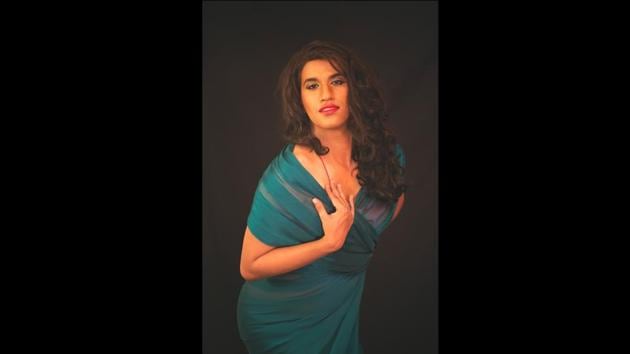
29-year-old Alex Mathew transforms into Maya, turning the “he” into “she” and the “she” is an “epitome of elegance, sassy and outspoken-- characteristics that Alex hardly depicts while working at a hotel in Bengaluru. A drag artiste lives a life of contrasts similar to day and night, seamlessly being two different characters. It allows men like Alex to invoke their expression of femininity through what is now an established art form across the globe. (Courtesy Alex Mathew)
2/6
 View Photos in a new improved layout
Updated on Apr 08, 2018 4:53 PM
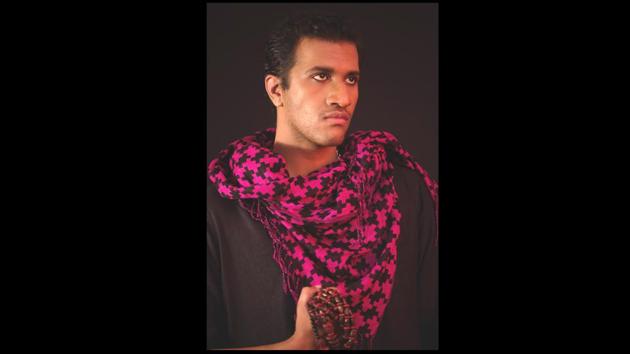
According to Alex (pictured), this process of transformation explores gender fluidity. “I don’t want to be he or she in the way genders have been defined or need the validation of being a male,” said Alex. Drag as a term—reportedly first used in 1870, has found its way into the Indian queer space of entertainment with an underlying message of non-conformity, trampling over the definitions of being a man, woman or the other. (Courtesy Alex Mathew)
3/6
 View Photos in a new improved layout
Updated on Apr 08, 2018 4:53 PM
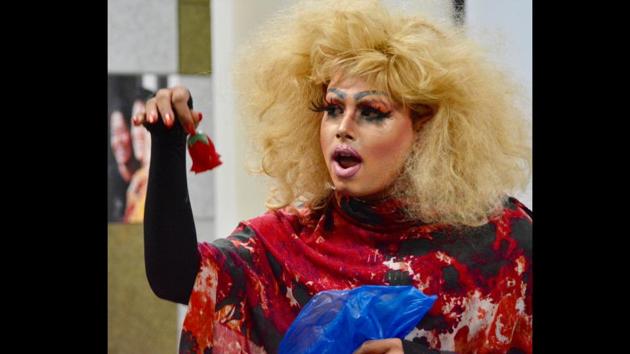
Environmental lawyer Ikshaku in the avatar of drag queen Kush. Hailing from Assam and now based in Delhi, Ikshaku “started off by simply donning the bedsheets and old clothes” of his mother and later lip-synched to songs. While Ishaku as a lawyer is gentle and quiet, his alter ego Kush or Kushboo is “fierce, liberated, fashionable, risque, avant garde, a singer, actress and ruler.” (Courtesy Sharif D Rangnekar)
4/6
 View Photos in a new improved layout
Updated on Apr 08, 2018 4:53 PM
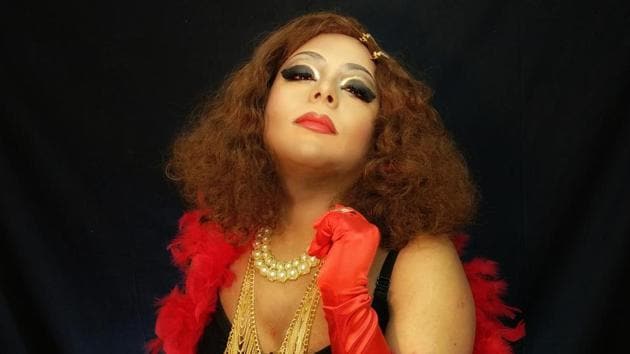
Ayushman aka Lush (pictured), has a similar story of being a lawyer and an active drag queen. “For most of my childhood in Ranchi, I had censored my life in a manner that I could never embrace myself for who I was,” said Ayushman. (HT Photo)
5/6
 View Photos in a new improved layout
Updated on Apr 08, 2018 4:53 PM
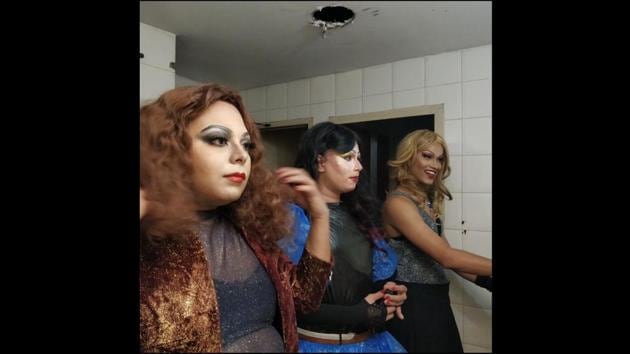
Drag artists Lush, Kush and Betta seen changing into their costumes in the washroom of Tis Hazari metro station, Delhi. The queens, however call themselves sisters-- unified by their distinct characters, large-size eyelashes, self-stitched outfits with sequins. Many perform for free so as to garner a larger audience, making more people aware of what they do. (HT Photo)
6/6
 View Photos in a new improved layout
Updated on Apr 08, 2018 4:53 PM


