
 E-Paper



Photos: On patrol with Mumbai’s anti-plastic ‘blue squad’
Wearing matching blue Nehru jackets, a dozen inspectors fan out across Mumbai's hectic Crawford Market, each scouring for violators of an ambitious plastic ban. Earlier this year, authorities introduced the ban across Maharashtra state. The rules, which came into force at the end of June, prohibit the use of disposable plastic items such as bags, cutlery, cups and bottles under a certain size. Members of the blue squad say they are too small in number to rid Mumbai of all its plastic, but are determined to do what they can.
Updated on: Oct 03, 2018 11:50 AM IST

Share via


Copy link

1/11
 View Photos in a new improved layout
Updated on Oct 03, 2018 11:50 AM
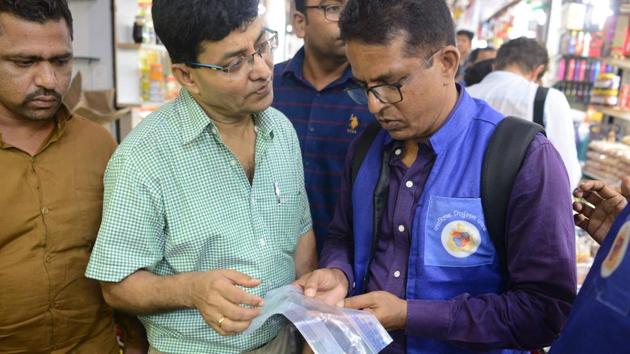
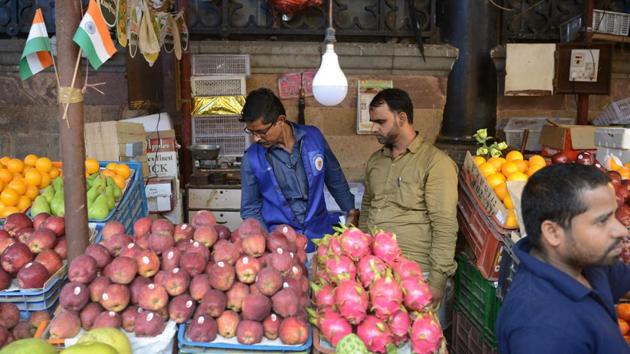
A city civic officer (in blue) explains restrictions on plastic bag usage to shopkeepers. Wearing matching blue Nehru jackets, a dozen inspectors fan out across Mumbai’s hectic Crawford Market, each scouring for violators of an ambitious plastic ban. Among them is Mahindra Wayangankar, 50, one of 311 officials dubbed the “blue squad” and tasked with enforcing a recent ban on single-use plastics in the country’s commercial capital. (Punit Paranjpe / AFP)
2/11
 View Photos in a new improved layout
Updated on Oct 03, 2018 11:50 AM
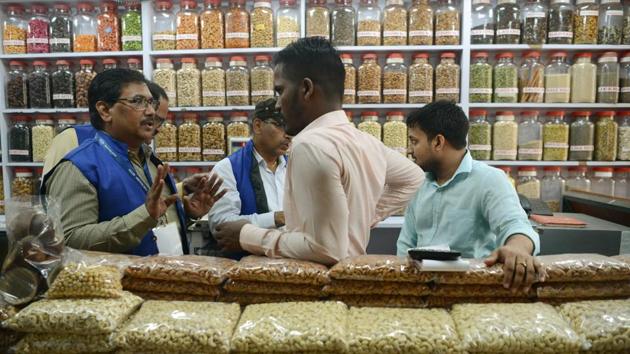
It doesn’t take Wayangankar long to find one: a dry fruits seller, wrapping his wares in plastic, is hit with a hefty 5,000-rupee fine. “The job is very stressful. When we fine traders and shopkeepers there is some form of resistance or violence in 99% of cases,” he told AFP. (Punit Paranjpe / AFP)
3/11
 View Photos in a new improved layout
Updated on Oct 03, 2018 11:50 AM
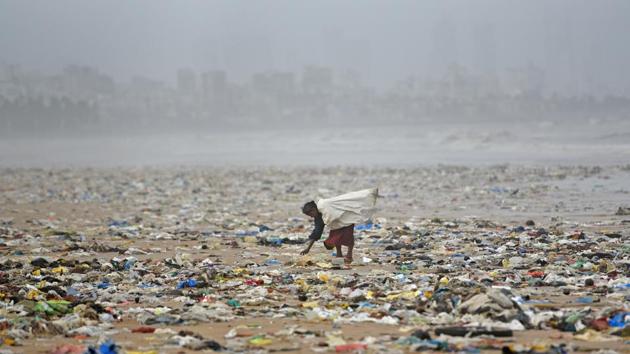
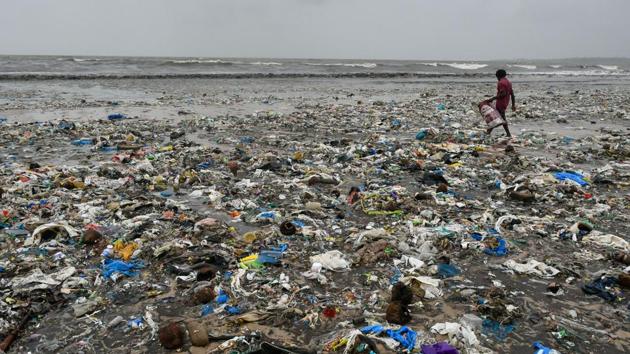
A lady picks plastic bottles from garbage seen at Juhu Beachin Mumbai. The bustling coastal city of 20 million people, has long been awash with vast amounts of plastic rubbish, like many urban centres in India. Plastic is regularly blamed for blocking drains and contributing to flooding during the city’s four-month-long summer monsoon (Satyabrata Tripathy / HT Archive)
4/11
 View Photos in a new improved layout
Updated on Oct 03, 2018 11:50 AM
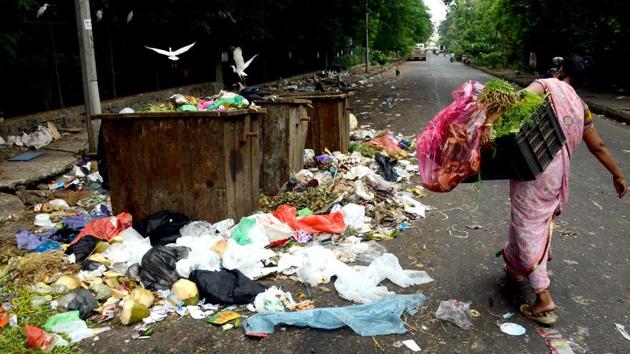
Plastic waste and garbage strewn about in Navi Mumbai. Earlier this year, authorities decided something had to be done and introduced a ban across Maharashtra state. The rules, which came into force at the end of June, prohibit the use of disposable plastic items such as bags, cutlery, cups and bottles under a certain size. (HT Archive)
5/11
 View Photos in a new improved layout
Updated on Oct 03, 2018 11:50 AM
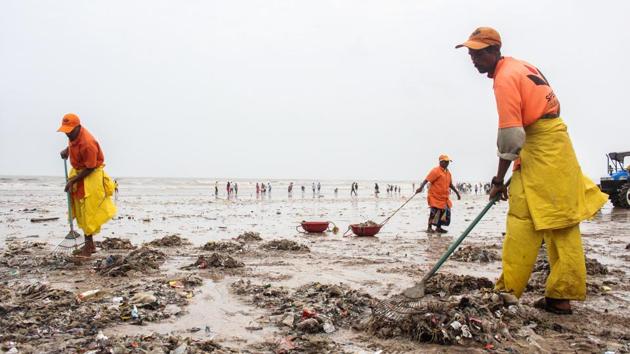
Businesses and residents face fines of between 5,000 rupees for a first-time offence to 25,000 rupees or even three months in jail for repeat offending. Nidhi Choudhari, a deputy municipal commissioner in charge of enforcing the ban, told AFP that 11.6 million rupees in fines had been collected and over 21 tonnes of plastic seized. (Prabhat Mehrotra / HT Archive)
6/11
 View Photos in a new improved layout
Updated on Oct 03, 2018 11:50 AM
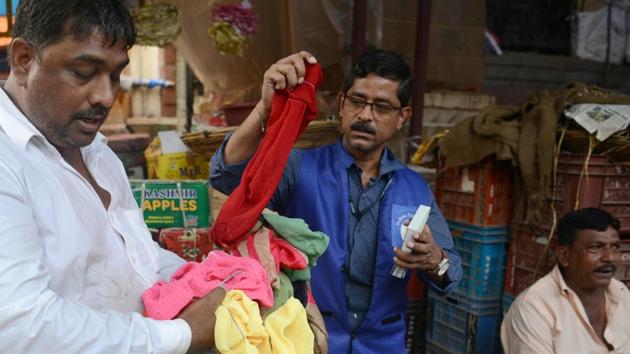
A shopkeeper (L) holds cloth bags while a city civic officer (C) checks them. A walk through Crawford Market and visits to grocery stores and food stalls suggest many traders have switched to cloth bags and paper straws. But others continue to violate the ban and large piles of plastic items can still be seen on the city’s beaches and streets. (Punit Paranjpe / AFP)
7/11
 View Photos in a new improved layout
Updated on Oct 03, 2018 11:50 AM
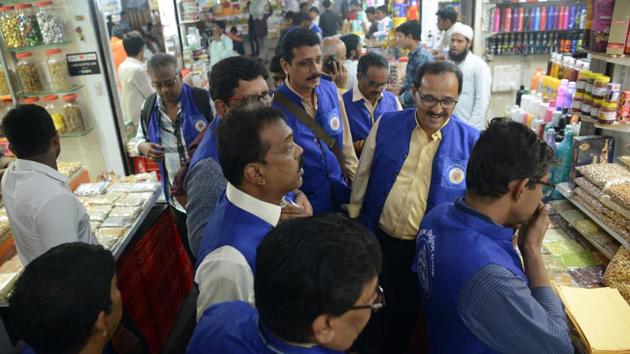
“It is difficult to work in such situations. Since the amount is huge, people don’t pay up easily. (But) we are happy doing this job because it helps society and protects the environment. Our goal is not just to raise revenue but create awareness too,” Wayangankar said. (Punit Paranjpe / AFP)
8/11
 View Photos in a new improved layout
Updated on Oct 03, 2018 11:50 AM
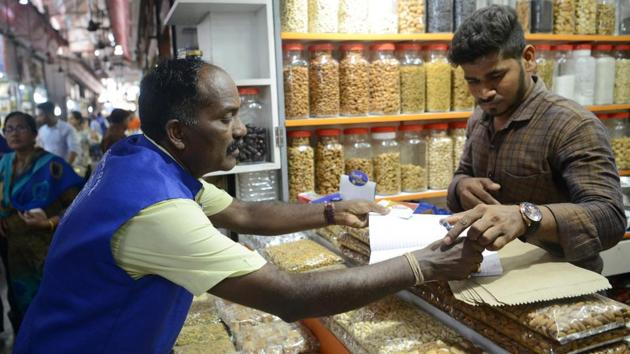
Retailers associations complain that confusion over what is and isn’t permitted has led some shopkeepers to be unfairly fined. Traders also say that a lack of cheap alternatives has hurt business, threatening livelihoods. Kombaiyya S., a street vendor who used to package takeaway orders for office workers in small plastic bags said that he’s lost most of his client base since the ban. (Punit Paranjpe / AFP)
9/11
 View Photos in a new improved layout
Updated on Oct 03, 2018 11:50 AM
The UN has warned that the world could have 12 billion tonnes of plastic trash by the middle of the century if use is maintained at current levels. Prime Minister Narendra Modi has pledged to make India free of single-use plastic by 2022. But while the majority of India’s 29 states have a full or partial ban on single-use plastics, the law is rarely enforced. (Sashi S Kashyap / HT Archive)
10/11
 View Photos in a new improved layout
Updated on Oct 03, 2018 11:50 AM
A city civic officer (L) inspects a fruit stall for unauthorised plastic bags at a wholesale market in Mumbai. Members of the blue squad say they are too small in number to rid Mumbai of all its plastic, but are determined to do what they can. (Punit Paranjpe / AFP)
11/11
 View Photos in a new improved layout
Updated on Oct 03, 2018 11:50 AM


