
 E-Paper



Photos: ‘What after us?’—Parent run homes for the specially abled
With just a handful state-run long-term care facilities available for a population of 15 lakh mentally challenged adults, parents are getting together across the country to make their own arrangements. In Mumbai, an NGO called Sangopita set up by the parents of a young man with cerebral palsy today houses 50 specially-abled people, aged 8 to 45. In Greater Mumbai, the 5-acre Adhar facility set up in 1994 by a trust made up of parents, now houses 220 people, while another in Nashik houses 100. In Bengaluru, Ruby Singh, the mother of an autistic man, runs a daycare centre called ALFAA and another example being in Pune, two homes managed by an 81-year-old parent and retired engineer housing 50 people.
Updated on: Aug 2, 2018 1:50 PM IST


Share via


Copy link

1/10
 View Photos in a new improved layout
Updated on Aug 2, 2018 1:50 PM
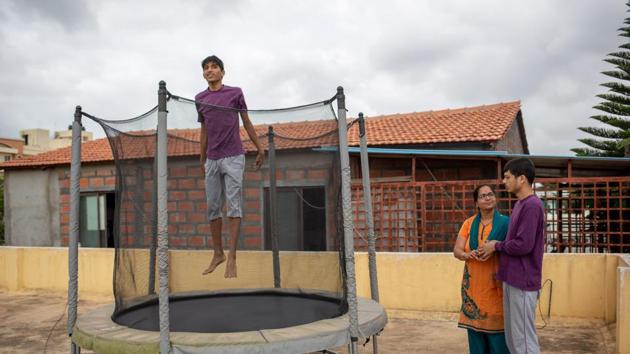
A specially abled person on a trampoline at ALFAA (Assisted Living for Autistic Adults), in Bengaluru. Ruby Singh, the mother of an autistic man, runs the ALFAA trust and daycare centre which cares for 22 specially abled people aged 14 to 29, with the help of 14 special educators and caretakers. In five years, Ruby hopes to have a residential facility up and running too. (Vivek M / HT Photo)
2/10
 View Photos in a new improved layout
Updated on Aug 2, 2018 1:50 PM
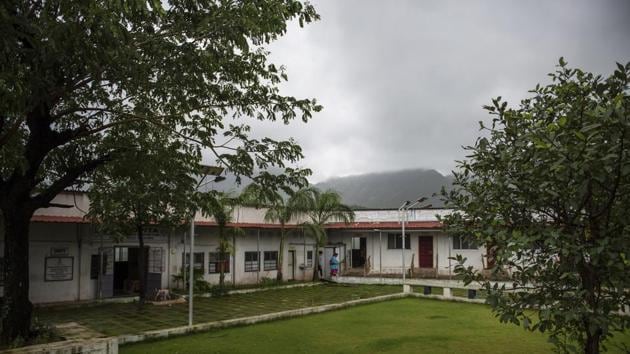
‘What happens to my child after I’m gone?’ In the absence of an answer for parents of the mentally challenged, some are setting up facilities of their own. Sangopita (pictured) means ‘to nurture’ in Sanskrit. This Badlapur facility was set up by Ravindra and Sujata Sugwekar, parents to Akshay, 22, who has cerebral palsy. It has gardens, yoga rooms, dormitories and a daycare centre for children. (Aalok Soni / HT Photo)
3/10
 View Photos in a new improved layout
Updated on Aug 2, 2018 1:50 PM
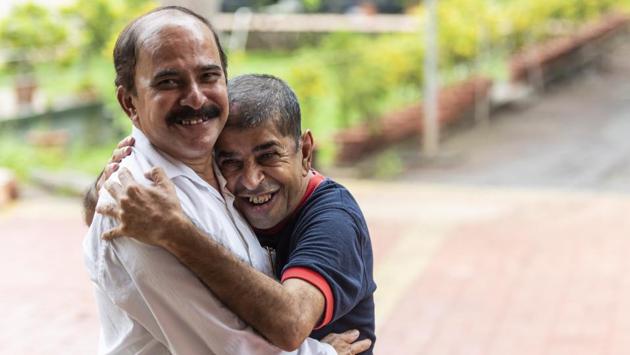
Vishwas Gore (L), 57, runs the 5-acre Adhar facility in Badlapur, set up in 1994 by a trust made up of parents. It houses 220 people aged 18 to 75. Dr Nimesh Desai, director of the Institute of Human Behaviour and Allied Sciences (IHBAS), Delhi says it’s a welcome step for parents’ associations to start such homes but the shift to semi-formal or formal models must adhere to some minimum standards set by the government. (Aalok Soni / HT Photo)
4/10
 View Photos in a new improved layout
Updated on Aug 2, 2018 1:50 PM
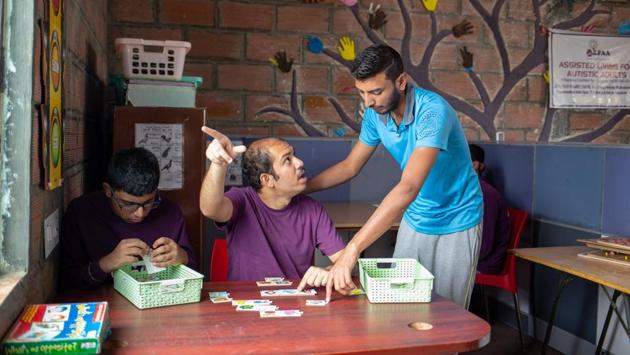
An academic session in progress at ALFAA. Government intervention would mean that conditions, levels of care and even pricing could be monitored and subsidised. Currently, the homes charge between ₹8,000 and ₹15,000 a month, limiting access to very few. And running them is a challenge for parents whose primary qualification for the job is that they’re the only ones willing to do it. (Vivek M / HT Photo)
5/10
 View Photos in a new improved layout
Updated on Aug 2, 2018 1:50 PM
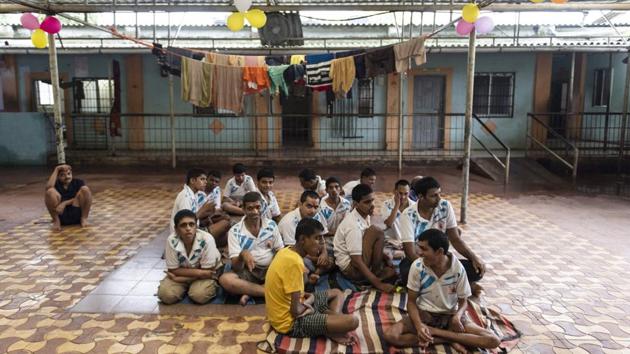
At Sangopita, a staff of 32, including caretakers and special educators looks after residents who are divided into groups based on their IQ and ability levels. They are offered training in communication, and in handicrafts like paper bag, candle and handkerchief making. The charitable trust also has a seven-member board that includes doctors and parents, and oversees the running of the institution. (Aalok Soni / HT Photo)
6/10
 View Photos in a new improved layout
Updated on Aug 2, 2018 1:50 PM
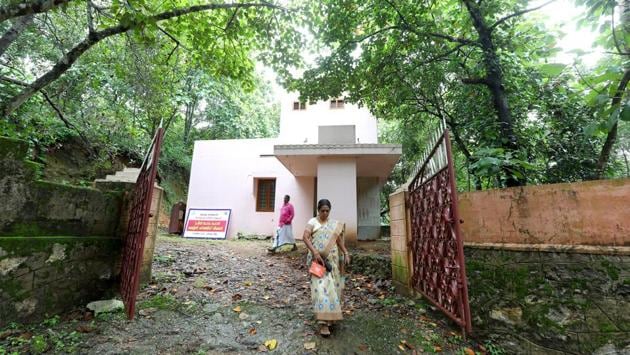
With just a handful state-run long-term care facilities available for a population of 15 lakh mentally challenged adults, parents across the country are making their own arrangements. Two years ago retired school teachers N Kamalasanan, 76, and CK Sarojini, 72, desperate to provide for their mentally challenged daughter, decided to donate property worth ₹8 crore to the Kerala government for use as long-term care homes. (HT Photo)
7/10
 View Photos in a new improved layout
Updated on Aug 2, 2018 1:50 PM
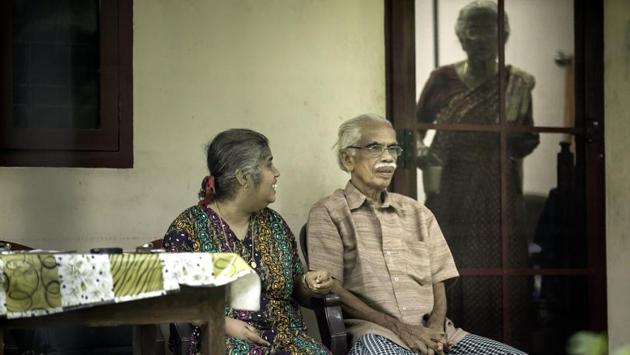
Kamalasanan (C) and Sarojini (R) with their daughter Priya. The social welfare department has announced a care complex for women on one of their plots. “In our country, the mentally challenged face a bleak future,” Kamalasanan says. “Since there is no help available, many families push them out on to the streets. We need better care. The homes built on our family land will be a message of hope for those in need of such help.” (HT Photo)
8/10
 View Photos in a new improved layout
Updated on Aug 2, 2018 1:50 PM
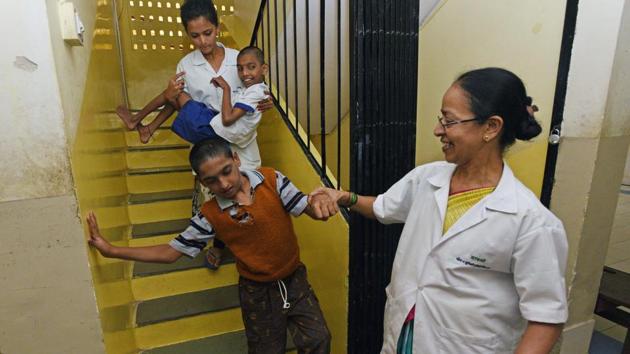
Staff at the Savali centre help specially abled residents in Pune. 81-year-old Vasant Thakar opted for retirement in 1992, and converted his three-storey bungalow and later a plot in Pune into residential homes for special children under a trust called Savali, Marathi for ‘shelter’. The homes now house 50. “My daughter was my sole concern in the beginning, but now I have people as old as 67 living a better life here,” Thakar says. (Pratham Gokhale / HT Photo)
9/10
 View Photos in a new improved layout
Updated on Aug 2, 2018 1:50 PM
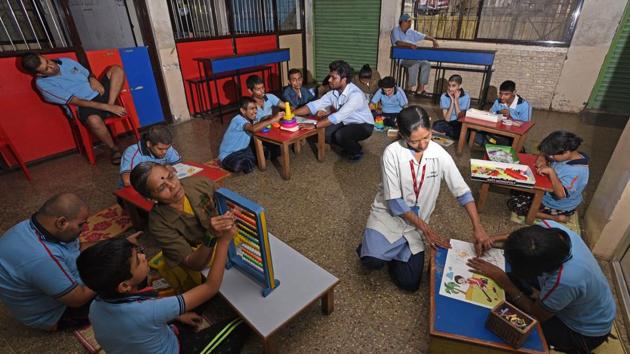
Finding long-term care is one concern; finding a way to pay for it is another. At Adhar and Savali, donations help run the facilities; money from the sale of products made by the residents also helps. “We were lucky to have psychiatrists and physiotherapists who volunteered to help us out for free because of the doctors on our board of trustees. Otherwise, it would have really added to our costs,” says Sujata of Sangopita. (Pratham Gokhale / HT Photo)
10/10
 View Photos in a new improved layout
Updated on Aug 2, 2018 1:50 PM


