
 E-Paper



7 signs your child may need glasses
Undiagnosed vision issues can affect your child's performance, therefore it's vital to understand eye health so you can spot the warning indications that your child might have a vision issue and need glasses.
Published on: Nov 5, 2022 6:27 PM IST


Share via


Copy link

1/7
 View Photos in a new improved layout
Published on Nov 5, 2022 6:27 PM
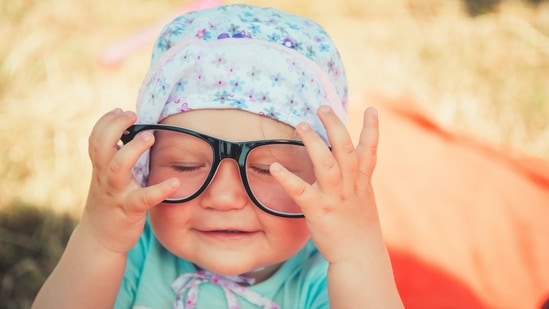
"Vision problems can affect your child’s performance in and out of school. Early detection of vision issues is important to avoid affecting the quality of their eyesight later in life," says pediatrician Dr. Sami in her recent Instagram post. (Unsplash)
2/7
 View Photos in a new improved layout
Published on Nov 5, 2022 6:27 PM
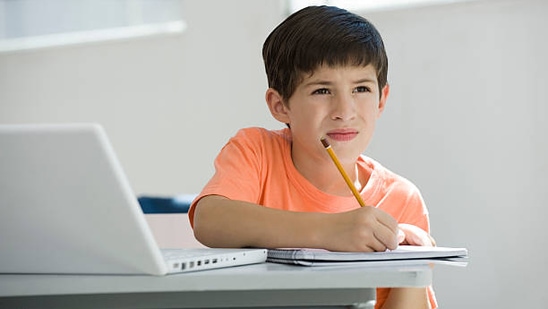
Squinting: your child may squint to try to improve the focus and clarity of an object. It is often caused by the eye attempting to overcome a vision problem. (gettyimages)
3/7
 View Photos in a new improved layout
Published on Nov 5, 2022 6:27 PM
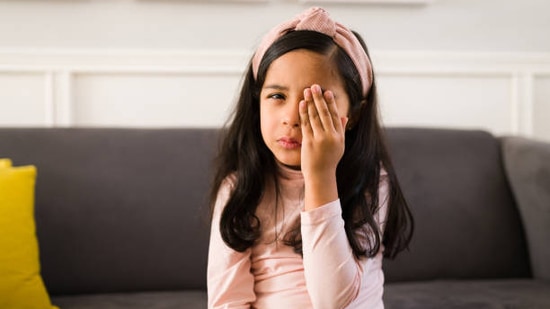
Tilting head or covering one eye: This might indicate that your child has a lazy eye or eyes are misaligned. It can also be the indication of Amblyopia which is the loss of the ability to see clearly through one eye. (istockphoto)
4/7
 View Photos in a new improved layout
Published on Nov 5, 2022 6:27 PM
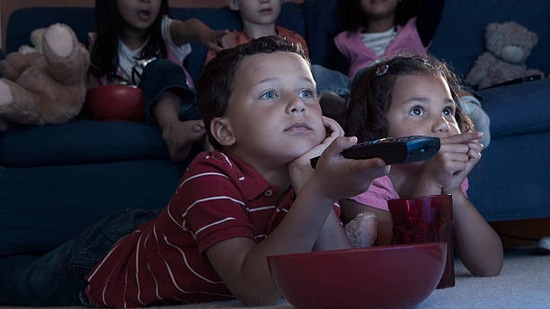
Sitting too close to the TV: This is a sign that your child might be nearsighted. Bringing an object closer to the face makes an image bigger and clearer. (Gettyimages)
5/7
 View Photos in a new improved layout
Published on Nov 5, 2022 6:27 PM
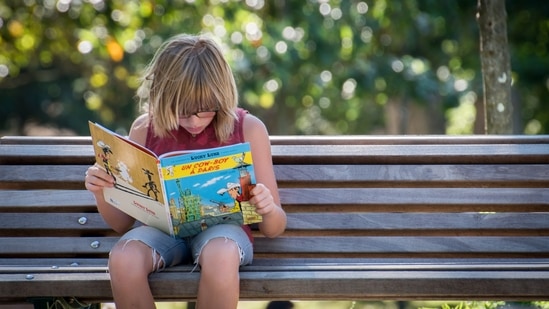
Holding hand-held devices too close to the eyes or lowering the head while reading are all possible signs of poor vision. People who have myopia, or nearsightedness, have clear vision at close range and poorer vision at a distance. (Unsplash)
6/7
 View Photos in a new improved layout
Published on Nov 5, 2022 6:27 PM
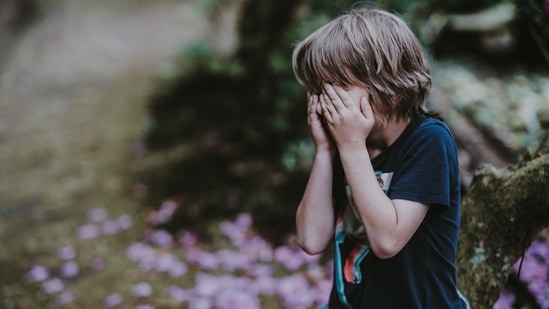
Excessively rubbing eyes: This may indicate your child is experiencing eye fatigue or strain. This could be a sign of many types of vision problems and conditions, including allergic conjunctivitis. (Unsplash)
7/7
 View Photos in a new improved layout
Published on Nov 5, 2022 6:27 PM


