
 E-Paper



Photos: Afghan artisans pit traditional textiles against Chinese imports
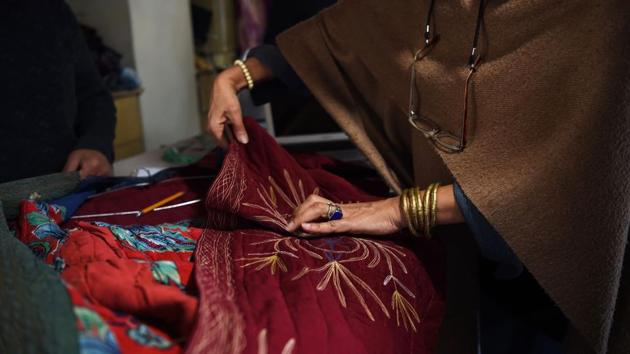
Cheap, Chinese-made nylon burkas are flooding Afghanistan's north as consumers turn to affordable, mass-produced fabrics -- but in Kabul a small, determined fashion house, Zarif --launched in 2006-- is fighting to preserve the traditional textiles once integral to Afghan culture. They have employed more than two dozen people, mostly women to tailor and design the fabrics into handcrafted, embroidered clothing but with cheaper imports they are struggling to sustain.
Updated on: Apr 20, 2018 9:30 AM IST

Share via


Copy link

1/9
 View Photos in a new improved layout
Updated on Apr 20, 2018 9:30 AM
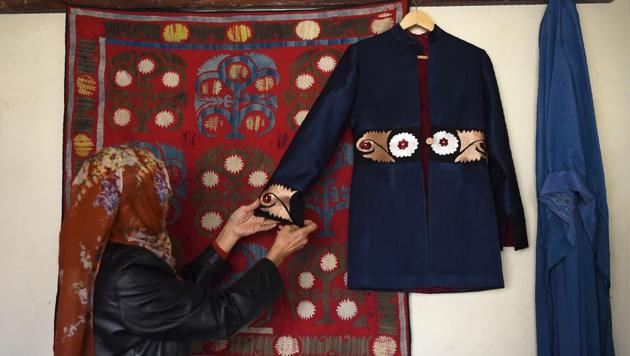
An Afghan tailor hangs an embroidered coat on the wall at Zarif Design House in Kabul. As mass produced nylon and polyester burkas made in China flood Afghanistan feeding consumer appetite for affordable, mass-produced fabric, this small but determined fashion house is fighting to preserve the traditional textiles once integral to Afghan culture. (Wakil Kohsar / AFP)
2/9
 View Photos in a new improved layout
Updated on Apr 20, 2018 9:30 AM
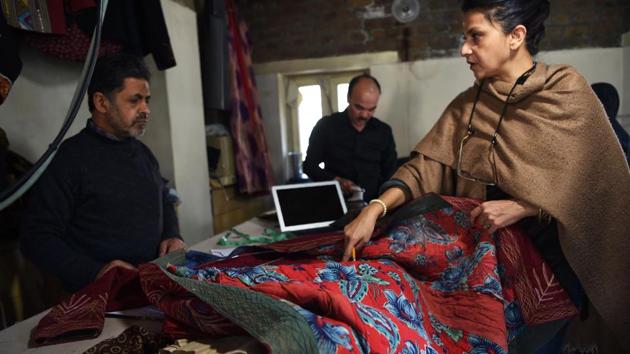
Owner Zolaykha Sherzad (R) shows a traditional chapan coat to her employees. Launched in 2006, “Zarif” -- “precious” in Persian -- commissions traditional cotton and silk from artisanal weavers, and employs more than two dozen people to tailor and design the fabrics into handcrafted, embroidered clothing. But with cheaper imports saturating the market, they are struggling to keep afloat. (Wakil Kohsar / AFP)
3/9
 View Photos in a new improved layout
Updated on Apr 20, 2018 9:30 AM
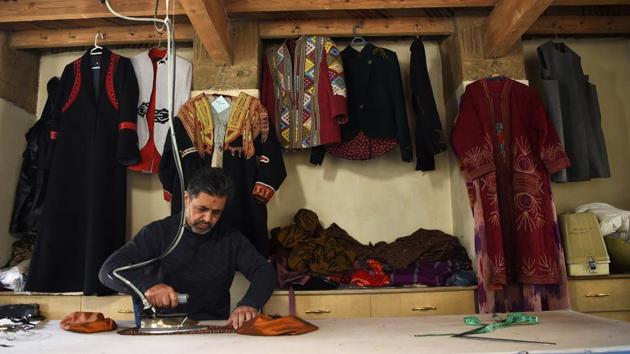
Only decades ago, textiles were on par with Afghanistan’s legendary carpet trade. During its heyday textiles were more than just fabrics, with their patterns, colours and embroidery illuminating the origins and tribal history of their makers. “But now, we are trying hard just to keep them as ornaments on jackets and coats, to maintain the know-how,” Sherzad said. (Wakil Kohsar / AFP)
4/9
 View Photos in a new improved layout
Updated on Apr 20, 2018 9:30 AM
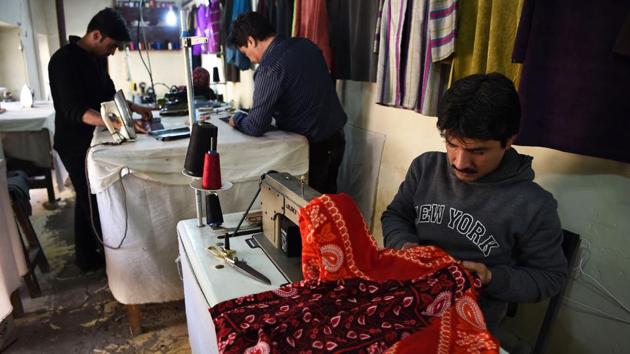
According to data provided by the World Bank, 19% of Afghan women were employed in 2017 -- which excludes the informal agricultural sector. Sherzad says the decline in the craft has put large numbers of women out of work who once were able to make a living at home. (Wakil Kohsar / AFP)
5/9
 View Photos in a new improved layout
Updated on Apr 20, 2018 9:30 AM
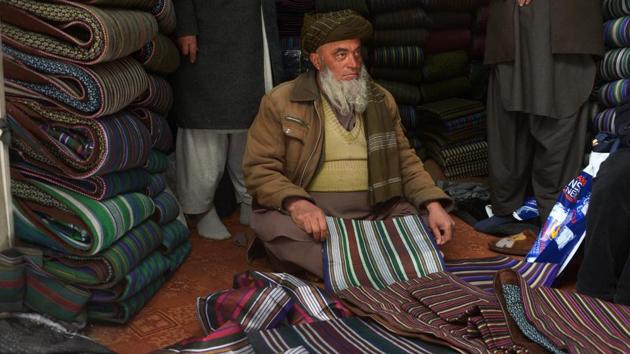
With Zarif, she hopes to fill the gap while aiming to preserve Afghanistan’s textile traditions and designing contemporary takes on Afghan fashion staples. The bazaars in Mazar-i-Sharif are stacked with striped and padded chapans -- popularised in the West by ex-President Hamid Karzai. The cheaper knock-offs are printed on nylon, rather than silk, closely replicating traditional designs but at a third of the price. (Farshad Usayn / AFP)
6/9
 View Photos in a new improved layout
Updated on Apr 20, 2018 9:30 AM
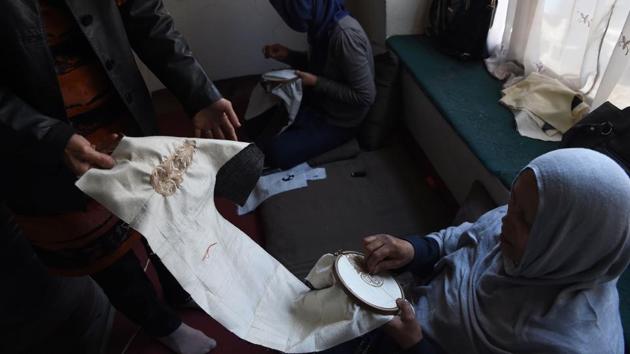
About 60% of the team at Zarif is female, including the director Nasima along with the production manager Sara. Two embroiderers work full time while an additional 30 are called on at the discretion of the managers. (Wakil Kohsar / AFP)
7/9
 View Photos in a new improved layout
Updated on Apr 20, 2018 9:30 AM
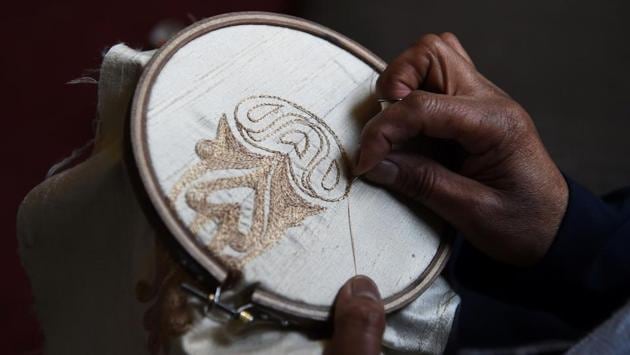
Since its creation, Zarif has trained more than 85 women -- but most of them have given up their jobs after getting married at the request of husbands who are reluctant to accept the presence of other men near their spouses. “The brake on women’s employment continues to be their husbands” says Sherzad. (Wakil Kohsar / AFP)
8/9
 View Photos in a new improved layout
Updated on Apr 20, 2018 9:30 AM
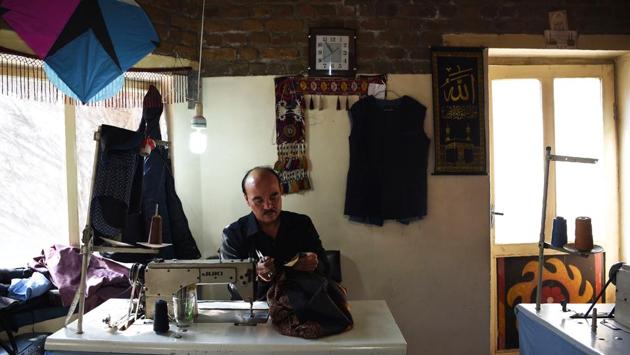
Now only the rich can afford the handmade silk chapans, often buying them as wedding gifts, while middle-class and working people opt for the synthetic designs. Despite the economic crisis that has raged since the withdrawal of more than 100,000 NATO troops in late 2014, Zarif still employs 26 employees in its courtyard workshop. (Wakil Kohsar / AFP)
9/9
 View Photos in a new improved layout
Updated on Apr 20, 2018 9:30 AM


