
 E-Paper



Mumbai’s dirty picture
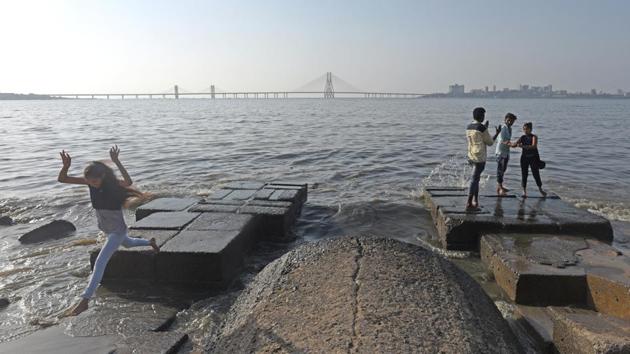
The seas near Mumbai (in pic), Kerala and the Andaman and Nicobar Islands are among the most polluted in the world, a global study that mapped marine pollution around the world has found. (Pratik Chorge/HT Photo)
Updated on: Apr 05, 2017 11:23 AM IST

Share via


Copy link

1/10
 View Photos in a new improved layout
Updated on Apr 05, 2017 11:23 AM
The seas near Mumbai (in pic), Kerala and the Andaman and Nicobar Islands are among the most polluted in the world, a global study that mapped marine pollution around the world has found. (Pratik Chorge/HT Photo)
2/10
 View Photos in a new improved layout
Updated on Apr 05, 2017 11:23 AM
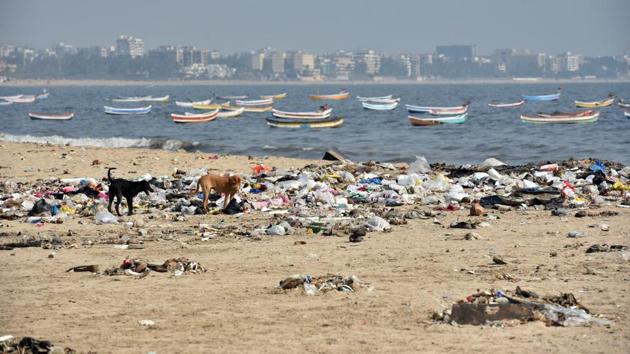
The database did a quantitative analysis of plastic debris on beaches in Mumbai and found an average of 68.83 items a sqm at four beaches – Juhu, Versova, Dadar and Aksa — most of it (41.85%) were microplastics ranging in size from 1m to 5m. (Pratham Gokhale/HT Photo)
3/10
 View Photos in a new improved layout
Updated on Apr 05, 2017 11:23 AM
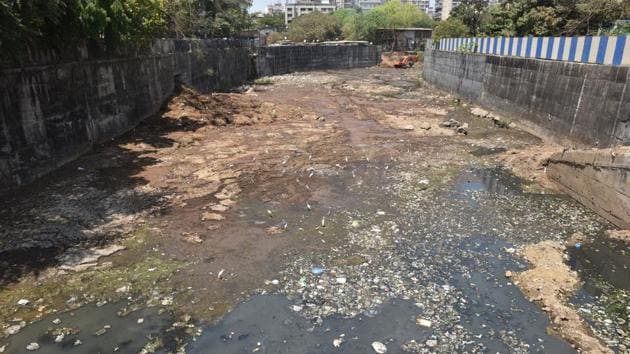
Waste from the Sanjay Gandhi National Park is discharged into the Dahisar river. This waste ends up in the Arabian Sea. (Pratham Gokhale/HT Photo)
4/10
 View Photos in a new improved layout
Updated on Apr 05, 2017 11:23 AM
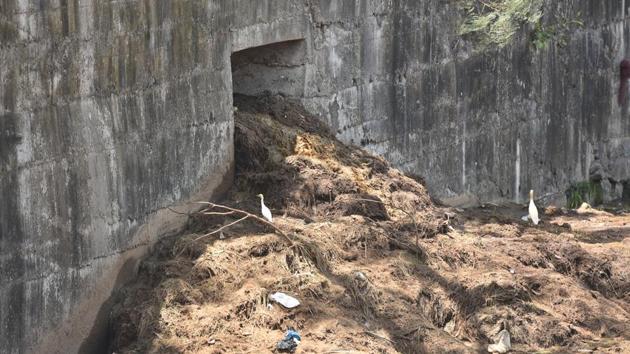
The major contributing factors for Mumbai’s litter are from recreational and religious activities and fishing, the study said. (Pratham Gokhale/HT Photo)
5/10
 View Photos in a new improved layout
Updated on Apr 05, 2017 11:23 AM
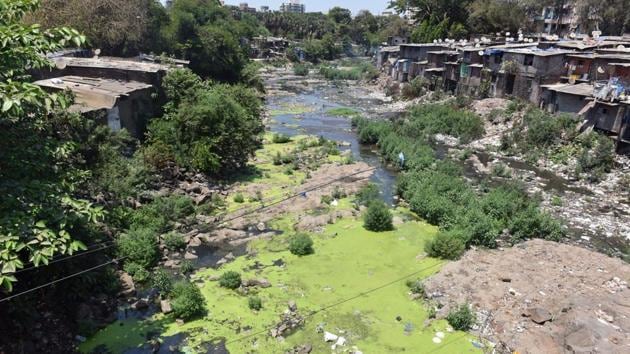
Garbage, mainly plastic, has for decades choked our rivers and streams that ultimately flow into the ocean, the study said. (Pratham Gokhale/HT Photo)
6/10
 View Photos in a new improved layout
Updated on Apr 05, 2017 11:23 AM
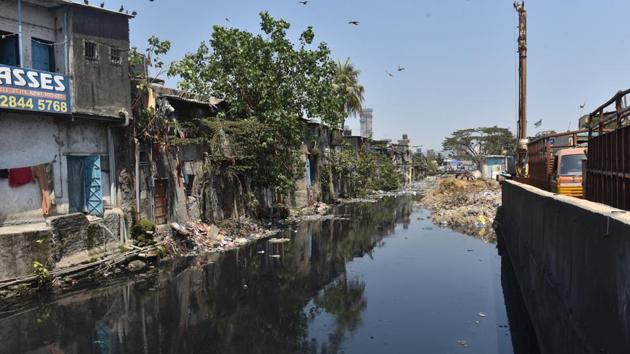
The Malvani nullah also presents a dirty picture. (Pratham Gokhale/HT Photo)
7/10
 View Photos in a new improved layout
Updated on Apr 05, 2017 11:23 AM
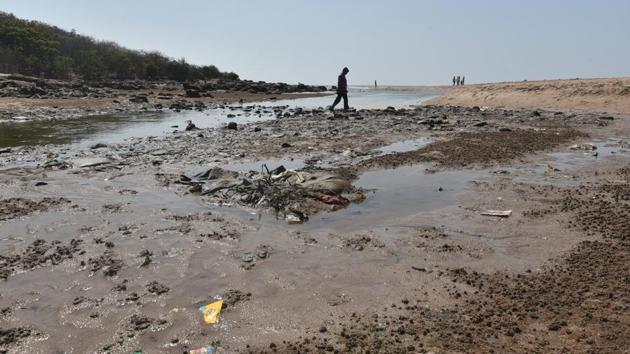
The waste from Malvani nullah ends up in the sea near Aksa beach. (Pratham Gokhale/HT Photo)
8/10
 View Photos in a new improved layout
Updated on Apr 05, 2017 11:23 AM
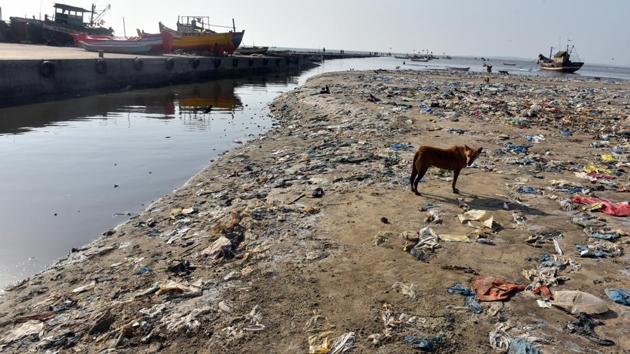
According to the study, the highest quantity of microplastics was seen in the Juhu beach (55.33%), followed by Versova (28.8%), Dadar (18.6%) and Aksa (7.9%). (Pratham Gokhale/HT Photo)
9/10
 View Photos in a new improved layout
Updated on Apr 05, 2017 11:23 AM
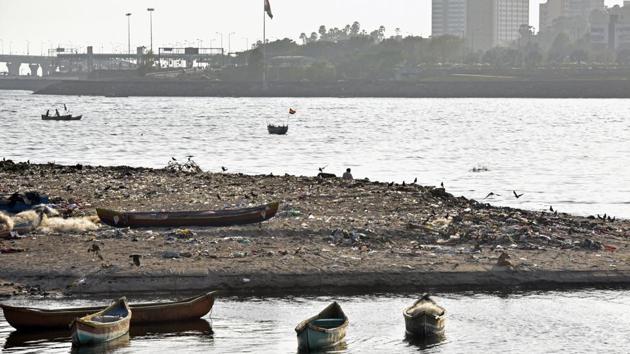
8 million metric tonnes of plastic leaks into the ocean worldwide every year. (Pratham Gokhale/HT Photo)
10/10
 View Photos in a new improved layout
Updated on Apr 05, 2017 11:23 AM


