
 E-Paper



Photos: Receding tides reveal Mumbai’s hidden marine treasures
Sea sponges, slugs and even the odd octopus or sea horse can be found along Mumbai’s coast, hidden from plain sight just until the tide retreats revealing the intertidal pools teeming with unique forms of marine life. HT photojournalist Pratik Chorge travelled along the city coastline, which stretches from Colaba in the south to Madh-Marve in the north, uncovering the city's colourful marine treasures. He was accompanied by a couple of marine enthusiasts who have founded the group Marine Life of Mumbai.
Updated on: Jun 11, 2018 11:18 AM IST

Share via


Copy link

1/11
 View Photos in a new improved layout
Updated on Jun 11, 2018 11:18 AM
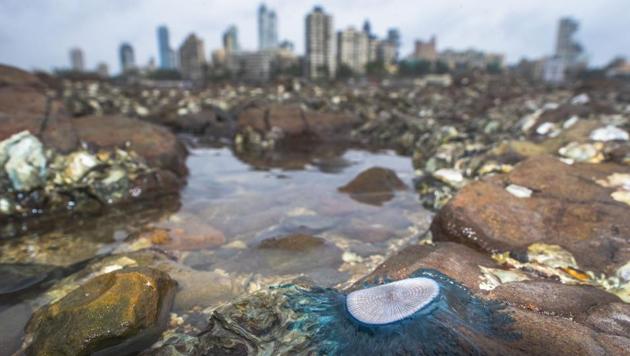
A Blue button (Porpita porpita) spotted on the rocky shore of Haji Ali in Mumbai. The spotting of the Blue button is a sign of the monsoon’s arrival in the city. These Porpita are members of the invertebrate order Hydroida, found in tropical and subtropical waters of the Indian Ocean. (Pratik Chorge / HT Photo)
2/11
 View Photos in a new improved layout
Updated on Jun 11, 2018 11:18 AM
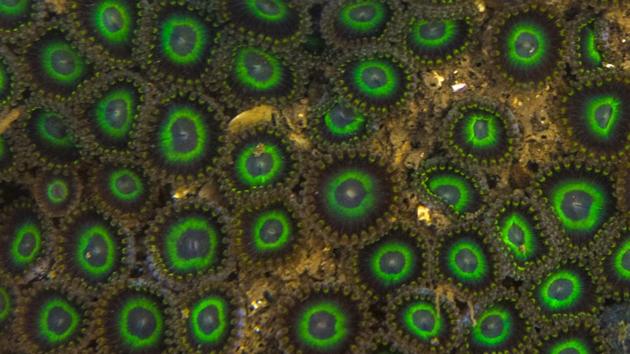
A family of Zoanthus Sansibaricus, technically hexacorals, in an intertidal pool at Marine Drive. The best time to spot marine life is during low tides when the intertidal zone, an area above water at low tide and under water at high tide, emerges into view. (Pratik Chorge / HT Photo)
3/11
 View Photos in a new improved layout
Updated on Jun 11, 2018 11:18 AM
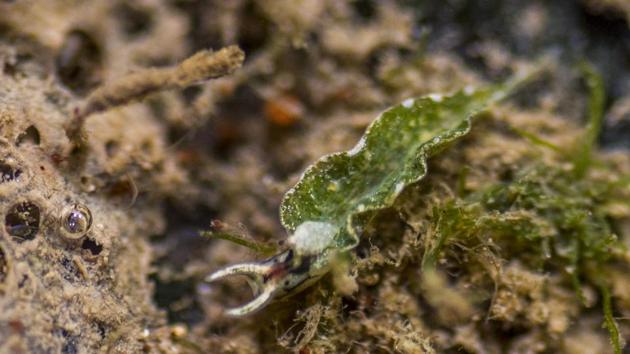
Elysia hirasei, a type of small sea slug, just the size of a fingernail, inside a tide pool at Haji Ali. These sea slugs are often seen feeding on green algae. Tide pools are shallow pools of seawater that form in the troughs of rocky intertidal zones. (Pratik Chorge / HT Photo)
4/11
 View Photos in a new improved layout
Updated on Jun 11, 2018 11:18 AM
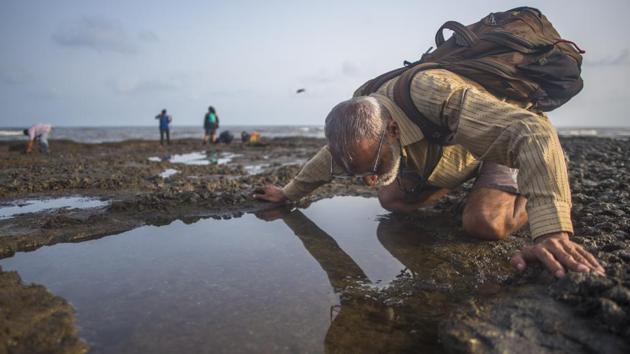
Self-taught marine biologist Pradip Patade scans an intertidal pool for signs of marine life at Priyadarshini Park in Mumbai. Marine Life of Mumbai, a collective, has documented over 250 marine species, including 40 crustaceans, 30 snails, seven types of corals, and several other marine species. (Pratik Chorge / HT Photo)
5/11
 View Photos in a new improved layout
Updated on Jun 11, 2018 11:18 AM
Cratena sp, another creature from the sea slug family, spotted at Haji Ali. Marine Life Mumbai confirmed all the sightings documented by HT. (Pratik Chorge / HT Photo)
6/11
 View Photos in a new improved layout
Updated on Jun 11, 2018 11:18 AM
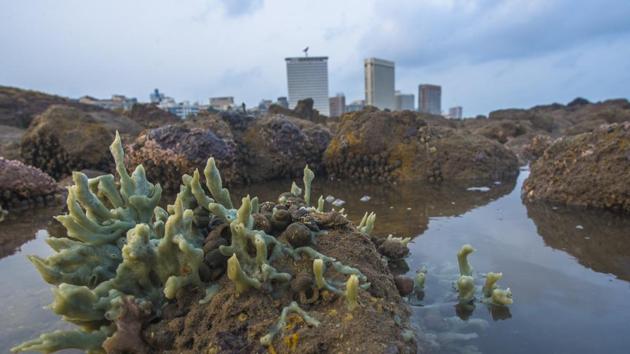
Sea sponge on to the rocks at Marine Drive. Various shades of sea sponges ranging between red, pink, orange, green, brown and yellow can be found across the shores of Mumbai. (Pratik Chorge / HT Photo)
7/11
 View Photos in a new improved layout
Updated on Jun 11, 2018 11:18 AM
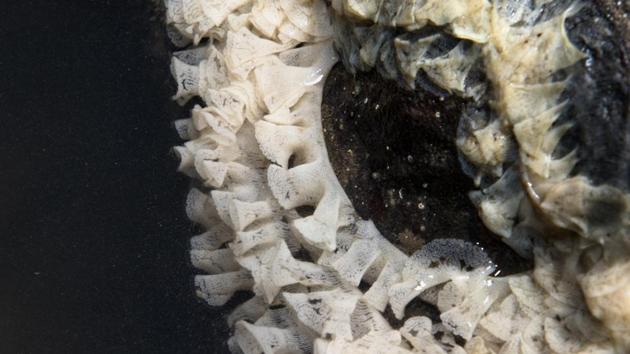
Sea slug eggs spotted on the rocky shores of Haji Ali. (Pratik Chorge / HT Photo)
8/11
 View Photos in a new improved layout
Updated on Jun 11, 2018 11:18 AM
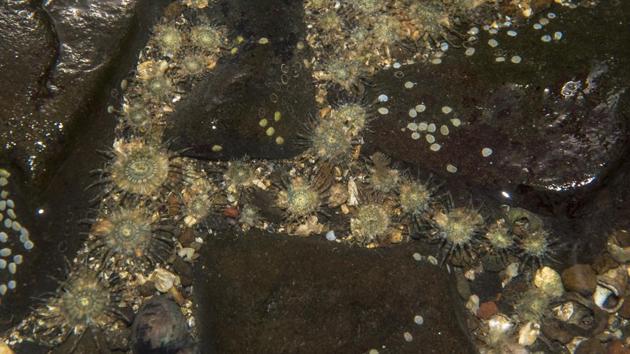
A family of small anthopleura sea anemones in a tide pool at Haji Ali. Sea anemones are a group of predatory marine animals named after the terrestrial flowering plant. These anemones are found in rock pools on the higher parts of the shore. (Pratik Chorge / HT Photo)
9/11
 View Photos in a new improved layout
Updated on Jun 11, 2018 11:18 AM
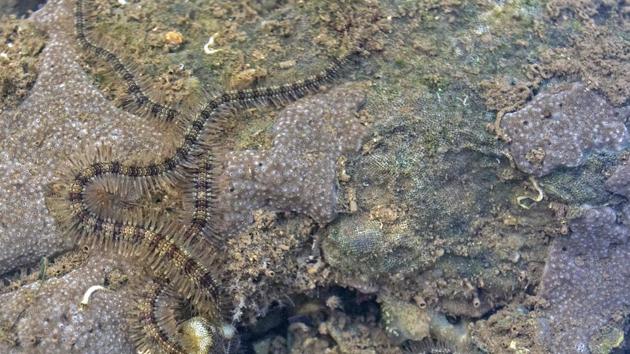
Brittle star in a tide pool at Marine Drive. Also called the serpent star, it belongs to the Phylum Echinodermata. It has a central disc bearing five slender, long arms up to 60cm in some species that are used for movement. It also uses these to catch prey and deliver it to its mouth. The arms break easily but can regenerate. (Pratik Chorge / HT Photo)
10/11
 View Photos in a new improved layout
Updated on Jun 11, 2018 11:18 AM
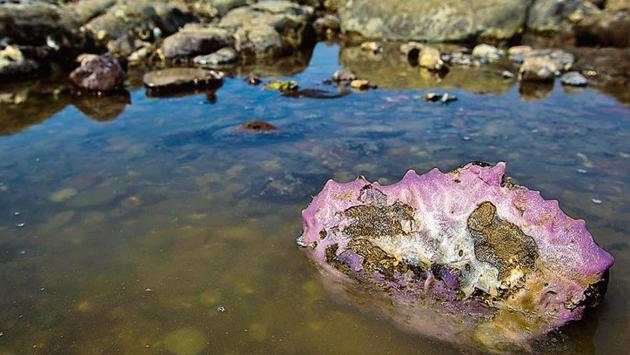
A colourful sea sponge on the rocks of Haji Ali. Neither a plant nor a coral, a sea sponge is classified as an animal. Sponges attach themselves permanently to a spot under the water and do not move around. (Pratik Chorge / HT Photo)
11/11
 View Photos in a new improved layout
Updated on Jun 11, 2018 11:18 AM


