
 E-Paper



Naadam festival: Celebrating the cultural heritage of Mongolia
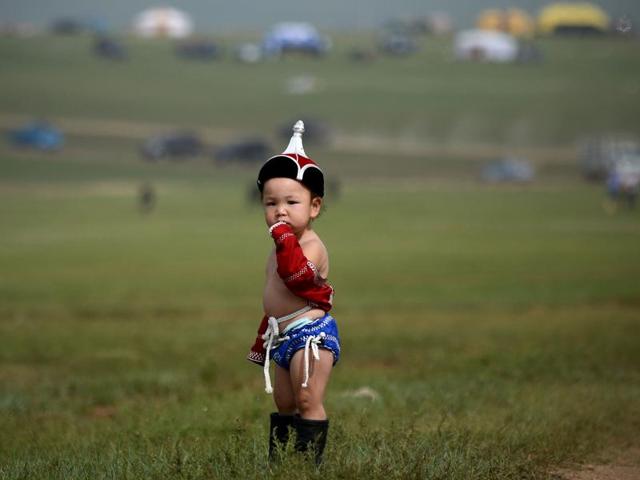
A Mongolian baby clad in traditional wrestling attire looks on during the summer festival known as Naadam on the outskirts of Ulanbaator on July 13, 2016. (AFP)
Updated on: Jul 14, 2016 7:41 PM IST

Share via


Copy link

1/12
 View Photos in a new improved layout
Updated on Jul 14, 2016 7:41 PM
A Mongolian baby clad in traditional wrestling attire looks on during the summer festival known as Naadam on the outskirts of Ulanbaator on July 13, 2016. (AFP)
2/12
 View Photos in a new improved layout
Updated on Jul 14, 2016 7:41 PM
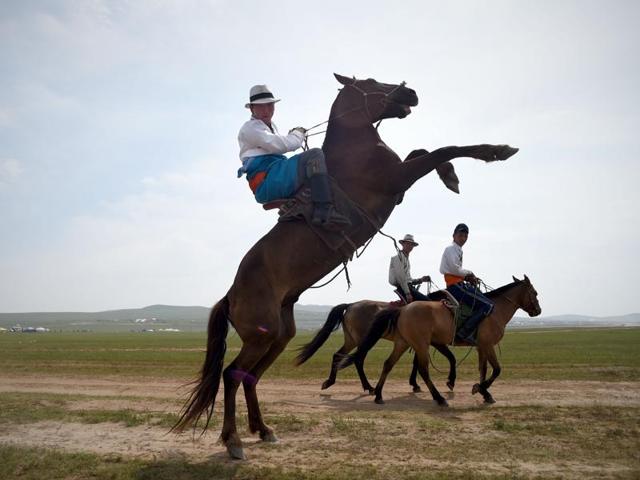
Naadam sports festival, sees men and women participate in three sports -- wrestling, horse-riding and archery. A Mongolian controls his horse. (AFP)
3/12
 View Photos in a new improved layout
Updated on Jul 14, 2016 7:41 PM
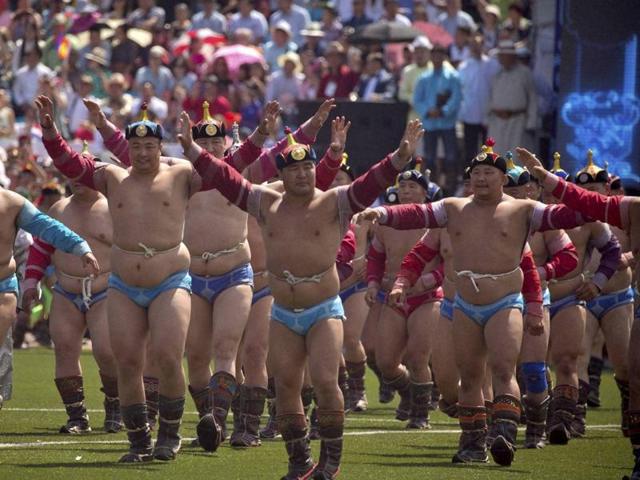
Loosely translating as the ‘three games of men’, Naadam is a midsummer festival. Wrestling competitors take the field. (AP)
4/12
 View Photos in a new improved layout
Updated on Jul 14, 2016 7:41 PM
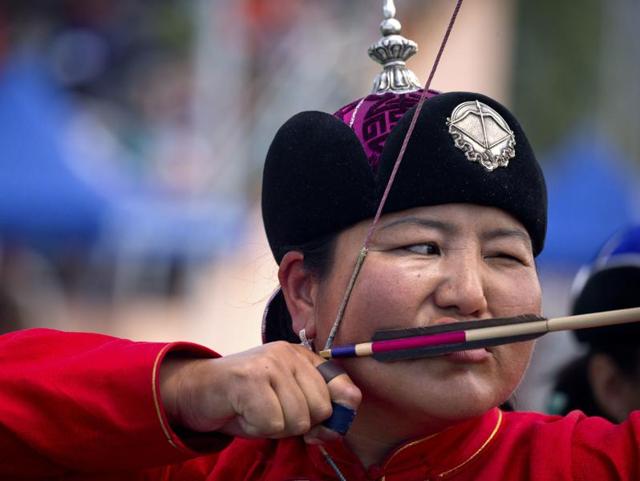
Traditionally, only men participated in the festival. However, archery and horse-riding have witnessed the participation of women. A woman draws her bow. (AP)
5/12
 View Photos in a new improved layout
Updated on Jul 14, 2016 7:41 PM
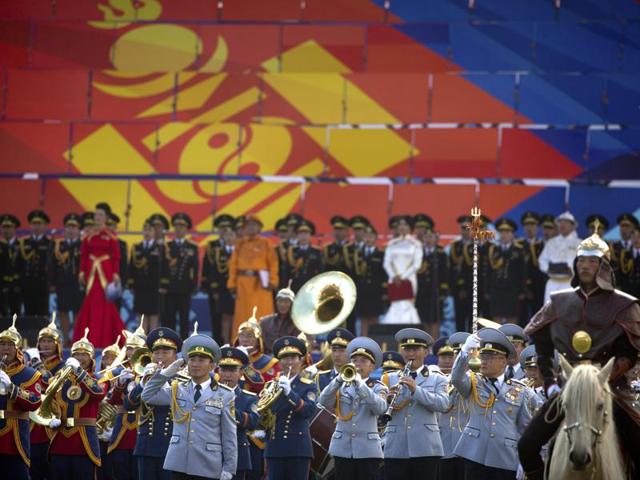
In 2010, Naadam was included in the representative list of the Intangible Cultural Heritage of Humanity of UNESCO. A marching band performs in front of a giant display of the Mongolian flag. (AP)
6/12
 View Photos in a new improved layout
Updated on Jul 14, 2016 7:41 PM
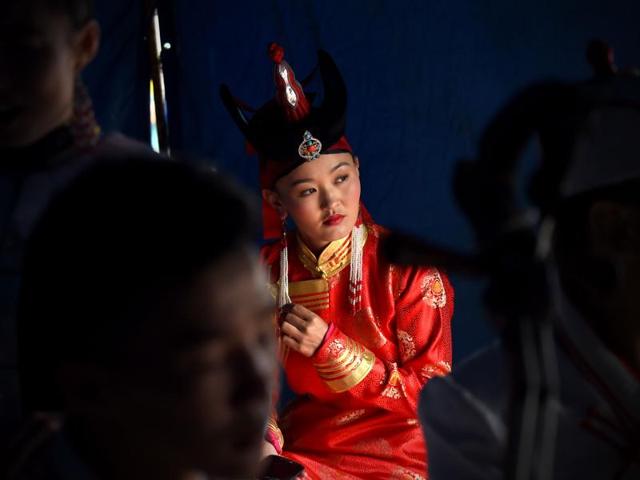
Naadam has existed for centuries in Mongolia in some form or the other. It has its origins in the military parades and sports competitions that followed various occasions including weddings and spiritual gatherings. A Mongolian artist looks on at a tent as she prepares to perform during the festival. (AFP)
7/12
 View Photos in a new improved layout
Updated on Jul 14, 2016 7:41 PM
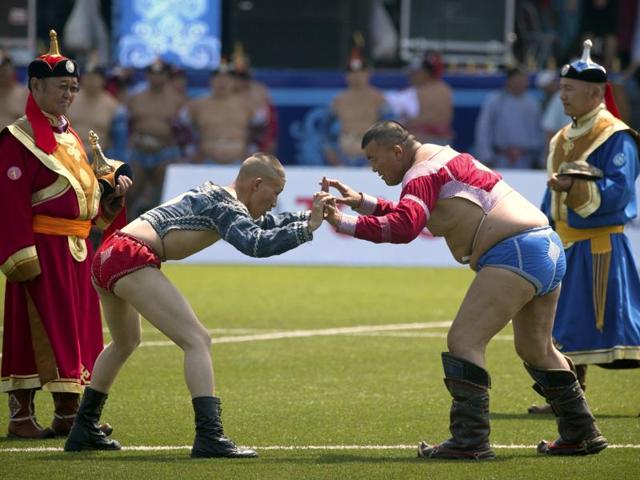
The 13th century book, The Secret History of the Mongols, mentions wrestling, horse racing and archery. An official watches as wrestling competitors square off. (AP)
8/12
 View Photos in a new improved layout
Updated on Jul 14, 2016 7:41 PM
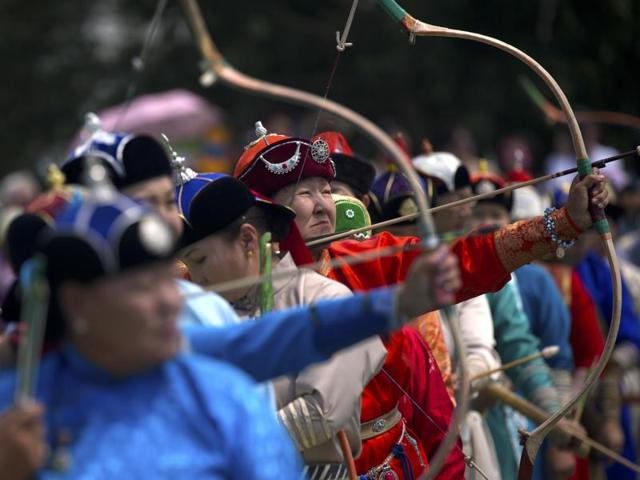
The festival also commemorates the 1921 Revolution when Mongolia declared its independence from China. Mongolian women take part in an archery competition. (AP)
9/12
 View Photos in a new improved layout
Updated on Jul 14, 2016 7:41 PM
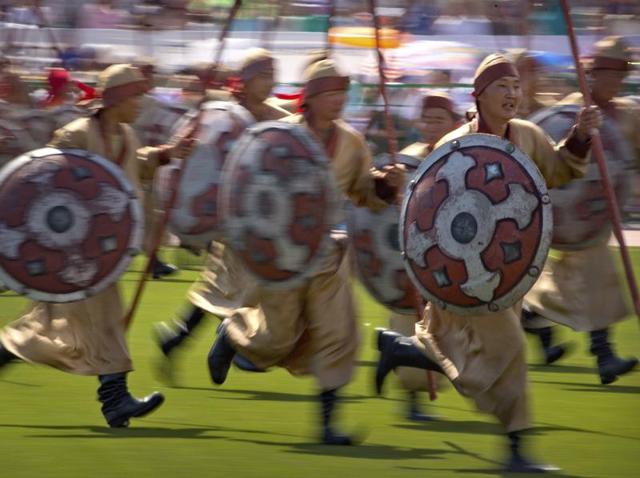
The festival is held all over Mongolia but the biggest one, the National Naadam, takes places the Mongolian capital Ulaanbaator during its national holiday (July 11 - 13). Performers carrying spears and shields run across the field as part of the festival. (AP)
10/12
 View Photos in a new improved layout
Updated on Jul 14, 2016 7:41 PM
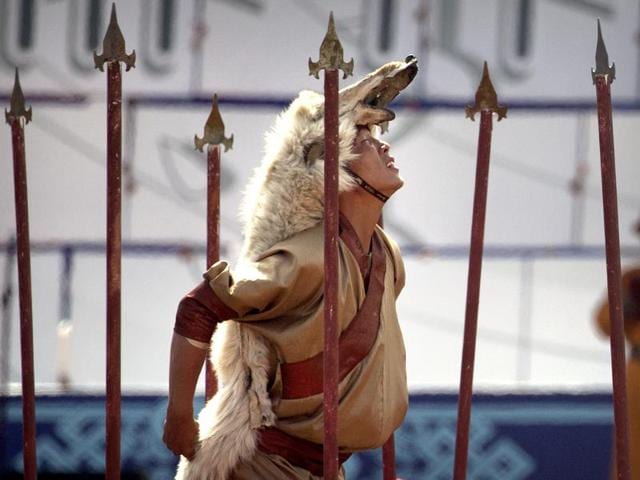
A performer wearing a wolfskin strikes a pose. (AP)
11/12
 View Photos in a new improved layout
Updated on Jul 14, 2016 7:41 PM
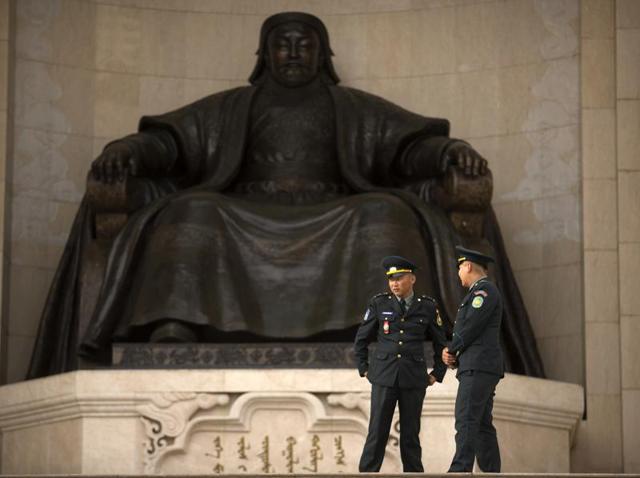
Mongolians celebrate July 11 as the anniversary of Mongolian emperor Genghis Khan’s march to world conquest. Officers stand guard in front of the statue of Genghis Khan at Sukhbaatar Square in Ulaanbaator. (AP)
12/12
 View Photos in a new improved layout
Updated on Jul 14, 2016 7:41 PM


