
 E-Paper



Photos: China’s ‘dancing aunties’ kick up their heels
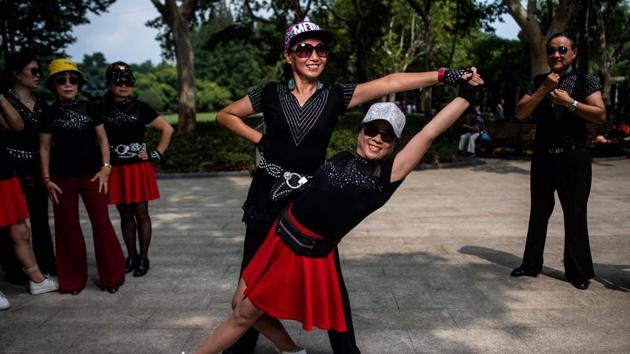
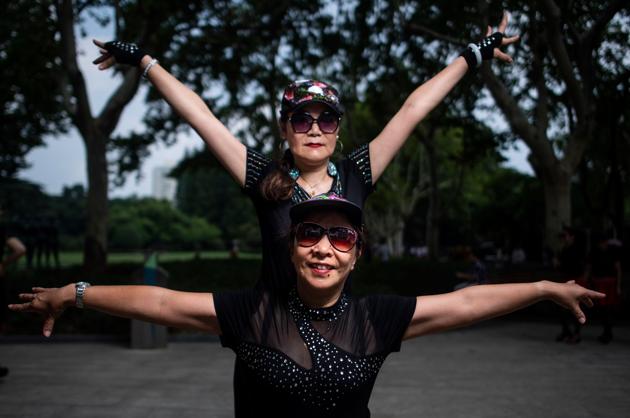
In a sparkling white cap and oversized sunglasses, 55-year-old retiree Zhang Yongli and dozens of neighbours liven up a Shanghai park by doing the jitterbug, part of a public dance craze that has become China's national pastime. Every day, an estimated more than 100 million people -- dubbed "dancing aunties" as they are primarily older women -- take over squares and parks to tango, waltz, and grind out everything from flamenco to Chinese traditional dance. Complaints over speakers blaring late at night have ensued, and even physical brawls pitting aunties against others vying for park turf.
Updated on: Oct 07, 2018 2:14 PM IST

Share via


Copy link

1/10
 View Photos in a new improved layout
Updated on Oct 07, 2018 2:14 PM
Two women from a square dancing team striking a pose for a photograph in a public park in Shanghai. In a sparkling white cap and oversized sunglasses, 55-year-old retiree Zhang Yongli and dozens of neighbours liven up a park by doing the jitterbug, part of a public dance craze that has become China’s national pastime. (Johannes Eisele / AFP)
2/10
 View Photos in a new improved layout
Updated on Oct 07, 2018 2:14 PM
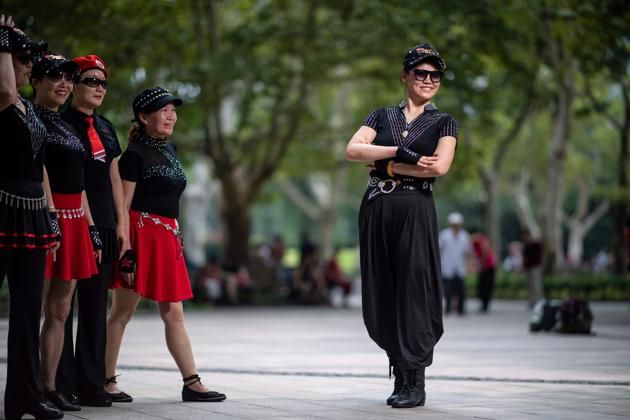
Every day, an estimated more than 100 million people -- dubbed “dancing aunties” as they are primarily older women -- take over squares and parks to tango, waltz, and grind out everything from flamenco to Chinese traditional dance. Complaints over speakers blaring late at night have ensued, and even physical brawls pitting aunties against others vying for park turf. (Johannes Eisele / AFP)
3/10
 View Photos in a new improved layout
Updated on Oct 07, 2018 2:14 PM
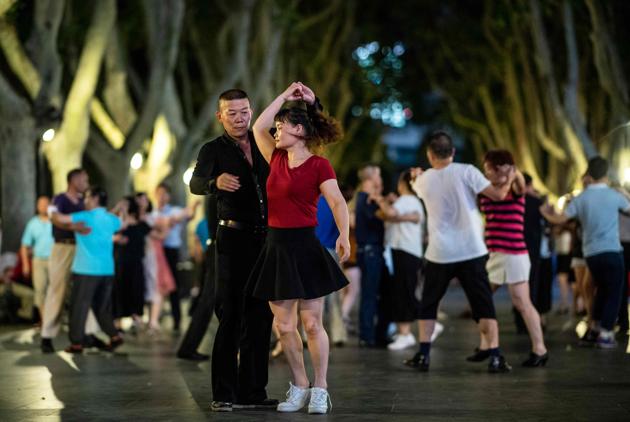
A couple dances in a Shanghai park. But toes are tapping to an ever-quickening beat as “square dancing” -- as it is known in China -- booms. Teams are competing in dance-offs featuring thousands of contestants, while a thriving market of dance-related paraphernalia and mobile apps catches the attention of the business world. (Johannes Eisele / AFP)
4/10
 View Photos in a new improved layout
Updated on Oct 07, 2018 2:14 PM
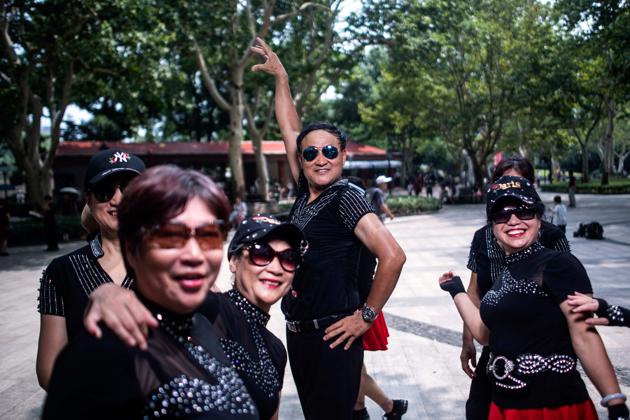
A man from a square dancing team striking a pose. Even the government has jumped on the bandwagon to extol the health benefits. “Square dancing happens wherever there is a square,” said Wang Guangcheng, a fitness instructor and choreographer who helps the government devise dance routines and is widely known as China’s “Square Dance Prince”. (Johannes Eisele / AFP)
5/10
 View Photos in a new improved layout
Updated on Oct 07, 2018 2:14 PM
Zhang “was sitting at home, doing nothing” after retiring five years ago from her job and treating diabetes, high blood pressure and cholesterol. “Since I started dancing, my (health) indicators are now normal. I no longer need medication,” she said as her neighbourhood dance group twirled. “I also look younger,” said Zhang, who has jitterbugged away 11kg of bodyweight. (Johannes Eisele / AFP)
6/10
 View Photos in a new improved layout
Updated on Oct 07, 2018 2:14 PM
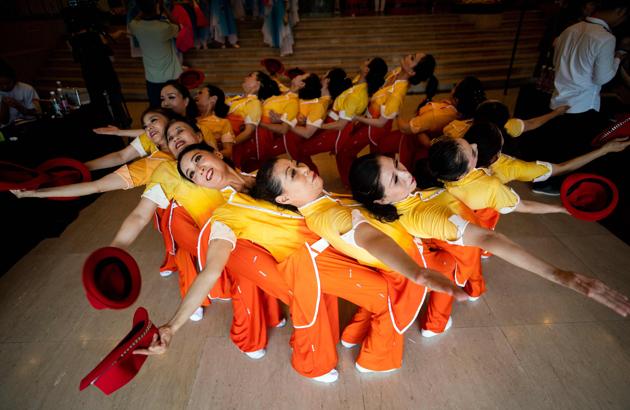
A group of square dancers practices in the lobby of a local theatre. Mass public dancing took root after the 1949 Communist takeover as the government organised communal activities to foster unity and loyalty to the party. But it has really taken off lately as China finds more leisure time, and nearly every neighbourhood park or square today is enlivened by dancers availing the free exercise. (Johannes Eisele / AFP)
7/10
 View Photos in a new improved layout
Updated on Oct 07, 2018 2:14 PM
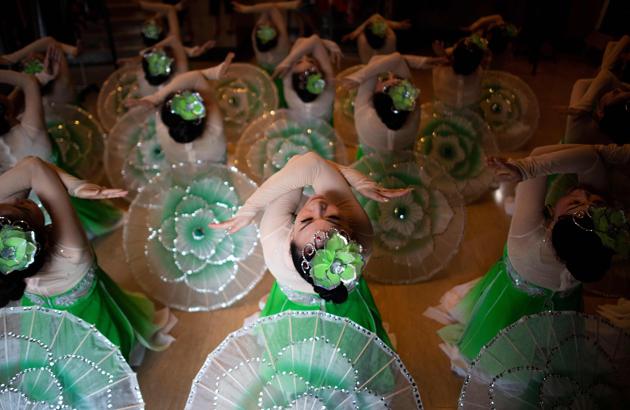
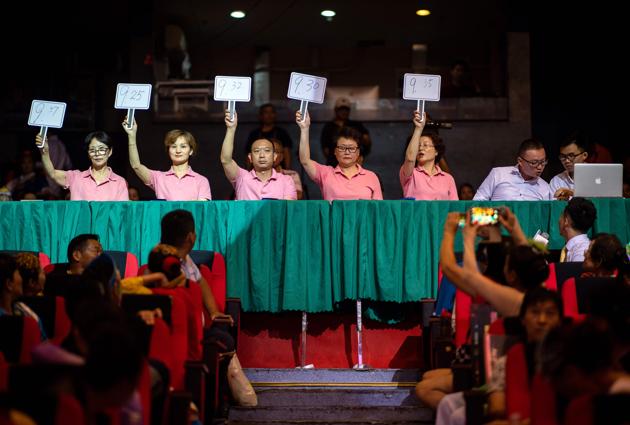
A group of square dancers practice during a city-wide dance competition. Local contests are proliferating. Shanghai retiree Li Zhenhua’s team worked with a professional instructor for weeks, enduring the winter chill and the summer heat of their local square to train for a months-long citywide contest that culminated in August. (Johannes Eisele / AFP)
8/10
 View Photos in a new improved layout
Updated on Oct 07, 2018 2:14 PM
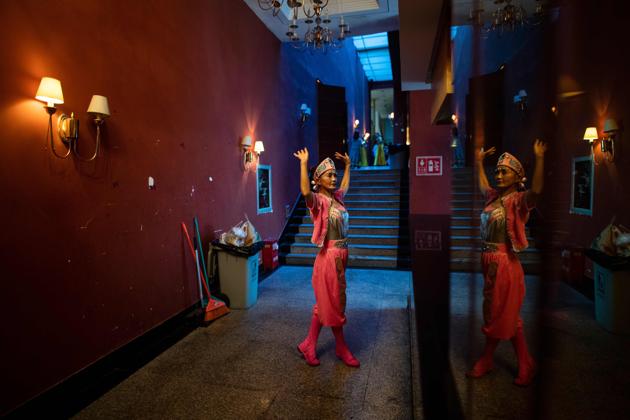
Taobao, the leading Chinese e-commerce site, and other businesses are expressly targeting the booming market to sell clothing, speakers, and gadgets for watching and learning new dances. Many businesses seek to tap into the wider “silver economy” represented by dancers, by selling travel packages, financial services and other products geared towards retirees. (Johannes Eisele / AFP)
9/10
 View Photos in a new improved layout
Updated on Oct 07, 2018 2:14 PM
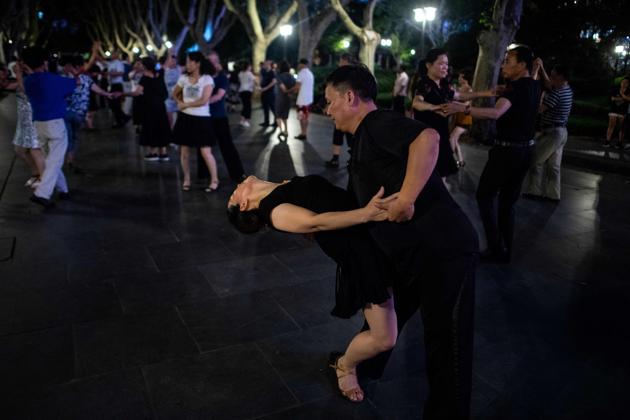
One recent weekend, hundreds filled a tree-lined park in Shanghai, waltzing or forming conga lines, and children doing the cha-cha. Often, they dance to old Chinese revolutionary standards or patriotic tunes. “We are not only delivering a fitness culture, but also the concept of a prosperous country,” said choreographer Wang. “Many songs we choose express our national characteristics and values.” (Johannes Eisele / AFP)
10/10
 View Photos in a new improved layout
Updated on Oct 07, 2018 2:14 PM


