
 E-Paper



Photos: CPEC gains flow one-way to China, Pakistanis unhappy
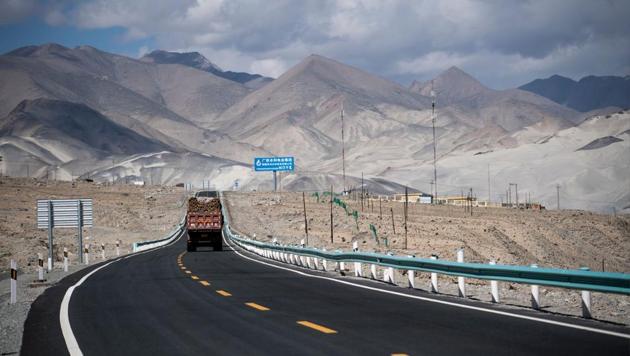
The China-Pakistan Friendship Highway runs over 1,300 kilometres (800 miles) is the crown jewel of China’s One Belt, One Road (OBOR) initiative from the far western Chinese city of Kashgar through Karakoram and into Pakistan occupied Kashmir . For China, the two-lane thoroughfare symbolizes a blossoming partnership but for many Pakistani businessmen on the Chinese side of the border, the road is a one way street. India has abstained from the OBOR initative citing concerns over CPEC passing through disputed territory.
Updated on: Aug 03, 2017 12:00 PM IST

Share via


Copy link

1/10
 View Photos in a new improved layout
Updated on Aug 03, 2017 12:00 PM
A truck driving along the China-Pakistan Friendship Highway before the Karakorum mountain range near Tashkurgan. For China, the two-lane thoroughfare symbolizes a blossoming partnership, nourished with tens of billion of dollars of infrastructure investment. But for many Pakistani businessmen living and working on the Chinese side of the border, the road is a one way street. (Johannes EISELE / AFP)
2/10
 View Photos in a new improved layout
Updated on Aug 03, 2017 12:00 PM
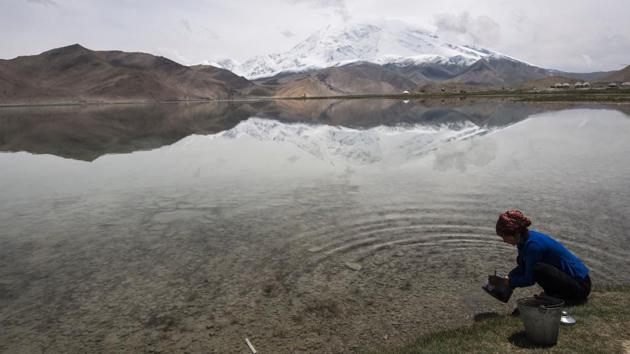
A woman collecting water from the Karakul Lake before the Karakorum mountain range next to the China-Pakistan Friendship Highway, near Tashkurgan. The remote town of around 9,000 is at the geographic heart of Beijing’s plans to build a major trade artery – the China-Pakistan Economic Corridor (CPEC) — connecting Kashgar to the Arabian Sea port of Gwadar. (Johannes EISELE / AFP)
3/10
 View Photos in a new improved layout
Updated on Aug 03, 2017 12:00 PM
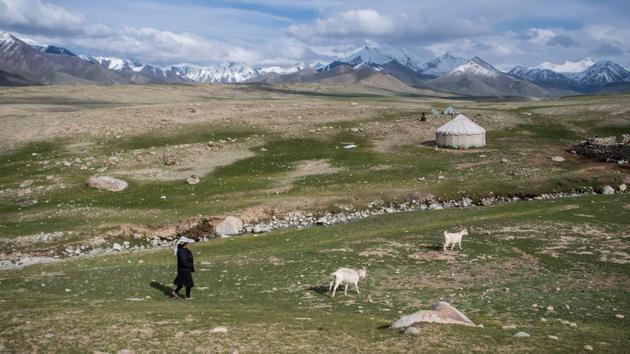
The project is a crown jewel of China’s One Belt, One Road (OBOR) initiative, a massive global infrastructure programme to revive the ancient Silk Road and connect Chinese companies to new markets around the world. (Johannes EISELE / AFP)
4/10
 View Photos in a new improved layout
Updated on Aug 03, 2017 12:00 PM
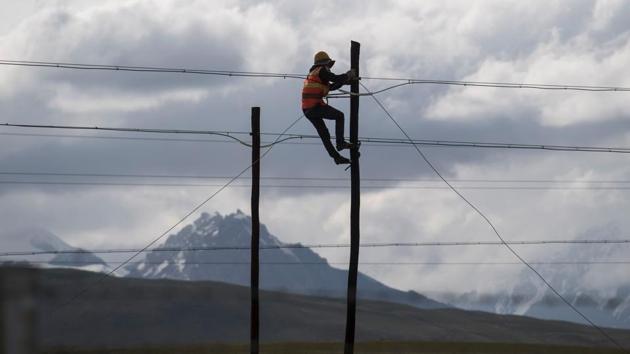
OBOR - ‘One Belt’ part of it refers to the Silk Road Economic Belt while the ‘One Road’ refers to the 21st-century Maritime Silk Road. Jointly, they’re meant to be a revival of the ancient Silk Road trading routes. (Johannes EISELE / AFP)
5/10
 View Photos in a new improved layout
Updated on Aug 03, 2017 12:00 PM
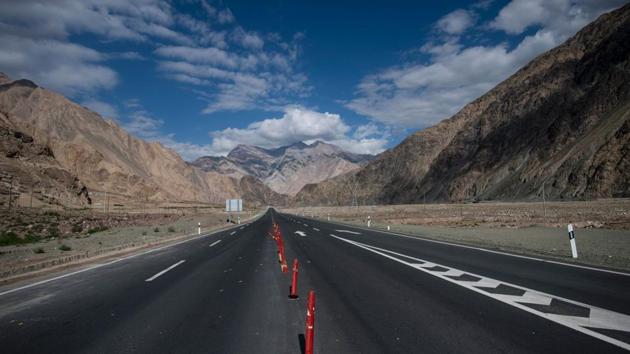
In 2013, Beijing and Islamabad signed agreements worth $46 billion to build transport and energy infrastructure along the corridor, and China has upgraded the treacherous mountain road better known as the Karakoram Highway. (Johannes EISELE / AFP)
6/10
 View Photos in a new improved layout
Updated on Aug 03, 2017 12:00 PM
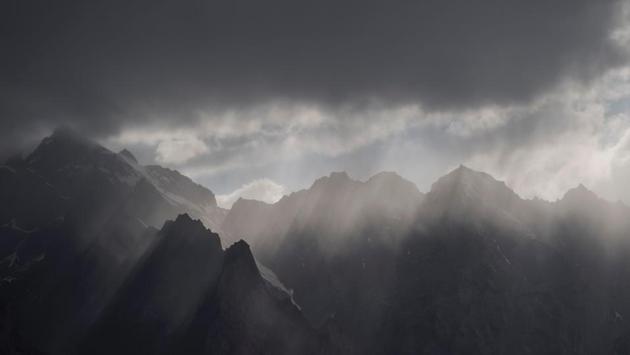
While both countries say the project is mutually beneficial, data shows a different story. Pakistan’s exports to China fell by almost eight percent in the second half of 2016, while imports jumped by almost 29 percent. (Johannes EISELE / AFP)
7/10
 View Photos in a new improved layout
Updated on Aug 03, 2017 12:00 PM
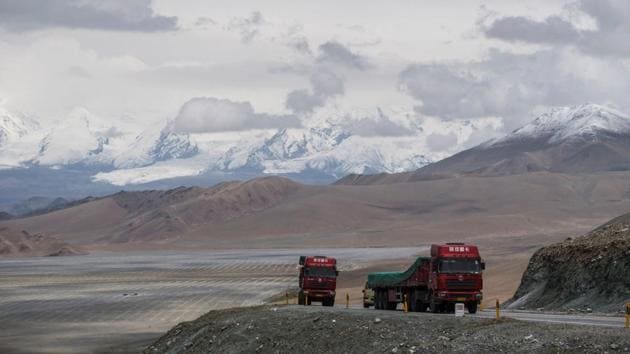
In June, on the 300 kilometre trip between Kashgar and Tashkurgan, drivers were stopped at six police checkpoints, while their passengers had to walk through metal detectors and show identification cards. Signs warn that officials can check mobile phones for ‘illegal’ religious content. (Johannes EISELE / AFP)
8/10
 View Photos in a new improved layout
Updated on Aug 03, 2017 12:00 PM
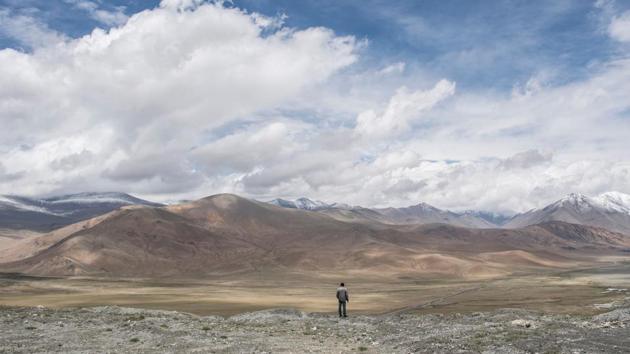
Over the last year, Beijing has flooded Xinjiang, which has a large Muslim population, with tens of thousands of security personnel and imposed draconian rules to eliminate ‘extremism’. (Johannes EISELE / AFP)
9/10
 View Photos in a new improved layout
Updated on Aug 03, 2017 12:00 PM
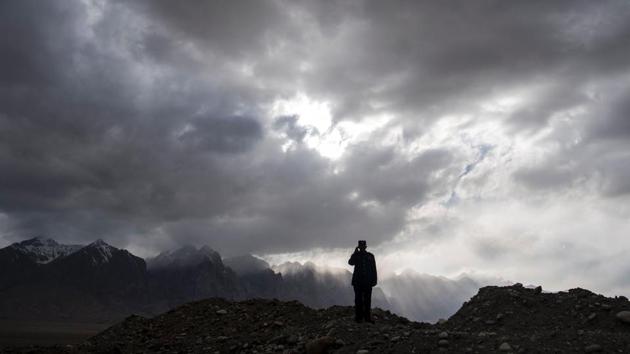
Businessmen complain they are not allowed to worship at local mosques, while shops can be closed for up to a year for importing merchandise with Arabic script. (Johannes EISELE / AFP)
10/10
 View Photos in a new improved layout
Updated on Aug 03, 2017 12:00 PM


