
 E-Paper



Photos: Danish fishing communities fear Brexit could sink them
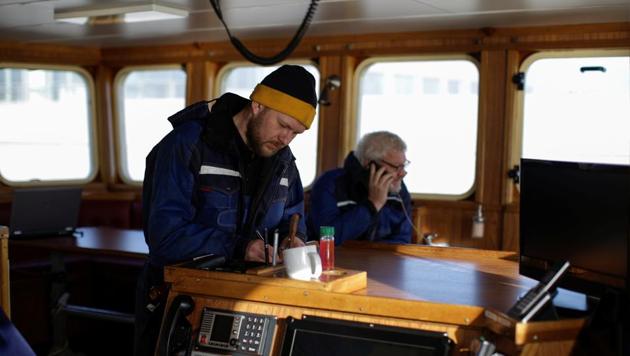
In the small fishing town of Thyboron on the northwestern coast of Denmark, many fishermen worry the British waters they have become increasingly dependent on will be out of reach when Britain leaves the European Union. Since the 1970s, EU fishermen have had access to British waters under a deal, that many in Britain saw as unfair. Now some see Brexit as a chance to "take back control" of their waters and keep foreign vessels out.
Updated on: May 01, 2019 10:26 AM IST

Share via


Copy link

1/11
 View Photos in a new improved layout
Updated on May 01, 2019 10:26 AM
Poul Erik Rom, 35, and his father Ejvind, 65, are from a long line of fishermen. Each year they land fish worth some 25 million Danish Crowns ($3.75 million) from their vessel, one third of which come from British waters. Poul Erik began his career in the offshore oil industry, but in 2011 he bought into a fishing vessel made by his father, who has been a fisherman all his life. (Andrew Kelly / REUTERS)
2/11
 View Photos in a new improved layout
Updated on May 01, 2019 10:26 AM
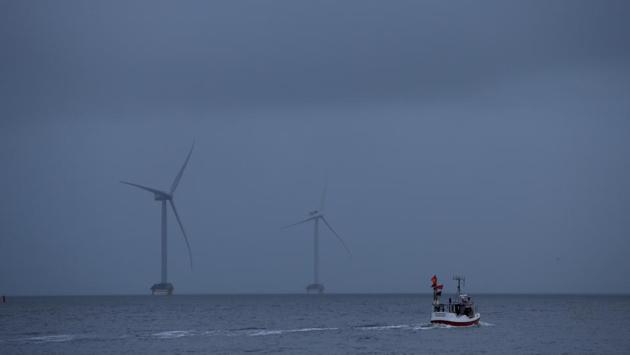
A fishing boat sails in front of wind turbines through the Thyboron Canal in Jutland, Denmark. “I like the unpredictability of fishing. Sometimes we catch 200 kilos, sometimes two tonnes, and we never know what prices we will get,” said Poul Erik. But the uncertainty as Britain leaves the European Union is more excitement than he had hoped for. (Andrew Kelly / REUTERS)
3/11
 View Photos in a new improved layout
Updated on May 01, 2019 10:26 AM
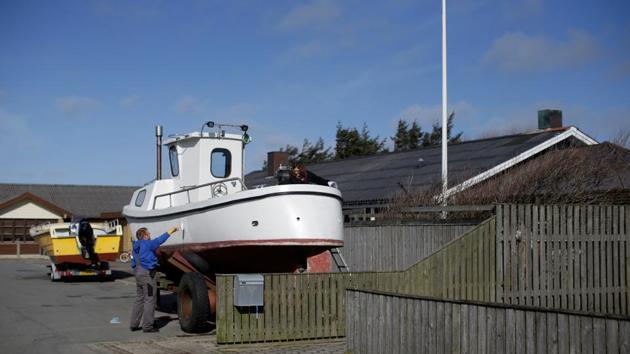
Fisherman Michael Bork paints his boat outside his house with his partner Sabrina Mikkelsen during his time on land. “This town could end up closing down because of Brexit,” said Bork, 36, who has been fishing since the age of 10. Between 30 and 40% of the catch landed in Thyboron Port come from British waters. (Andrew Kelly / REUTERS)
4/11
 View Photos in a new improved layout
Updated on May 01, 2019 10:26 AM
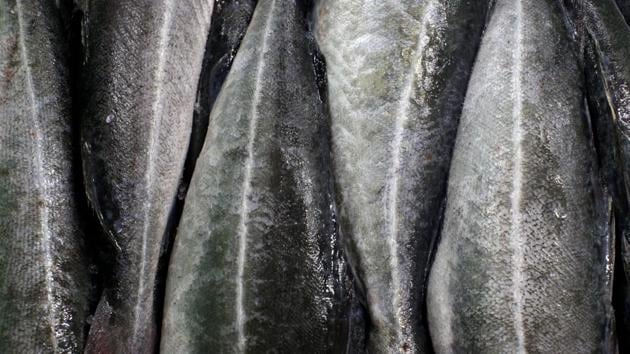
A haul of coalfish caught in British waters sits in freezers at the Danske Fiskeauktioner, a fish auction facility in Thyboron. “We just hope we can stay afloat. But without access to British waters, fishing spots in Danish waters will be congested with Dutch and Belgian fishermen along with the Danish vessels. There simply aren’t enough fish for that. The industry will collapse,” said Michael Bork. (Andrew Kelly / REUTERS)
5/11
 View Photos in a new improved layout
Updated on May 01, 2019 10:26 AM
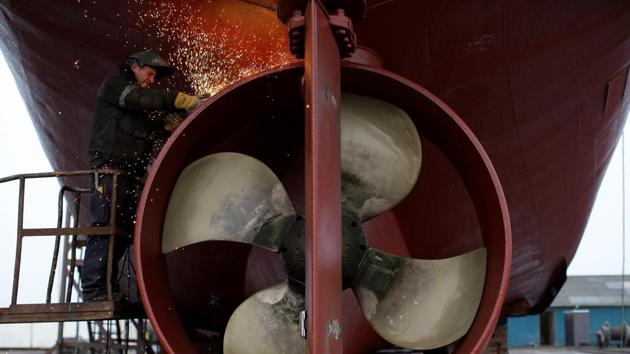
A worker repairs a ship at Thyboron Ophalerbedding. In 2015 - one year before the British voted to leave the EU - Poul Erik and his father retrofitted their vessel to make room for bigger catch on their journeys deeper into British waters. “It seems like we have to sail further and further away from the shore to find the fish,” said Poul, who worries what will happen if he is restricted access to British water. (Andrew Kelly / REUTERS)
6/11
 View Photos in a new improved layout
Updated on May 01, 2019 10:26 AM
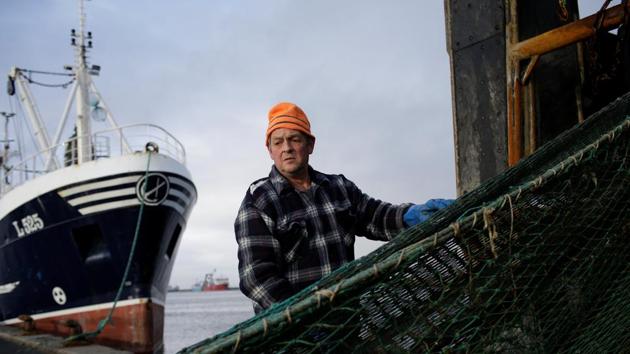
Allan Jorgensen, a fisherman for 44 years, helps wind a net back onto the ship Linette. The problem for Danish fishermen is that as the water warms due to climate change, the fish they rely on tend to swim towards colder waters nearer the UK and further north. Under a ‘no deal’ Brexit, Britain can choose to close its sea border completely overnight or wait until the end of 2019, according to the Danish fishing minister. (Andrew Kelly / REUTERS)
7/11
 View Photos in a new improved layout
Updated on May 01, 2019 10:26 AM
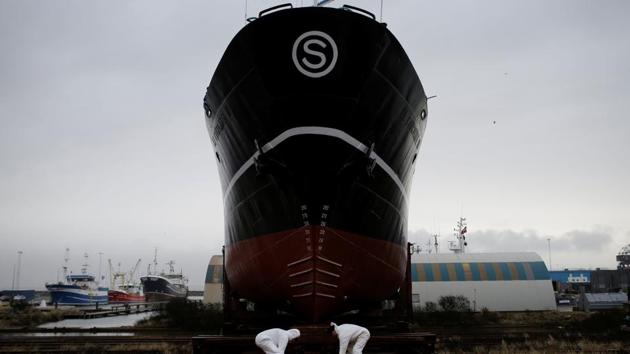
Viggo Andersen and Jesper Godtfredsen prepare to relaunch a ship at Thyboron Ophalerbedding. If a deal is reached, EU fishing vessels could have temporary access until a permanent trade deal is reached. European Union leaders this month gave Britain six more months until October 31 to leave the bloc, but the British political elite is still squabbling over how, when or if it will Brexit. (Andrew Kelly / REUTERS)
8/11
 View Photos in a new improved layout
Updated on May 01, 2019 10:26 AM
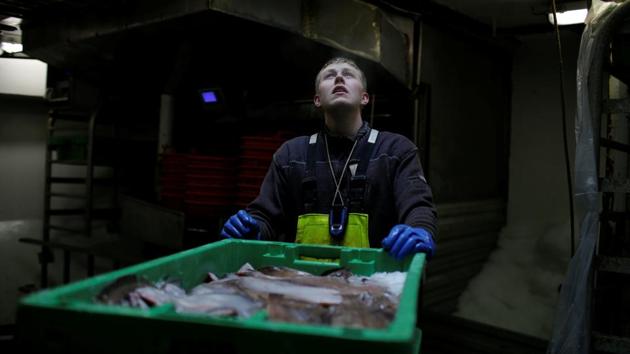
The latest postponement essentially means all options - including the hard exit are open. “For me personally I could lose my job, if our fishing in British waters was limited,” said Mikkel Jakobsen, 22, who works onboard the Pia Glanz with nine other crew. “It’s always annoying when politics get in the way,” he said. “We ordinary people can’t do much about it anyway no matter how loudly we speak.” (Andrew Kelly / REUTERS)
9/11
 View Photos in a new improved layout
Updated on May 01, 2019 10:26 AM
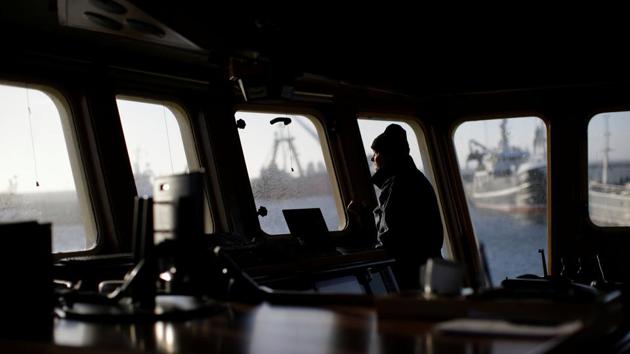
Skipper and third generation fisherman Bjarne Jensen, who has been fishing for 41 years and is from Thyboron, stands on the bridge of the ship Anna-Lise. The uncertainty is already having an impact on the local fishing industry, as new investments are being held back in ships and fishing quotas. (Andrew Kelly / REUTERS)
10/11
 View Photos in a new improved layout
Updated on May 01, 2019 10:26 AM
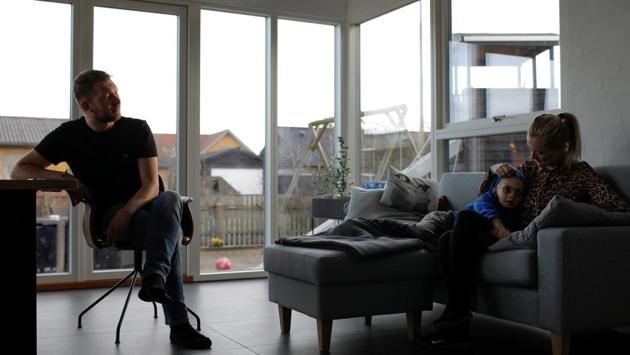
Poul Erik Rom at home with his wife Louise and son Oliver during time on land. Poul Erik and his father’s vessel, which is worth 20-25 million crowns, goes out to sea 300 days a year, with five on board at any one time out of a total crew of seven. Poul Erik has had to start considering what to do if Danish boats are excluded from British waters, and what that would mean for his livelihood. (Andrew Kelly / REUTERS)
11/11
 View Photos in a new improved layout
Updated on May 01, 2019 10:26 AM


