
 E-Paper



Photos: Exodus from Venezuela leaves families split across borders
An estimated 2.3 million Venezuelans have fled their nation's hyperinflation, food and medical shortages over the last three years, according to the United Nations. About 1 million have landed in neighbouring Colombia after making long treks by bus and foot. In one survey by Colombian officials, 73% of the more than 250,000 migrant families questioned said they had left relatives behind in Venezuela. Another smaller survey by the International Rescue Committee, a humanitarian aid group, found 52% of 312 Venezuelans recently arrived in Colombia reported being separated from at least one child they usually live with.
Updated on: Dec 17, 2018 1:07 PM IST

Share via


Copy link

1/10
 View Photos in a new improved layout
Updated on Dec 17, 2018 1:07 PM
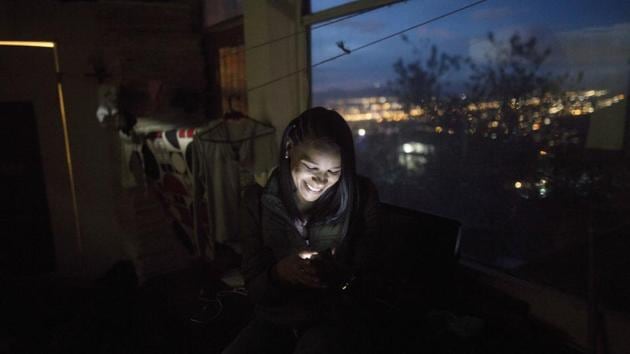
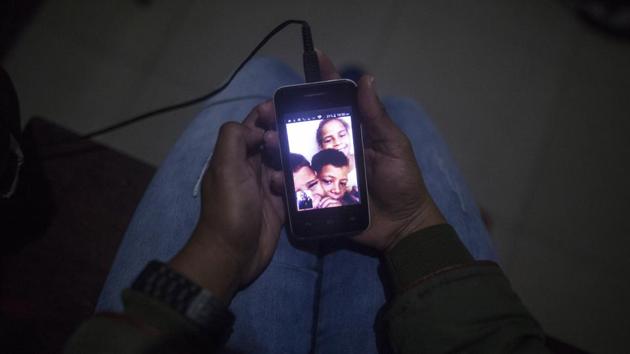
Emili Espinoza smiles during a video call with her children, in Bogota, Colombia. When Espinoza finally spoke to the 3-year-old son she hadn’t seen since fleeing Venezuela, little Elvis didn’t recognize her. His cold denial sent a shiver of sadness down her spine, overtaking joy. She reminded him of the chocolate-covered bananas she used to buy him, hoping to trigger a memory. But his young mind couldn’t grasp the recollection. (Ivan Valencia / AP)
2/10
 View Photos in a new improved layout
Updated on Dec 17, 2018 1:07 PM
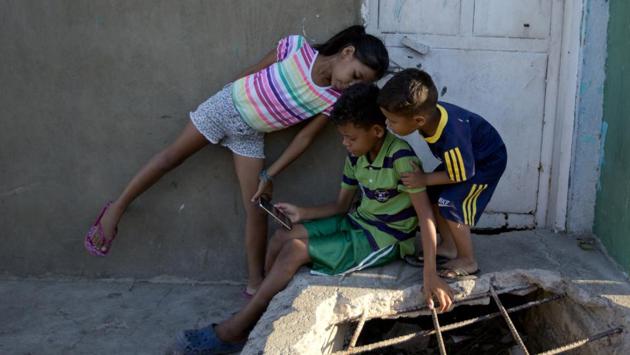
Like thousands in what the UN calls the largest exodus in South America’s modern history, Espinoza made an agonizing choice six months ago: To leave without her three children. She did not have the money to bring them and had no idea what trials she might face in Colombia. So she left them with her brother, hoping to earn enough to feed them and, with time, reunite. (Fernando Llano / AP)
3/10
 View Photos in a new improved layout
Updated on Dec 17, 2018 1:07 PM
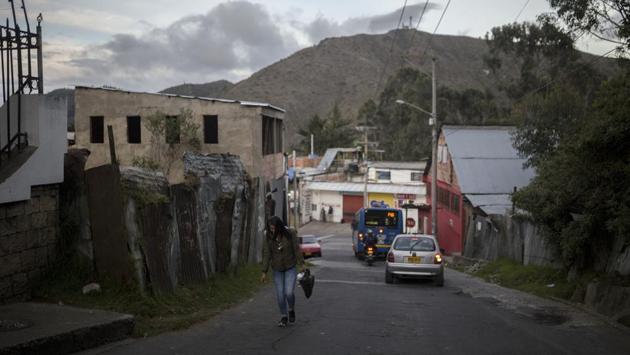
Espinoza makes her way to the room she shares with other migrants. It’s a pattern that echoes other migrations throughout the world, from Central America, the Caribbean and Asia: Heads of households are fleeing first, with hopes — sometimes frustrated — that their families can soon join them. The result is a profound alteration of families, with sometimes devastating consequences. (Ivan Valencia / AP)
4/10
 View Photos in a new improved layout
Updated on Dec 17, 2018 1:07 PM
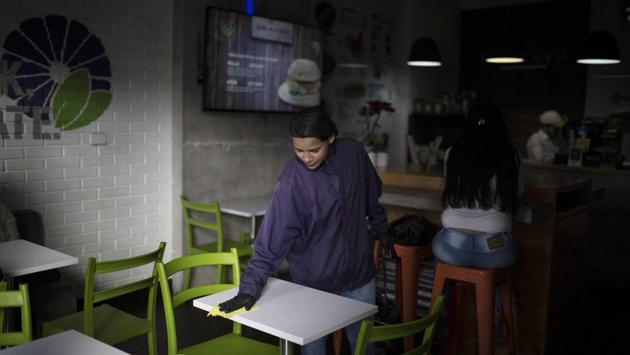
Co-workers at the health foods restaurant in Bogota where Espinoza cleans tables tried to console her, saying the child was simply confused and likely associated the word “mother” with any one of the female neighbours or relatives now helping take care of him. “He would consider that person his mother and not me,” she said, weeping at the memory. (Ivan Valencia / AP)
5/10
 View Photos in a new improved layout
Updated on Dec 17, 2018 1:07 PM
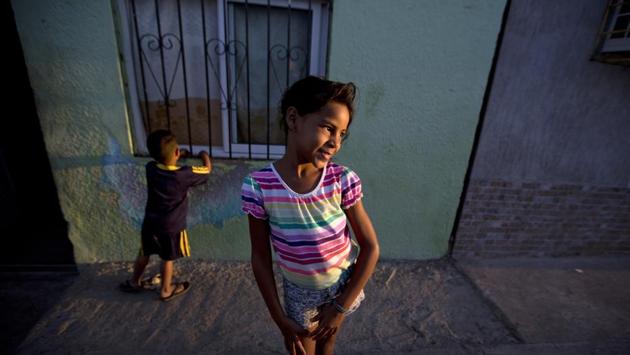
Experts studying migrant families say the same factors typically drive the decision to flee without children, regardless of location: Uncertainty about the journey, worries about job prospects in a new country and a belief that the separation is temporary. A rise in female migration in recent decades has also led to larger numbers of children separated from their mothers. (Fernando Llano / AP)
6/10
 View Photos in a new improved layout
Updated on Dec 17, 2018 1:07 PM
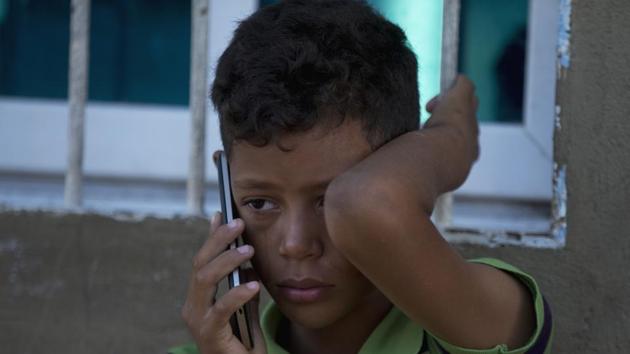
The impact can vary depending on age and length of time apart, said Joanna Dreby, associate professor of sociology at the University at Albany, New York. Babies and toddlers are at an age where bonding is considered crucial and little is known about the long-term impact of separation. Middle-school aged children tend to suffer the most adverse consequences. They know what’s going on, but may not totally understand their parent’s rationale. (Fernando Llano / AP)
7/10
 View Photos in a new improved layout
Updated on Dec 17, 2018 1:07 PM
Espinoza, a single mother, had worked a variety of jobs, once dressing up as a clown and painting faces at parties. She said her children first begged her not to leave. But then they started getting hungrier, sometimes passing two or three days without eating. While doctors told her the kids were an adequate weight, the sight of ribs peeking out from their skinny bodies perturbed her. (Ivan Valencia / AP)
8/10
 View Photos in a new improved layout
Updated on Dec 17, 2018 1:07 PM
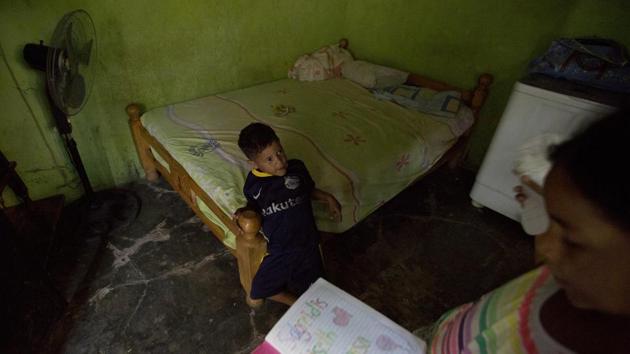
When she broached the subject a month later, her oldest, who is 10, said she could go. She promised to send enough money for them to eat pizza once a week and hopefully get Christmas presents. Her children stay with her 30-year-old brother, a nurse without children of his own, and often spend long hours with a 62-year-old neighbour whose own grandchildren have already fled. (Fernando Llano / AP)
9/10
 View Photos in a new improved layout
Updated on Dec 17, 2018 1:07 PM
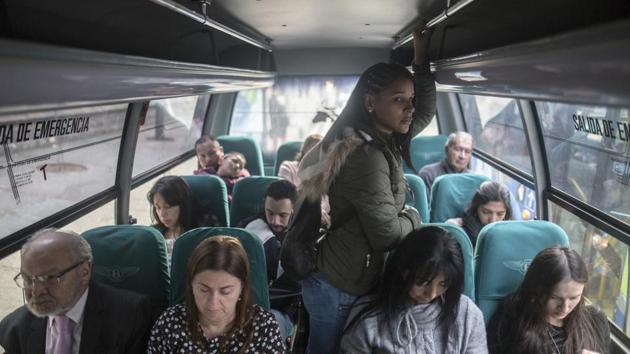
Since coming to work in Colombia, Espinoza says she’s earned enough money to at least ensure that her children are able to eat every day. Her goal now is to save enough to pay for them to take a car with her brother to Colombia and reunite before Christmas. In the meantime, she’s sustaining herself with brief video calls. (Ivan Valencia / AP)
10/10
 View Photos in a new improved layout
Updated on Dec 17, 2018 1:07 PM


