
 E-Paper



Photos: Families of Senegalese migrants wait between hope and grief
Mariama was just 12 and Abdrahamane was 21 when she first came to Dougue, Senegal. Abdrahamane crossed into Mali and then Libya in 2015, hoping to make his way to Italy. Almost 20 now, Mariama was for years neither a widow now wife. Only in the last few weeks has she begun to accept the possibility that he drowned at sea, like so many migrants. For Mariama and many others in eastern Senegal, there is anguish in each day that passes without word. And how long does a woman wait for her husband to return before she is a widow?
Updated on: Dec 29, 2018 11:22 AM IST

Share via


Copy link

1/10
 View Photos in a new improved layout
Updated on Dec 29, 2018 11:22 AM
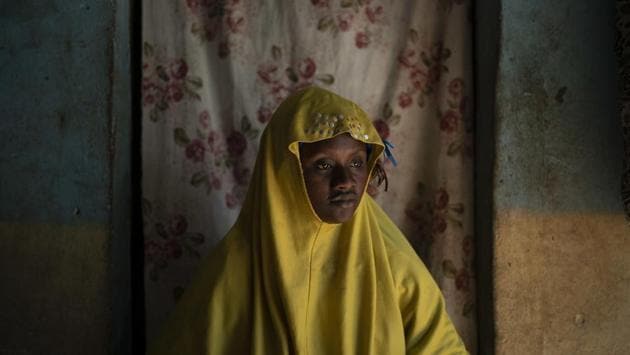
Mariama Konte wears a widow’s veil in a village near Goudiry, Senegal. Barely 20 years old, Konte was neither widow nor wife. For nearly four years, she told her two young children that their father is travelling for work. Only in the last few weeks has she begun to accept the possibility that Abdrahamane drowned at sea, like so many migrants from this dusty corner of eastern Senegal. (Felipe Dana / AP)
2/10
 View Photos in a new improved layout
Updated on Dec 29, 2018 11:22 AM
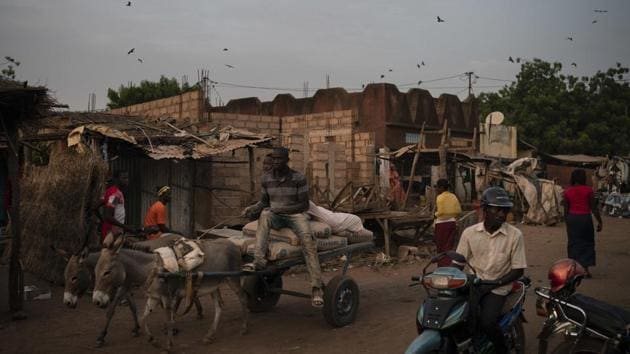
People ride a donkey cart on a street after sunset in Goudiry. She recently put on the veil of a widow and now must stay at home until a mourning period of four months and 10 days comes to a close. Mariama will not change clothes, work in the fields or eat meals with her husband’s family. (Felipe Dana / AP)
3/10
 View Photos in a new improved layout
Updated on Dec 29, 2018 11:22 AM
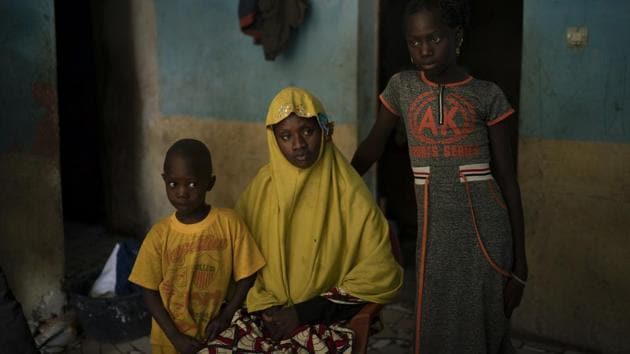
Other families in the village who lost sons or husbands at around the same time mourned their loved ones long ago with the sacrifice of a sheep. Even after marking that milestone just weeks ago, Mariama wonders whether her husband is really gone. “If he is not dead, then the sacrifice we made will maybe help us find him,” she said. (Felipe Dana / AP)
4/10
 View Photos in a new improved layout
Updated on Dec 29, 2018 11:22 AM
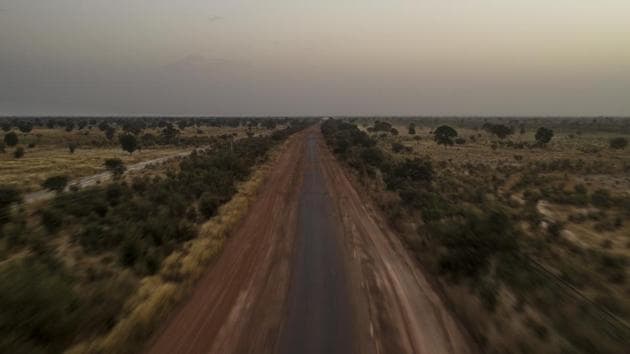
For Mariama and so many others in eastern Senegal, there is anguish in each day that passes without contact. And how long does a woman wait for her husband to return before she is a widow? Mariama was just 12 and Abdrahamane 21 when she first came to Dougue. They had a daughter, and then a son, who was just a baby when Abdrahamane crossed into Mali and then Libya. (Felipe Dana / AP)
5/10
 View Photos in a new improved layout
Updated on Dec 29, 2018 11:22 AM
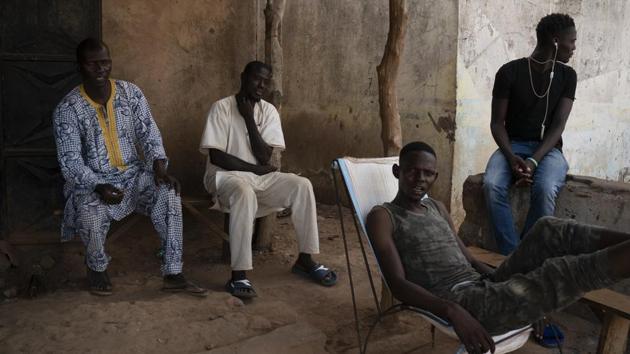
People sit outside in the shade in a village near Goudiry. From Libya, Abdrahamane called and asked his brother to sell three of their father’s cattle for money he needed to take the boat to Italy. In 2015, tragedy struck for seven Dougue families whose sons were lured by the success of another group. None have returned. After the funeral rites for Abdrahamane, only one family still holds out hope. (Felipe Dana / AP)
6/10
 View Photos in a new improved layout
Updated on Dec 29, 2018 11:22 AM
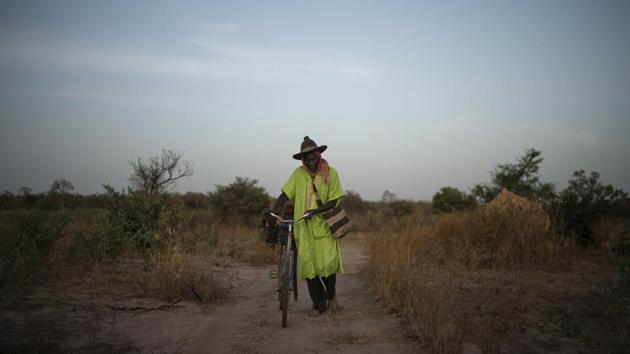
69-year-old Cheikh Fofana similarly grieves his son’s absence, refusing to officially acknowledge he is dead. Tidiane was one of 18 children — though the only one who noticed when his aging father or widowed aunt needed help. It was Tidiane who wanted to reach Europe to earn enough so that Fofana would never again have to ride his bicycle to the fields to work. (Felipe Dana / AP)
7/10
 View Photos in a new improved layout
Updated on Dec 29, 2018 11:22 AM
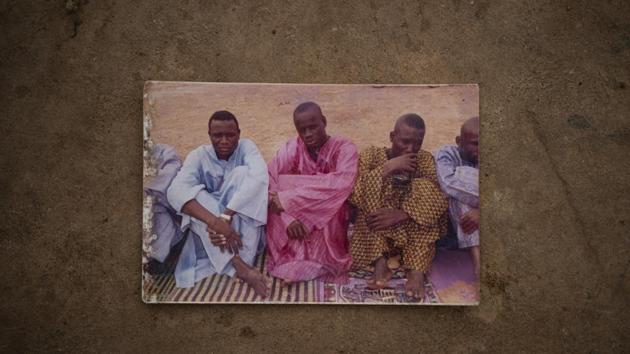
A print of Tidiane Fofana (C), sitting with friends in Goudiry, Senegal. “My child said to me, ‘If we don’t leave, how can things change?’” Tidiane followed his older brother to Libya and then called in 2015 to say he would soon be crossing the Mediterranean. (Felipe Dana / AP)
8/10
 View Photos in a new improved layout
Updated on Dec 29, 2018 11:22 AM
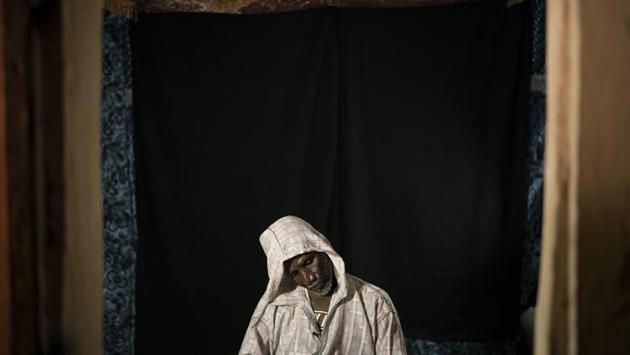
Cheikh Fofana reacts while talking about his missing son during an interview in Goudiry. Soon after, families throughout the region learned about a shipwreck that was worse than anyone had ever imagined. Twenty-eight survivors, out of as many as 1,100 who died on April 18, 2015, on board the overloaded fishing boat. (Felipe Dana / AP)
9/10
 View Photos in a new improved layout
Updated on Dec 29, 2018 11:22 AM
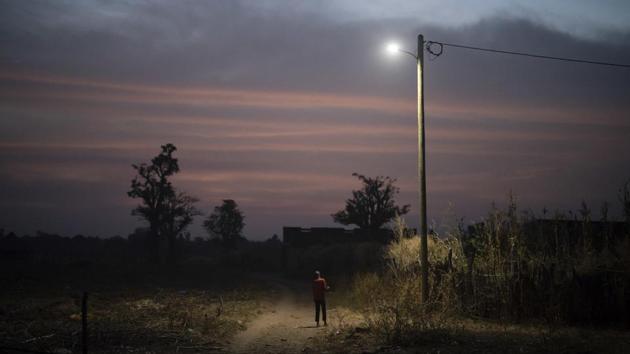
A boy stands under a street lamp at dusk in a village near Goudiry. A stranger answered the phone when Fofana called the line again. The man said Tidiane had left for Italy. “We’ve never had anyone tell us if this person is dead, if this person is alive, anything,” Fofana said. “I am always in doubt.” (Felipe Dana / AP)
10/10
 View Photos in a new improved layout
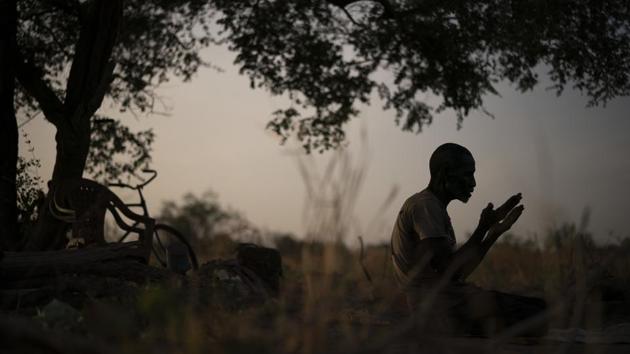
Updated on Dec 29, 2018 11:22 AM


