
 E-Paper



Photos: Immigration detainees outnumber residents in tiny Georgian town
The rural American town of Lumpkin in southwest Georgia is about 225km southwest of Atlanta and next to the Georgia-Alabama state line. The town’s 1,172 residents are outnumbered by the roughly 1,650 male detainees that US Immigration and Customs Enforcement said were being held in the detention center in late November. Lumpkin has few available resources — only three immigration lawyers work here full time. There are no hotels, and many businesses in the downtown are shuttered. In the vacuum, a small network has sprung up to help the immigrants, offering them legal advice, places for relatives to stay and even gas cards for the families.
Updated on: Jan 20, 2020 5:46 PM IST


Share via


Copy link

1/11
 View Photos in a new improved layout
Updated on Jan 20, 2020 5:46 PM
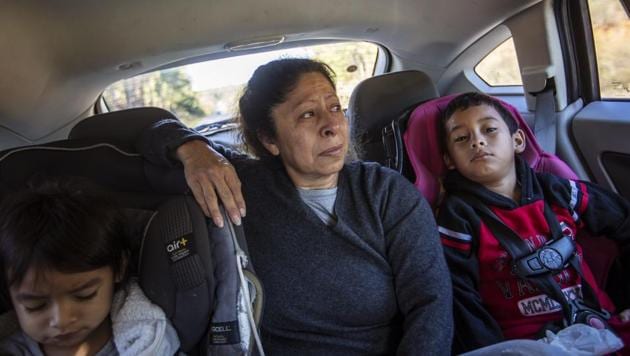
Maria Campos in the back seat of a car with her grandchildren, her eyes welling with tears as the immigration centre comes into view. The seven-hour drive from North Carolina to the Stewart Detention Centre in Georgia has become all too familiar. One of her sons was held here before being deported back to Mexico last year, leaving behind his wife and children, who accompany Campos now. (David Goldman / AP)
2/11
 View Photos in a new improved layout
Updated on Jan 20, 2020 5:46 PM
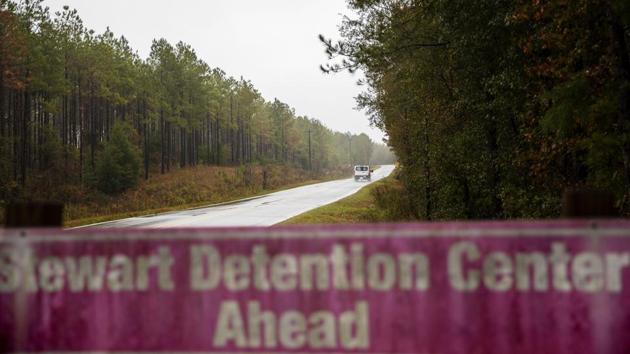
A detainee transport van travels the rural road back to the Stewart Detention Centre in Lumpkin. Campos fears her other son will meet the same fate after being detained when police were called on his friend. “I said, ‘Don’t tell me this,’” she told AP saying to the jail officer when she learned her son had been sent to Stewart. “I can’t think. I can’t talk. I can do nothing. My mind stays blank.” (David Goldman / AP)
3/11
 View Photos in a new improved layout
Updated on Jan 20, 2020 5:46 PM
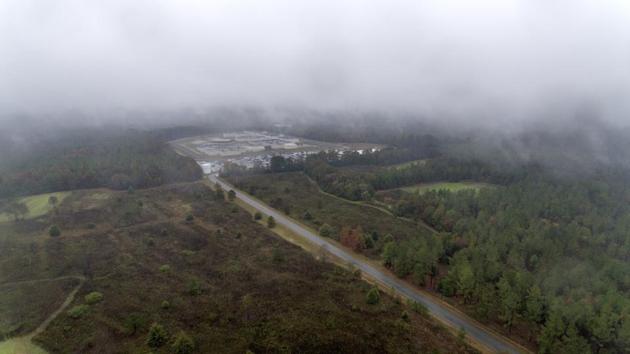
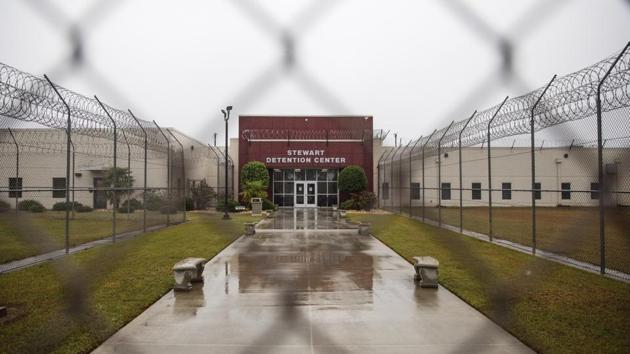
The razor-wire-ringed detention centre stands beige and gray in the green outskirts of tiny Lumpkin, where detained immigrants outnumber residents. Those immigrants are caught in a larger system of immigration courts that are facing unprecedented turmoil from crushing caseloads and shifting policies. (David Goldman / AP)
4/11
 View Photos in a new improved layout
Updated on Jan 20, 2020 5:46 PM
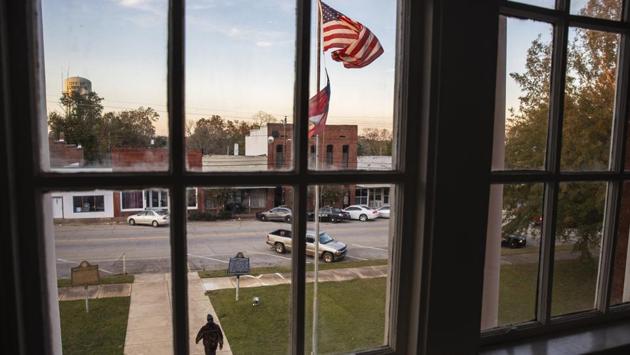
A resident leaves a meeting at the Stewart County courthouse on the town square. Lumpkin has few available resources—only three immigration lawyers work here full time. There are no hotels, and many businesses in the downtown are shuttered. In the vacuum, a small network has sprung up to help the immigrants, offering them legal advice, places for relatives to stay and even gas cards for the families. (David Goldman / AP)
5/11
 View Photos in a new improved layout
Updated on Jan 20, 2020 5:46 PM
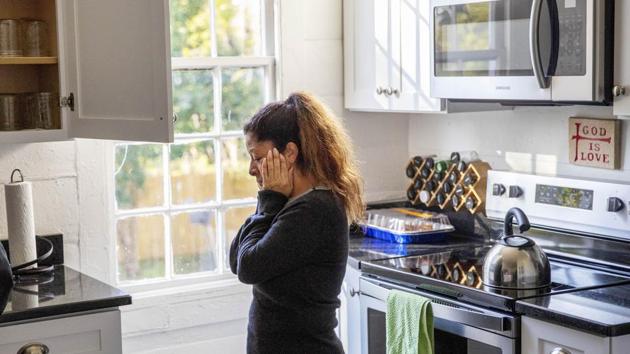
Mario Campos stands in the kitchen of El Refugio, an organization that houses families visiting detainees at the Stewart Detention Centre. Campos doesn’t have money to pay for a lawyer, so her son is representing himself. Campos, her daughter-in-law and two grandchildren stayed at El Refugio, a house run by volunteers who help with food and gas. (David Goldman / AP)
6/11
 View Photos in a new improved layout
Updated on Jan 20, 2020 5:46 PM
Campos said she feels helpless when she visits her son at the detention centre, which private company CoreCivic operates for US Immigration and Customs Enforcement. “This place is a horrible place because not all the lawyers want to go there and fight for our family members,” Campos said. (David Goldman / AP)
7/11
 View Photos in a new improved layout
Updated on Jan 20, 2020 5:46 PM
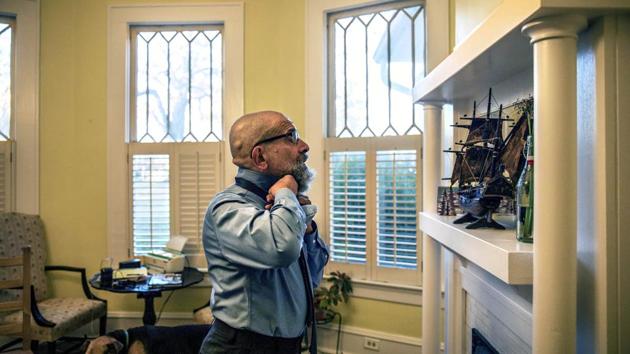
Marty Rosenbluth, one of only three immigration attorneys in the town, heads to immigration court at the detention centre. “There’s so much that happens in the court that, you know, body language, eye contact, all these other intangibles that you just lose if you were telephonic,” Rosenbluth said to AP. “But most important, I think it makes the biggest difference to the clients themselves.” (David Goldman / AP)
8/11
 View Photos in a new improved layout
Updated on Jan 20, 2020 5:46 PM
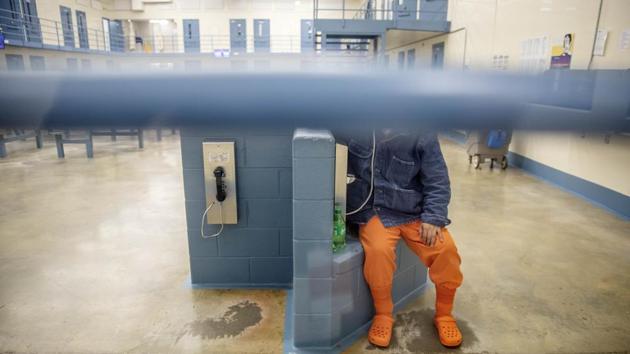
A detainee talks on the phone. It’s difficult for detained immigrants to see or speak to lawyers who live far away, they have no access to email or fax, and the phones sometimes don’t work or are expensive, attorney Erin Argueta told AP. Communications are done by mail, which slows the process of collecting documentation, filling out forms in English and getting documents translated and notarised. (David Goldman / AP)
9/11
 View Photos in a new improved layout
Updated on Jan 20, 2020 5:46 PM
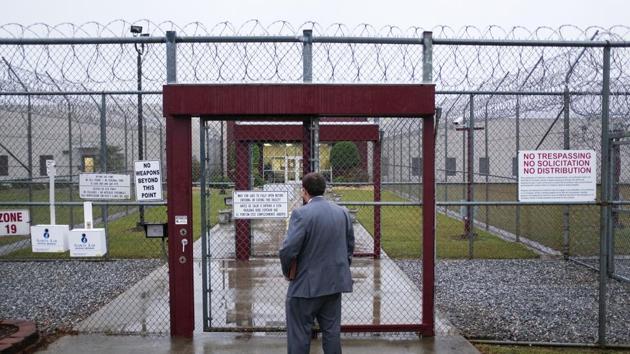
Visitors to the immigration court pass through two sliding gates set into chain-link fencing topped by loops of razor wire, the first gate closing behind them before the second opens. “I think that walking into that environment reinforces the desire to give hope to people and get them free to be with their families,” said Southeast Immigrant Freedom Initiative attorney Matt Boles, who lives full time in Lumpkin. (David Goldman / AP)
10/11
 View Photos in a new improved layout
Updated on Jan 20, 2020 5:46 PM
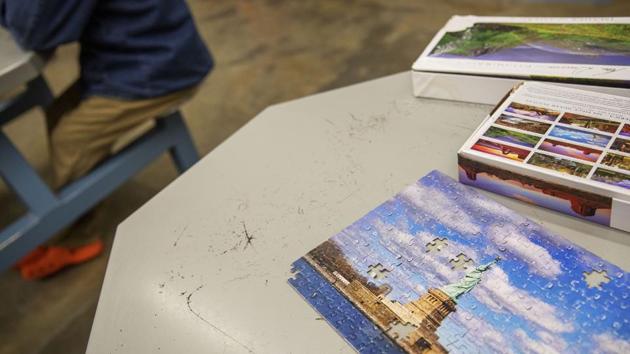
A puzzle of the Statue of Liberty sits on a table at the detention centre. When detainees are released, it’s often in the evening. If they don’t have family waiting for them, they’re driven 30 minutes away to Columbus and left at one of two bus stations. Paz Amigos, a volunteer organisation helps between 40 and 50 men a month, picking them up, feeding them and often putting them up in a hotel or a spare bedroom at a volunteer home. (David Goldman / AP)
11/11
 View Photos in a new improved layout
Updated on Jan 20, 2020 5:46 PM


