
 E-Paper



Photos: Lake Titicaca, once an Andean deity, faces pollution threat
Lake Titicaca, a giant body of water on the border between Bolivia and Peru at 3,800 meters (12,500 ft) above sea level is the highest navigable lake in the world. The island fishing community near Titicaca's southern tip has seen big changes over the years. Many have moved away from the village on Pariti island, while urban sprawl from nearby cities has created a rising problem of pollution, altering the lake's landscape and forcing those that live around it to adapt. Environmentalists are worried about the long-term impact to the lake because ecosystems of its kind are highly sensitive to global warming, making it an early-warning marker of changes happening more broadly to the planet.
Updated on: Sept 9, 2019 3:47 PM IST


Share via


Copy link

1/11
 View Photos in a new improved layout
Updated on Sept 9, 2019 3:47 PM
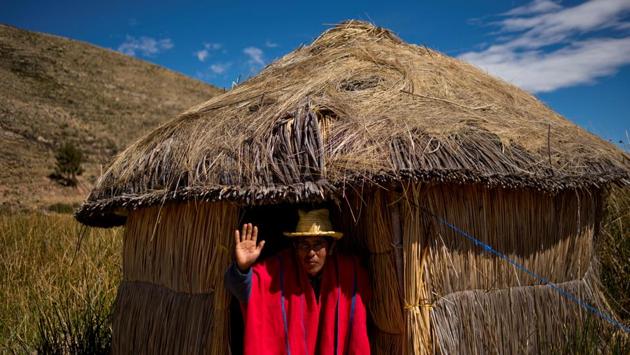
Oscar Limachi, 48, a member of the local Qewaya community who works as a tour guide on Lake Titicaca, in Qewaya village, Bolivia. Limachi said that waste and a lack of understanding about pollution risk changing the habitat forever. “It is also our fault, people throw garbage and plastic everywhere, they don’t understand this is polluting,” he said. (Manuel Seoane / REUTERS)
2/11
 View Photos in a new improved layout
Updated on Sept 9, 2019 3:47 PM
Isaac Callizaya and his son read comics at his home in El Alto city, Bolivia. Callizaya, 39, grew up with the sound of waves lapping the shores of Lake Titicaca. “When I was a child in the nineties, all families on the island lived off fishing. Today only three families are fishing, catching just some 20 fishes per day,” Callizaya said.” Before the year 2000 there were around 50 students at primary level. This year we only have one.” (Manuel Seoane / REUTERS)
3/11
 View Photos in a new improved layout
Updated on Sept 9, 2019 3:47 PM
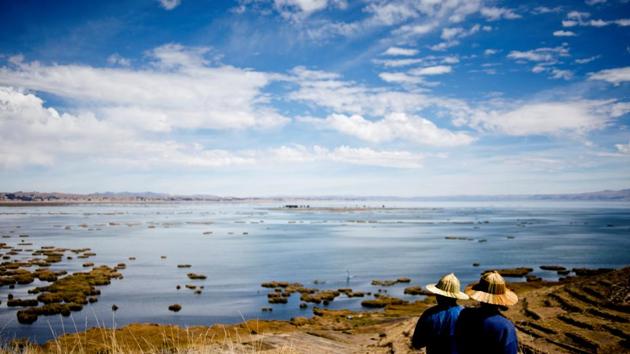
Oscar Limachi and his son-in-law walk on Pariti island, Lake Titicaca. Since fish in the lake have become scarce, the population has diminished to just a few families. The lake was once considered a deity by the pre-Columbian people that lived on its shores. As well as native plants and animals, such as the enormous endemic Titicaca water frog, it supports millions of human beings that live nearby – including in El Alto. (Manuel Seoane / REUTERS)
4/11
 View Photos in a new improved layout
Updated on Sept 9, 2019 3:47 PM
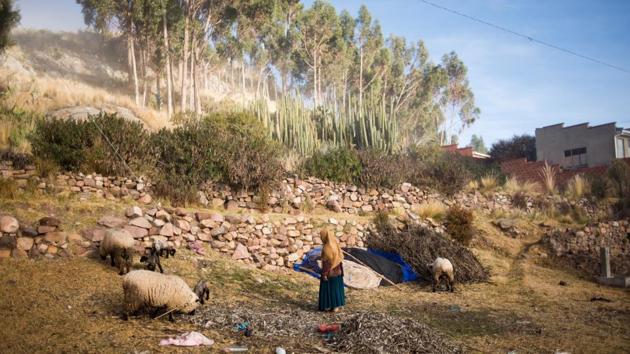
A woman feeds her cattle in Qewaya village, Lake Titicaca. Environmentalists are worried about the long-term impact to the lake, a popular destination for visitors to the region, who come to see its icy azure waters with their Andean mountain backdrop and traditional communities, some of whom live on man-made islands constructed entirely from reeds. (Manuel Seoane / REUTERS)
5/11
 View Photos in a new improved layout
Updated on Sept 9, 2019 3:47 PM
A skirt lies beside "chuno" - potatoes - that are laid out overnight to be freeze-dried, on the soccer field in Qewaya village. Potatoes are pressed and sun-dried to remove moisture. It is a traditional way of preserving and storing them for long periods. Once dried and with minimal care in storage, the potatoes can be eaten for years. The communities around the lake live off fishing, tourism and animal husbandry. (Manuel Seoane / REUTERS)
6/11
 View Photos in a new improved layout
Updated on Sept 9, 2019 3:47 PM
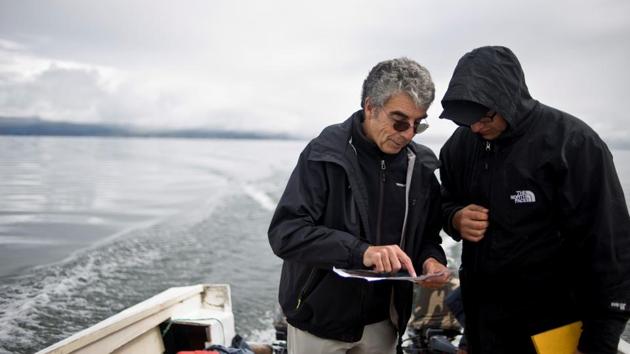
Professor Xavier Lazzaro, an aquatic systems specialist with French research institute IRD, shows a team member where samples will be taken as they head to a site in Cohana bay, Lago Menor, Bolivia. Lake Titicaca’s high-altitude environment is of major interest to climate change researchers because ecosystems of its kind are highly sensitive to global warming, making it an early-warning marker of broader changes happening. (Manuel Seoane / REUTERS)
7/11
 View Photos in a new improved layout
Updated on Sept 9, 2019 3:47 PM
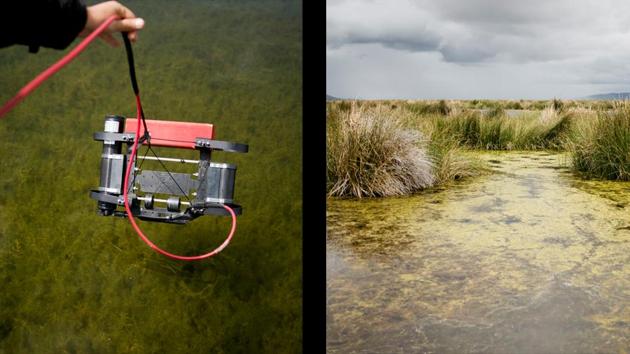
(L) A member of Professor Lazzaro’s research team takes samples during a field trip in Cohana bay and (R) Algae floats in shallow water in Cohana bay. Lazzaro said a shortage of water treatment plants, local industry, tourism and global warming are all affecting the lake, especially the smaller and shallower “Lago Menor.”
8/11
 View Photos in a new improved layout
Updated on Sept 9, 2019 3:47 PM
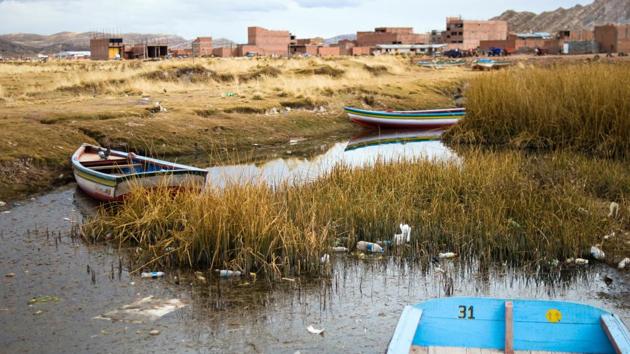
Rubbish floats on the shore where Lake Titicaca and Desaguadero river meet in Desaguadero village, Lago Menor. Lazzaro, who has been closely following pollutants in the lake for many years, is using a solar-powered buoy to do real-time measurements of water quality. He says there is not yet enough data to reliably illustrate the size of the problem. (Manuel Seoane / REUTERS)
9/11
 View Photos in a new improved layout
Updated on Sept 9, 2019 3:47 PM
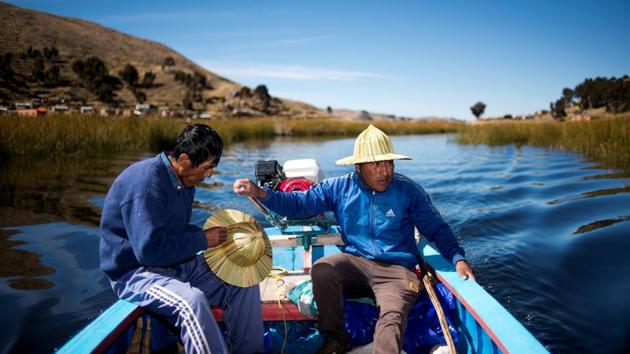
(L) Oscar Limachi gathers totora plant to use in art and crafts project to be sold at Pariti island museum and (R) Limachi makes a small boat of totora plant for sale. “This catastrophic scenario is not science fiction. Of course it will take decades, centuries to happen,” Lazazaro said, while driving through the high-altitude mountains overlooking the lake. “It will be faster if no action is taken.”
10/11
 View Photos in a new improved layout
Updated on Sept 9, 2019 3:47 PM
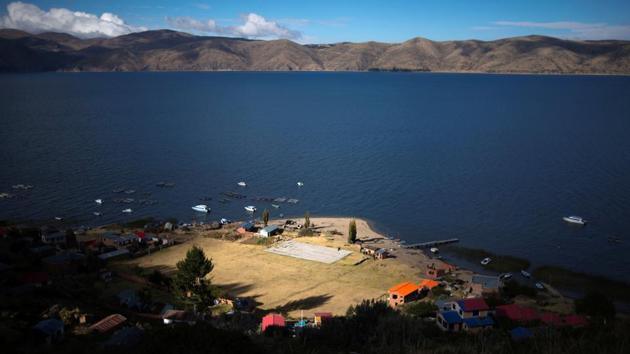
A view of the Koati community on Koati Island, the only Aymara community settled here and made up of 25 families with a total population not exceeding 100. Over time, a buildup of sediments, toxic blooms and climate change could cause the Lago Menor to eventually dry up, Lazazaro said. The local governments have taken steps to try and clean up the lake, though it’s a hard battle to win outright. (Manuel Seoane / REUTERS)
11/11
 View Photos in a new improved layout
Updated on Sept 9, 2019 3:47 PM


