
 E-Paper



Photos: Manila’s tinderbox slums an endless battle for firefighters
There have been over 2,200 fires in Manila this year and the majority of these have occurred in the Philippine capital’s slums. In a country with a yawning wealth gap, the hardest hit are urban poor who call shanties home. Fire safety standards and building codes are nonexistent. And the city’s fire fighters, the only front against blazes are often on 24-hour shifts, risking life each time they step into slum fires without proper equipment. But after each fire cools down, residents salvage burnt bits from their lives, and continue living hazardously.
Updated on: Jun 22, 2018 10:13 AM IST

Share via


Copy link

1/11
 View Photos in a new improved layout
Updated on Jun 22, 2018 10:13 AM
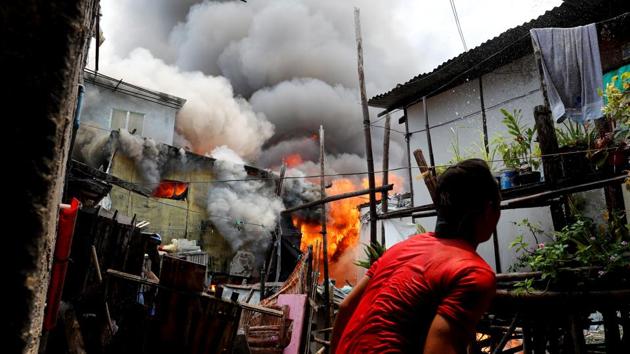
One scorching afternoon this month, inhabitants of a slum in the Philippine capital of Manila frantically hurled buckets of water to try to save their homes from a raging fire. Six hours later, their efforts proved to no avail. (Erik De Castro / REUTERS)
2/11
 View Photos in a new improved layout
Updated on Jun 22, 2018 10:13 AM
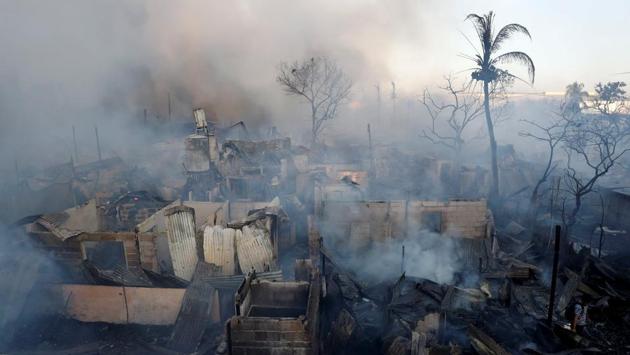
Destroyed houses are seen during a fire at a residential neighbourhood in Las Pinas, Metro Manila. There have been over 2,200 fires in Manila this year and the majority of these have occurred in slum areas, data from the Bureau of Fire Protection showed. (Erik De Castro / REUTERS)
3/11
 View Photos in a new improved layout
Updated on Jun 22, 2018 10:13 AM
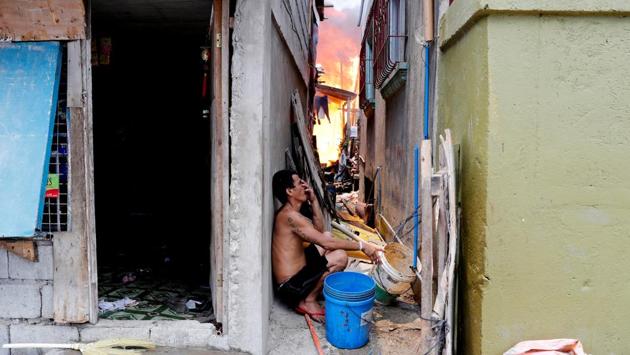
A man sits in a narrow alley as his house burns in Muntinlupa, Metro Manila. In a country with a yawning wealth gap, the hardest hit are the hundreds of thousands of urban poor who call the shanties home. (Erik De Castro / REUTERS)
4/11
 View Photos in a new improved layout
Updated on Jun 22, 2018 10:13 AM
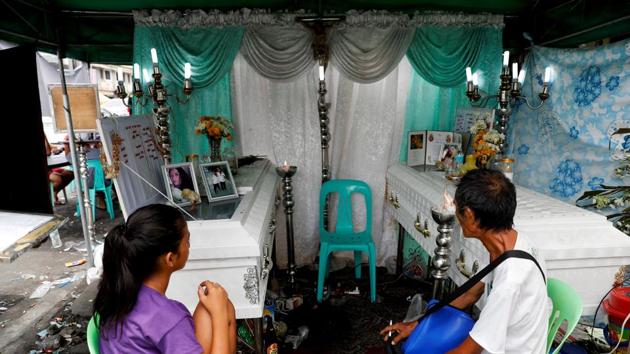
Marybeth Antier, 24, (not pictured) recalled with horror a recent fire that killed six members of her family. At their funeral, their bodies were squeezed into the two caskets she could afford. “I saw the building where we live already ablaze,” she said. “My child was inside but I could not enter anymore.” (Erik De Castro / REUTERS)
5/11
 View Photos in a new improved layout
Updated on Jun 22, 2018 10:13 AM
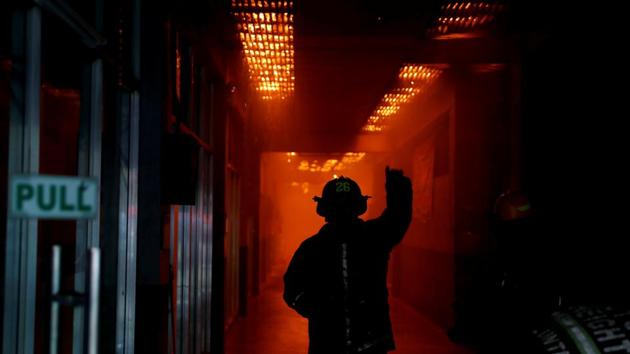
A fireman signals to fellow firefighters as a shopping centre burns at the University of the Philippines campus in Quezon City. Fire safety and building codes are unheard of. For the capital’s thousands of firefighters, the slums are sprawling, unregulated tinderboxes. (Erik De Castro / REUTERS)
6/11
 View Photos in a new improved layout
Updated on Jun 22, 2018 10:13 AM
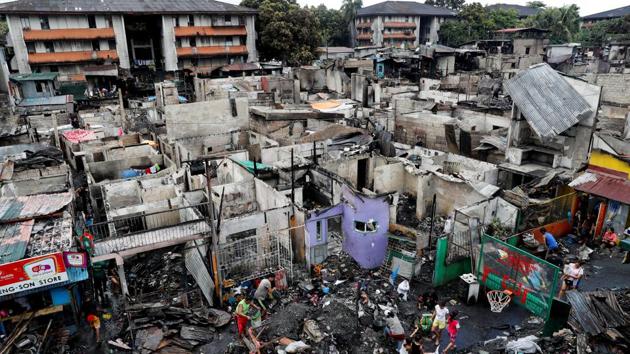
Fire victims collect recyclables after a fire in Quezon City. The Bureau of Fire Protection said the so-called informal settlers complicate efforts to save property and lives. Fire engines struggle to navigate along pathways littered with vehicles, food carts and stalls. (Erik De Castro / REUTERS)
7/11
 View Photos in a new improved layout
Updated on Jun 22, 2018 10:13 AM
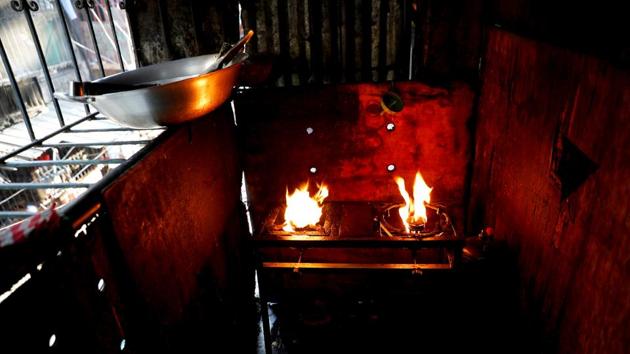
Flames are seen from an LPG stove in the kitchen of a resident at Vitas Tenement, a government housing building, in Tondo, Manila. Faulty electrical connections, often dangerously rigged and overloaded by residents, unattended stoves and carelessly tossed cigarettes are the main causes of the fires. (Erik De Castro / REUTERS)
8/11
 View Photos in a new improved layout
Updated on Jun 22, 2018 10:13 AM
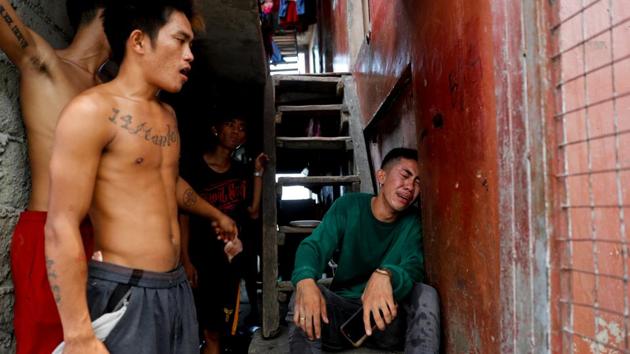
A man cries after his house was gutted in Muntinlupa, Metro Manila. Blazes quickly engulf shanty communities, said Pablo Sy, a pipe thread machine operator in Manila’s Santa Cruz district. “I was cooking and then we noticed the fire on our rooftop at the third floor. Everyone panicked,” he said, recalling the first fire he experienced. (Erik De Castro / REUTERS)
9/11
 View Photos in a new improved layout
Updated on Jun 22, 2018 10:13 AM
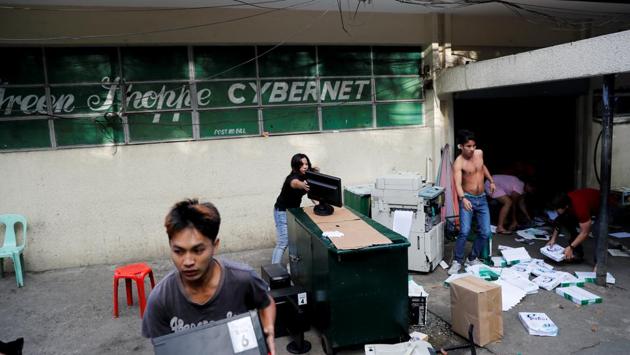
Shop workers bring out office equipment outside a shopping centre being gutted by a fire. Hours after a fire is put out, residents salvage whatever they can reuse and rebuild their homes - just as flammable as they were before. (Erik De Castro / REUTERS)
10/11
 View Photos in a new improved layout
Updated on Jun 22, 2018 10:13 AM
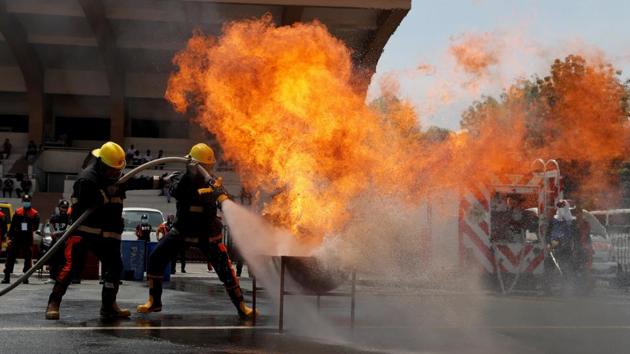
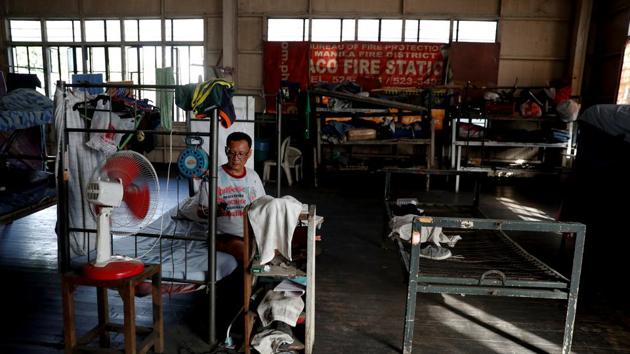
Firemen put out a fire as they compete during the annual Fire Olympics by firefighters nationwide in Manila. The city’s firefighters are on duty for 24-hour shifts. While they wait, they doze, work out, play sports or practise drills. (Erik De Castro / REUTERS)
11/11
 View Photos in a new improved layout
Updated on Jun 22, 2018 10:13 AM


