
 E-Paper



Photos: Mexican president’s refinery race loses sight of biodiversity
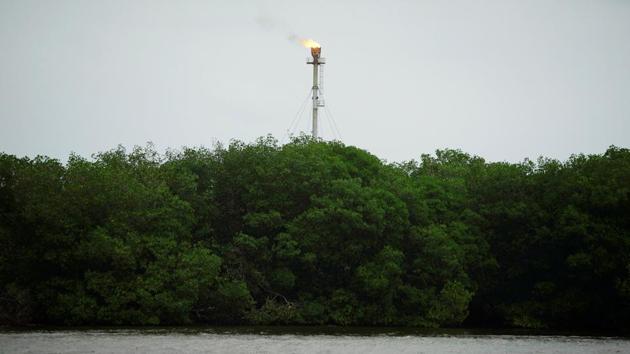
Mexican President Andres Manuel Lopez Obrador's race to build an oil refinery in record time on land that was until recently alive with mangrove, wild cats and boa constrictors, has run into trouble, complicating his effort to revive ailing state-oil company Pemex. The government has said it plans to tender for the construction of the $8 billion refinery in March and finish building it in three years. Oil industry environmental regulator ASEA in January ruled that the contractor that deforested the land did not have the correct permits to do so. ASEA says work on the refinery can only go ahead once a full environmental impact assessment is done and approved.
Updated on: Feb 25, 2019 12:39 PM IST

Share via


Copy link

1/11
 View Photos in a new improved layout
Updated on Feb 25, 2019 12:39 PM
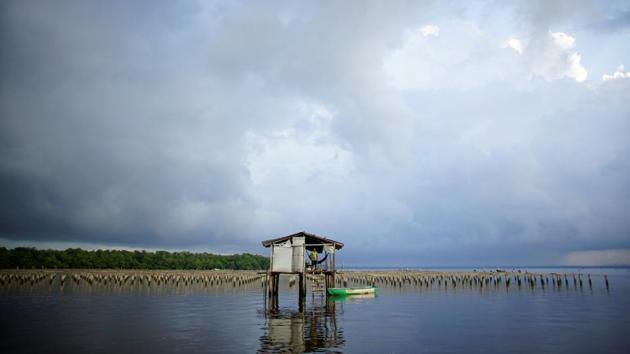
Fortunato Dominguez de la Cruz, 55, stands at a shelter where he guards an oyster farm at the Mecoacan lagoon near Paraiso, Mexico. Even before Mexican President Lopez Obrador took office last December, work had begun to cut down protected woodland on Pemex land on the coast of Tabasco state to make room for the new refinery next to the Dos Bocas port. (Alexandre Meneghini / REUTERS)
2/11
 View Photos in a new improved layout
Updated on Feb 25, 2019 12:39 PM
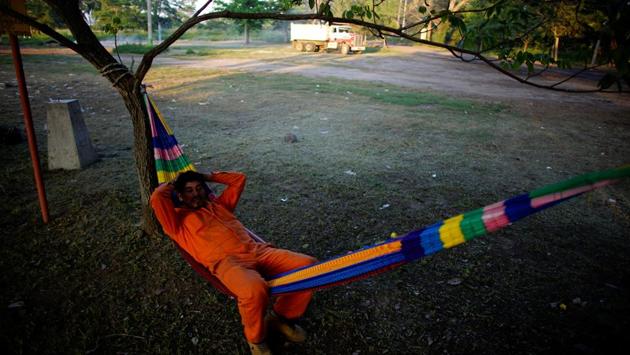
A Pemex worker rests in a hammock in an area in which the new oil refinery is planned to be built. Oil industry environmental regulator ASEA in January ruled that the contractor that deforested the land did not have the correct permits to do so. The body levied a fine of about $700,000. Work can only go ahead once a full environmental impact assessment is done and approved. (Alexandre Meneghini / REUTERS)
3/11
 View Photos in a new improved layout
Updated on Feb 25, 2019 12:39 PM
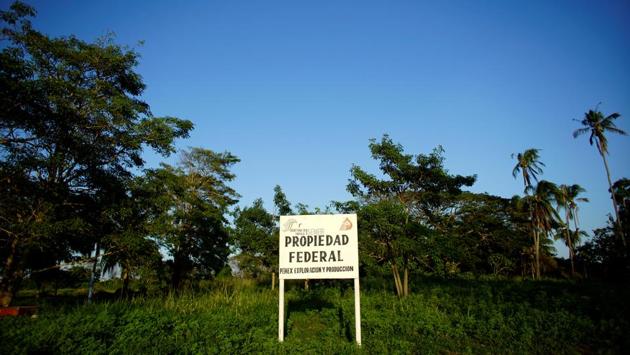
A sign that reads ‘Federal Property - Pemex Exploration and Production’ in Spanish. The clearances could delay the refinery project for months or even years, just as the government is trying to boost oil output by giving the state a bigger role in the industry, modernizing refineries and building the new one in Tabasco, Lopez Obrador’s home state. (Alexandre Meneghini / REUTERS)
4/11
 View Photos in a new improved layout
Updated on Feb 25, 2019 12:39 PM
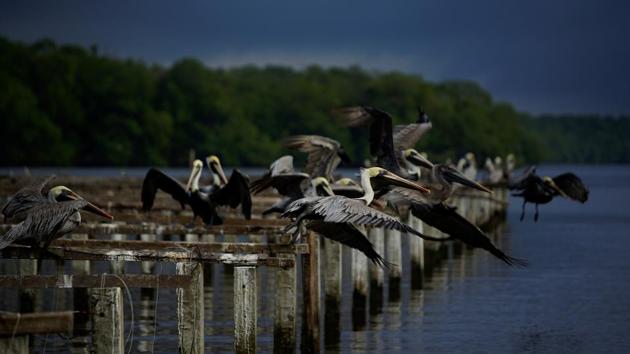
The land where the new refinery is planned was planted with coconut and citrus fruit in the 1970s, expropriated by Pemex but never used. Several types of plovers, herons and hawks, two species of iguanas and other reptiles, protected amphibians, threatened species of snakes and piping plovers were identified in Paraiso by Conabio, a government commission in charge of studying biodiversity. (Alexandre Meneghini / REUTERS)
5/11
 View Photos in a new improved layout
Updated on Feb 25, 2019 12:39 PM
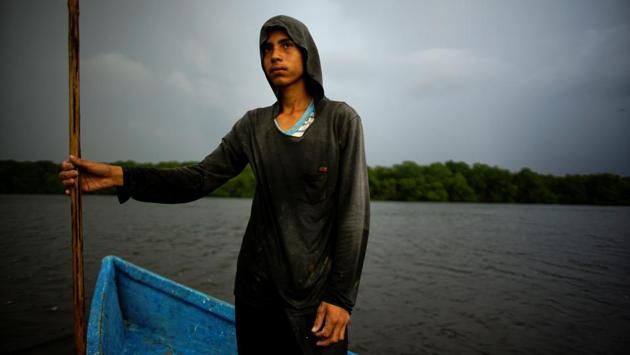
Fisherman Luis Angel Gimenez, 14, on his boat at the Mecoacan lagoon. The land was so rich in wildlife about a decade ago that a group of Pemex executives proposed it be declared a private nature reserve to prevent future building there, company sources said. A study by a government institute several years ago concluded Paraiso was a risky location for a refinery because of its biodiversity. (Alexandre Meneghini / REUTERS)
6/11
 View Photos in a new improved layout
Updated on Feb 25, 2019 12:39 PM
But satellite pictures taken in November and obtained from Conabio show a wide belt of mangrove across the terrain has now been cut down, leaving a smaller perimeter of forest. By the time Lopez Obrador (C) came to Dos Bocas to announce the new refinery in December, muddy ground and heavy works machinery had replaced the site’s thick tree cover. (Alexandre Meneghini / REUTERS)
7/11
 View Photos in a new improved layout
Updated on Feb 25, 2019 12:39 PM
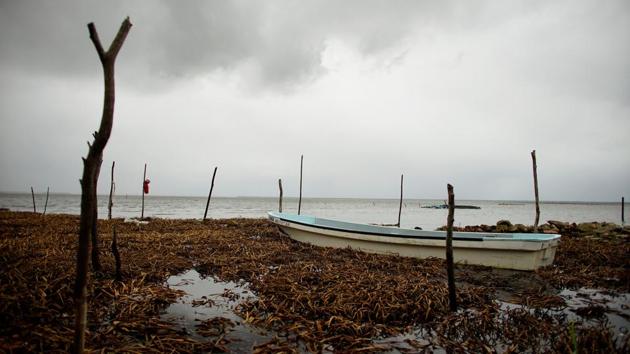
A boat is moored in Puerto Ceiba, Tabasco state, Mexico. After the land was cleared, four threatened or protected species were rescued, including a type of porcupine, a boa constrictor and a rare iguana. Reuters could not establish the fate of the other animals the agency detected at the site. (Alexandre Meneghini / REUTERS)
8/11
 View Photos in a new improved layout
Updated on Feb 25, 2019 12:39 PM
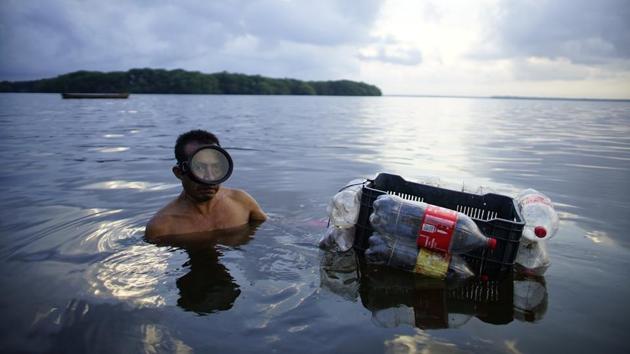
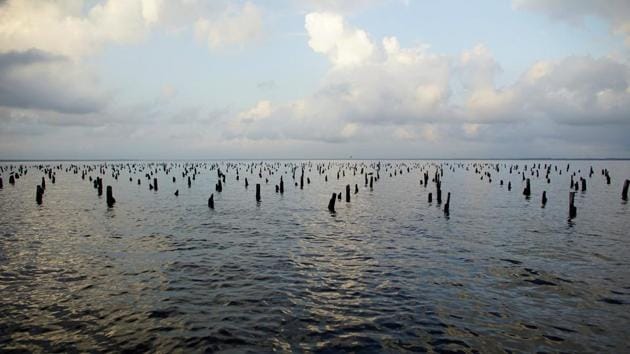
Fisherman Carlos Reyes catches oysters at a mangrove area at the Mecoacan lagoon. Paraiso’s oyster fishermen fear the refinery might harm the Mecoacan lagoon just a few miles from the refinery site, and their main source of subsistence for several generation. Lopez Obrador has not commented on ASEA’s January’s ruling about the clearing of the land. (Alexandre Meneghini / REUTERS)
9/11
 View Photos in a new improved layout
Updated on Feb 25, 2019 12:39 PM
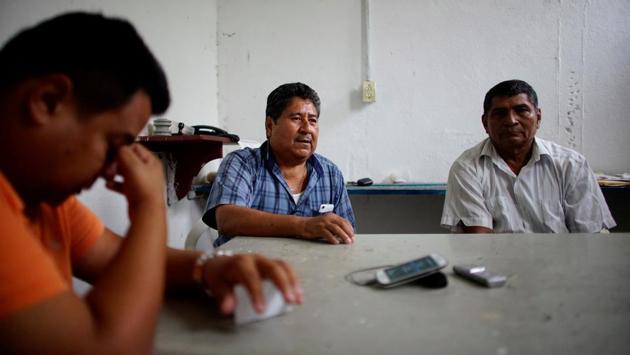
Fisherman Manuel de la Cruz (C) speaks during an interview. “What we want is for them not to damage the lagoon,” said de la Cruz, a leading local fisherman, who has worked the waterway since he was eight years old. He said he delivered a document to Lopez Obrador in December saying fishermen want more than just “crumbs” of government support. (Alexandre Meneghini / REUTERS)
10/11
 View Photos in a new improved layout
Updated on Feb 25, 2019 12:39 PM
In its ruling, the environmental regulator ordered the replanting of a larger mangrove area, whose location is yet to be determined, and the launching of a wildlife preservation program. Mexico’s energy minister, Rocio Nahle initially said the mangrove had not been touched at the Paraiso site. She said in November the municipal and state government had given permits to “clean” the terrain. (Alexandre Meneghini / REUTERS)
11/11
 View Photos in a new improved layout
Updated on Feb 25, 2019 12:39 PM


