
 E-Paper



Photos: NASA’s Operation IceBridge tracks Antarctic climate change
NASA's Operation IceBridge has been researching on the evolution of polar ice for the past eight years. Data and observations from the operation are being used to determine the state of the West Antarctic Ice Sheet --and whether it is in an unalterable state of decline, hastening the global rise of sea levels.
Updated on: Nov 10, 2017 11:10 AM IST

Share via


Copy link

1/11
 View Photos in a new improved layout
Updated on Nov 10, 2017 11:10 AM
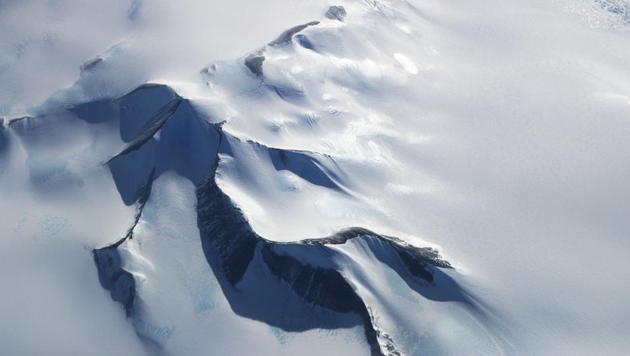
Mountain’s peek through land ice seen from NASA’s Operation IceBridge research aircraft in the Antarctic Peninsula region on October 31, 2017, above Antarctica. Operation IceBridge has been studying how polar ice has evolved over the past eight years and is currently flying a set of nine-hour research flights over West Antarctica to monitor ice loss aboard a retrofitted 1966 Lockheed P-3 aircraft. (Mario Tama / Getty Images / AFP)
2/11
 View Photos in a new improved layout
Updated on Nov 10, 2017 11:10 AM
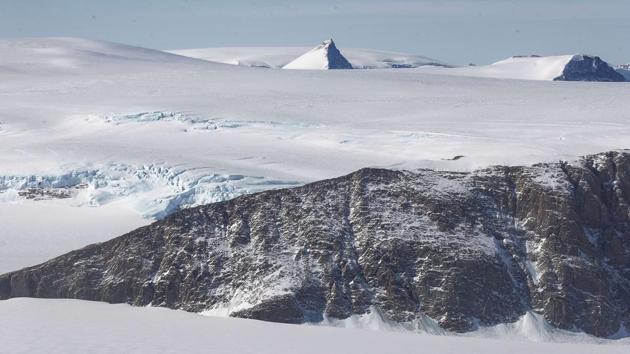
A nunatak (C), or mountain peak, is seen projecting through ice, near the coast of the Antarctic Peninsula region. According to NASA, the current mission targets ‘sea ice in the Bellingshausen and Weddell seas and glaciers in the Antarctic Peninsula and along the English and Bryan Coasts.’ (Mario Tama / Getty Images / AFP)
3/11
 View Photos in a new improved layout
Updated on Nov 10, 2017 11:10 AM
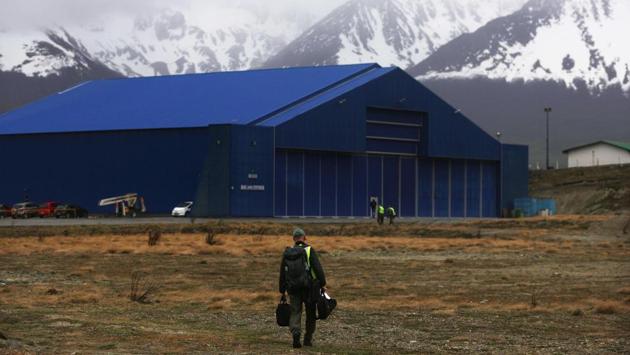
NASA’s Operation IceBridge project scientist John Sonntag walks to the hangar, following a long science flight, aboard NASA’s research aircraft in the Antarctic Peninsula region, on November 3, 2017. (Mario Tama / Getty Images / AFP)
4/11
 View Photos in a new improved layout
Updated on Nov 10, 2017 11:10 AM
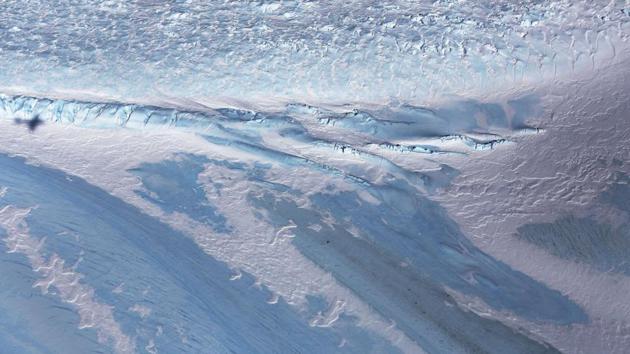
The shadow of NASA’s Operation IceBridge research aircraft (L) is seen cast over blue ice, in the Antarctic Peninsula region, on October 31, 2017. The aircraft houses sophisticated instruments for measuring snow depth, ice elevation and thickness, surface temperature, bed topography and other characteristics of sea ice, ice sheets and glaciers. (Mario Tama / Getty Images / AFP)
5/11
 View Photos in a new improved layout
Updated on Nov 10, 2017 11:10 AM
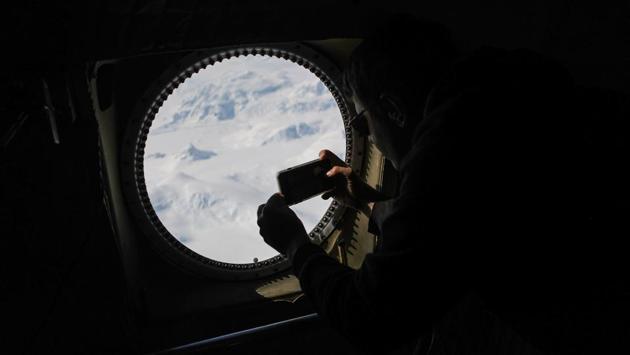
Operation IceBridge project scientist Nathan Kurtz takes photographs from high above in the Antarctic Peninsula region, on November 3, 2017. These flights will provide a yearly, multi-instrument look at the behaviour of the rapidly changing features of the Greenland and Antarctic ice. (Mario Tama / Getty Images / AFP)
6/11
 View Photos in a new improved layout
Updated on Nov 10, 2017 11:10 AM
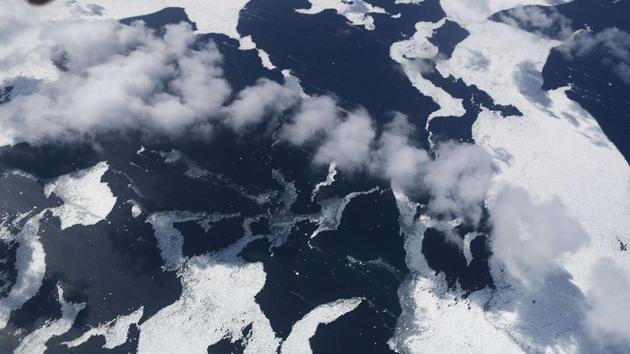
Sea ice is seen in the Antarctic Peninsula region above Antarctica. Operation IceBridge images Earth’s polar ice in unprecedented detail to better understand processes that connect the polar regions with the global climate system. (Mario Tama / Getty Images / AFP)
7/11
 View Photos in a new improved layout
Updated on Nov 10, 2017 11:10 AM
Icebergs and sea ice float near the coast of the Antarctic Peninsula region. Researchers have used IceBridge data to observe that the West Antarctic Ice Sheet may be in a state of irreversible decline directly contributing to rising sea levels. (Mario Tama / Getty Images / AFP)
8/11
 View Photos in a new improved layout
Updated on Nov 10, 2017 11:10 AM
A calving glacier (chunks of ice that break off glaciers and fall into water) is seen from a research aircraft in the Antarctic Peninsula region. (Mario Tama / Getty Images / AFP)
9/11
 View Photos in a new improved layout
Updated on Nov 10, 2017 11:10 AM
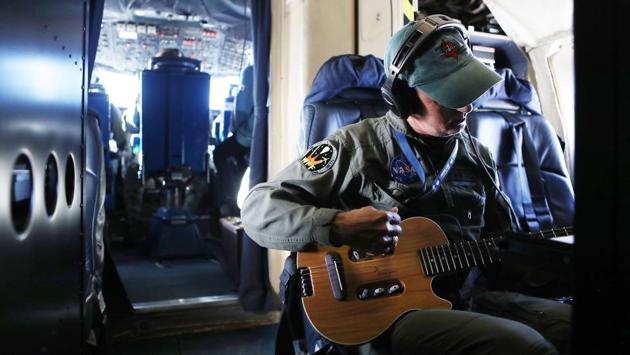
NASA’s Operation IceBridge mission scientist John Sonntag plays his guitar, following a long science flight, on November 3, 2017 above Antarctica. (Mario Tama / Getty Images / AFP)
10/11
 View Photos in a new improved layout
Updated on Nov 10, 2017 11:10 AM
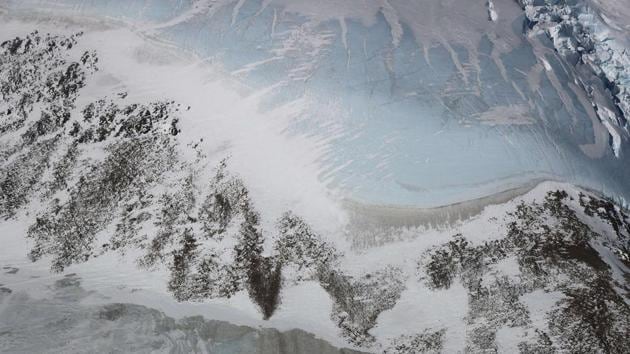
Blue ice (Top R) along a ridge is seen in the Antarctic Peninsula region. Operation IceBridge is the largest airborne survey of Earth’s polar ice ever flown. It will yield an unprecedented three-dimensional view of Arctic and Antarctic ice sheets, ice shelves and sea ice. (Mario Tama / Getty Images / AFP)
11/11
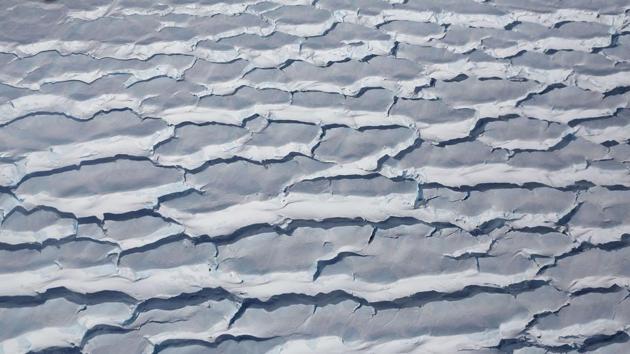 View Photos in a new improved layout
Updated on Nov 10, 2017 11:10 AM


